
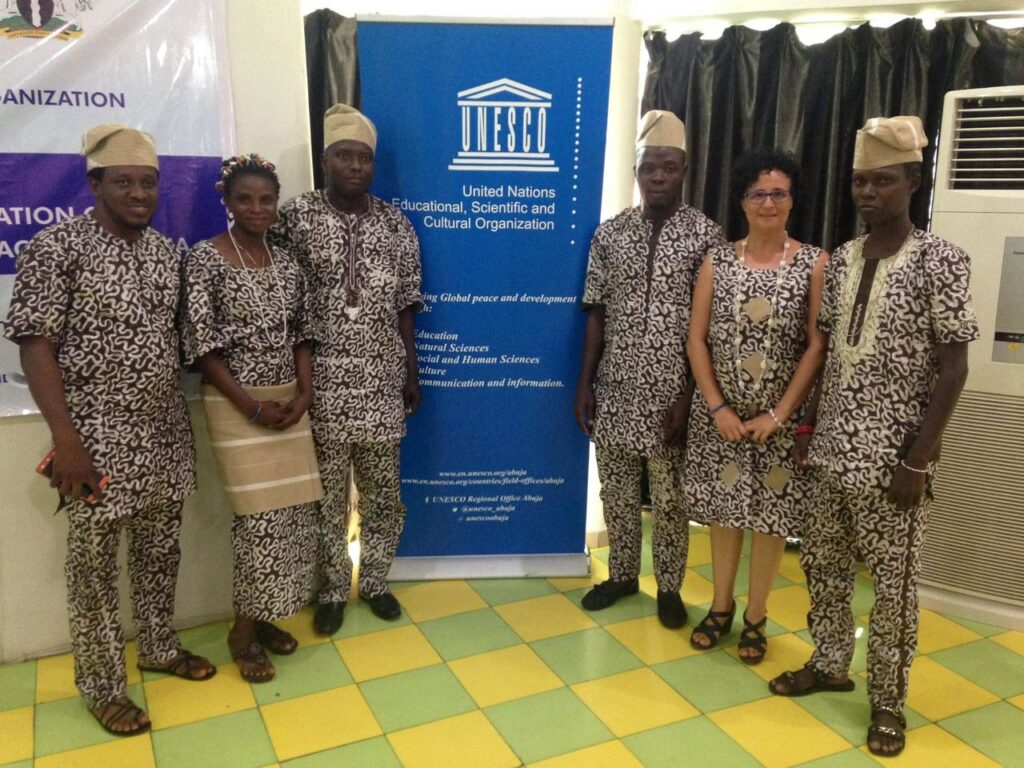
2021 UNESCO ORISA DIDA
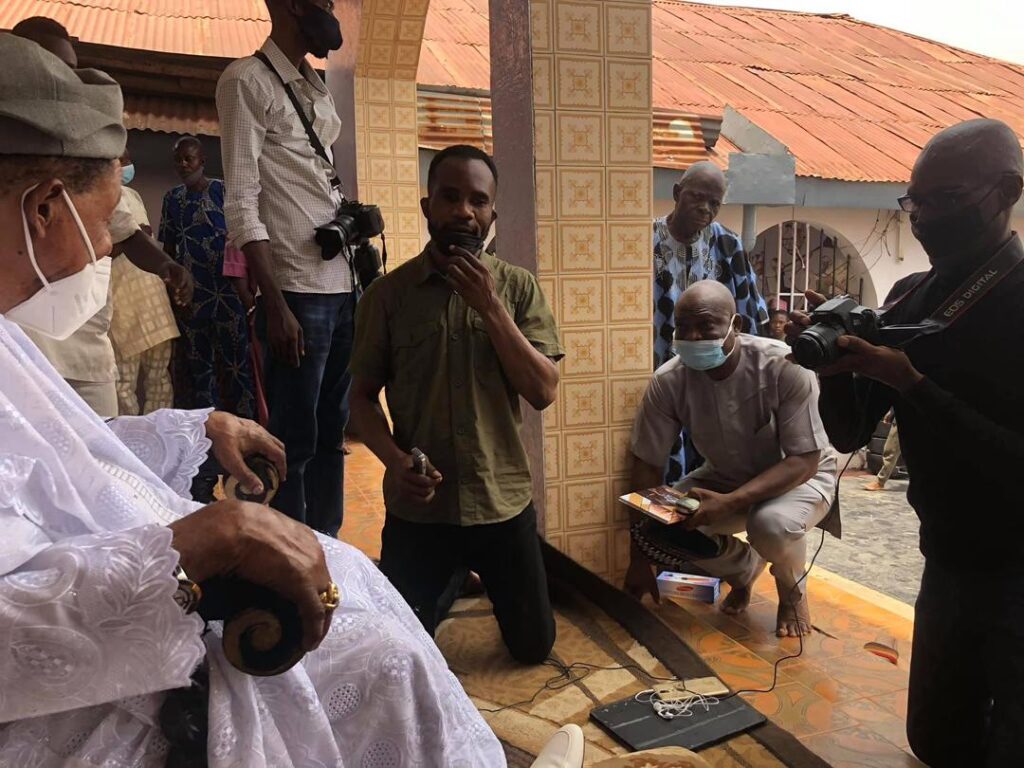
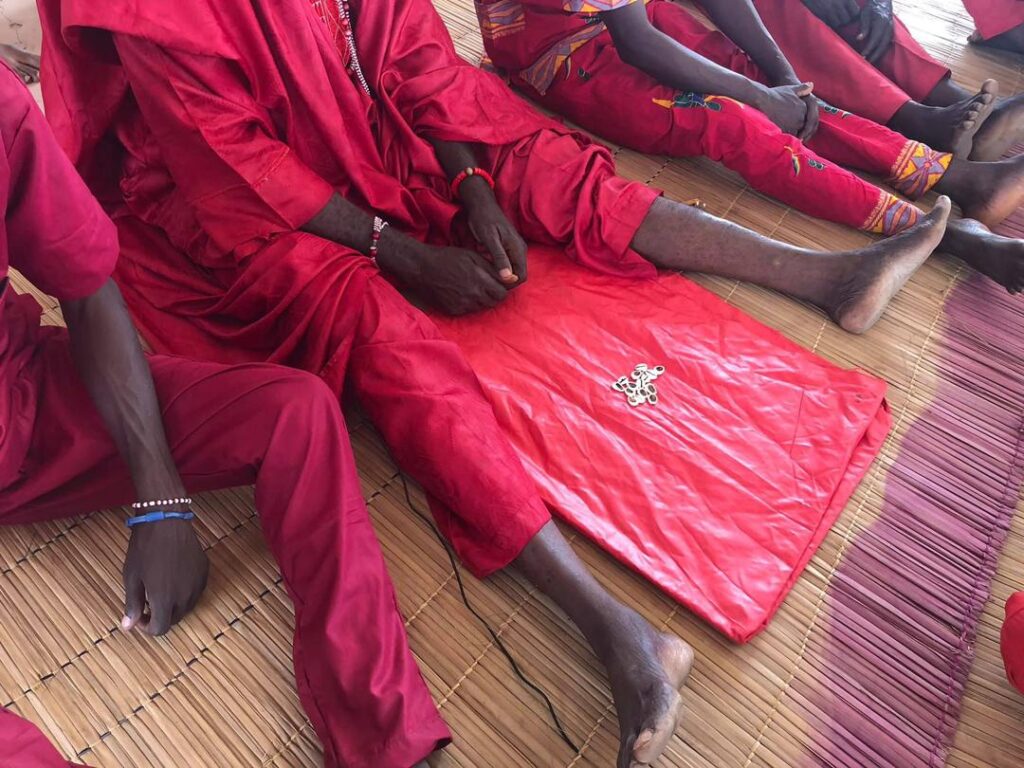
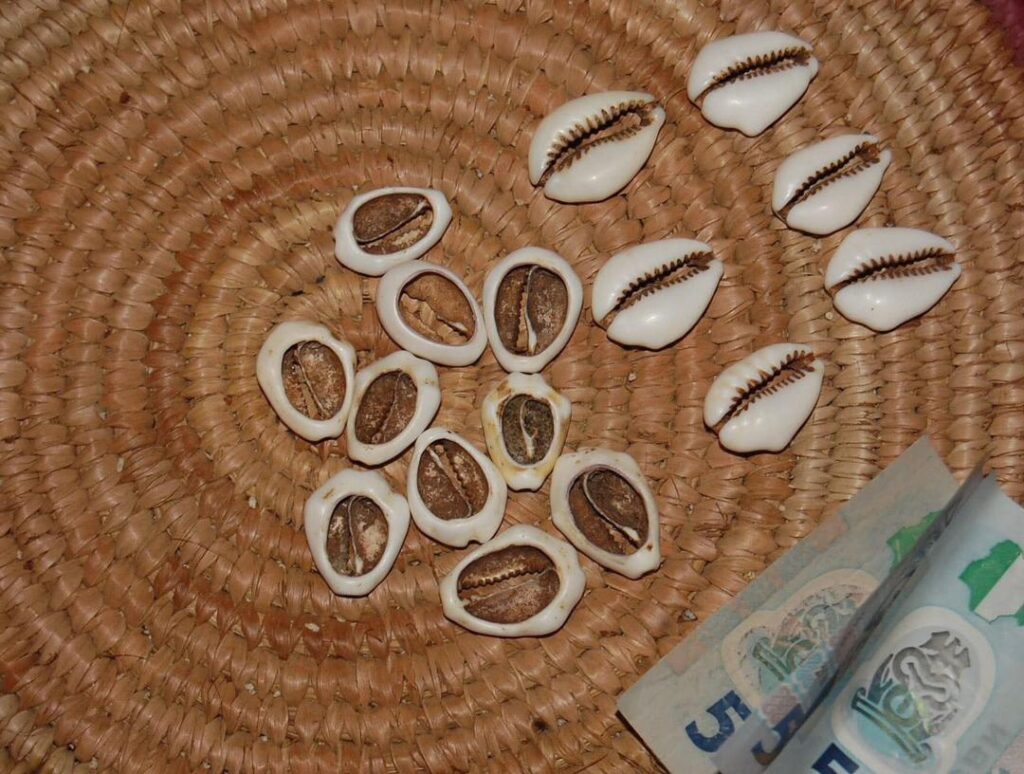
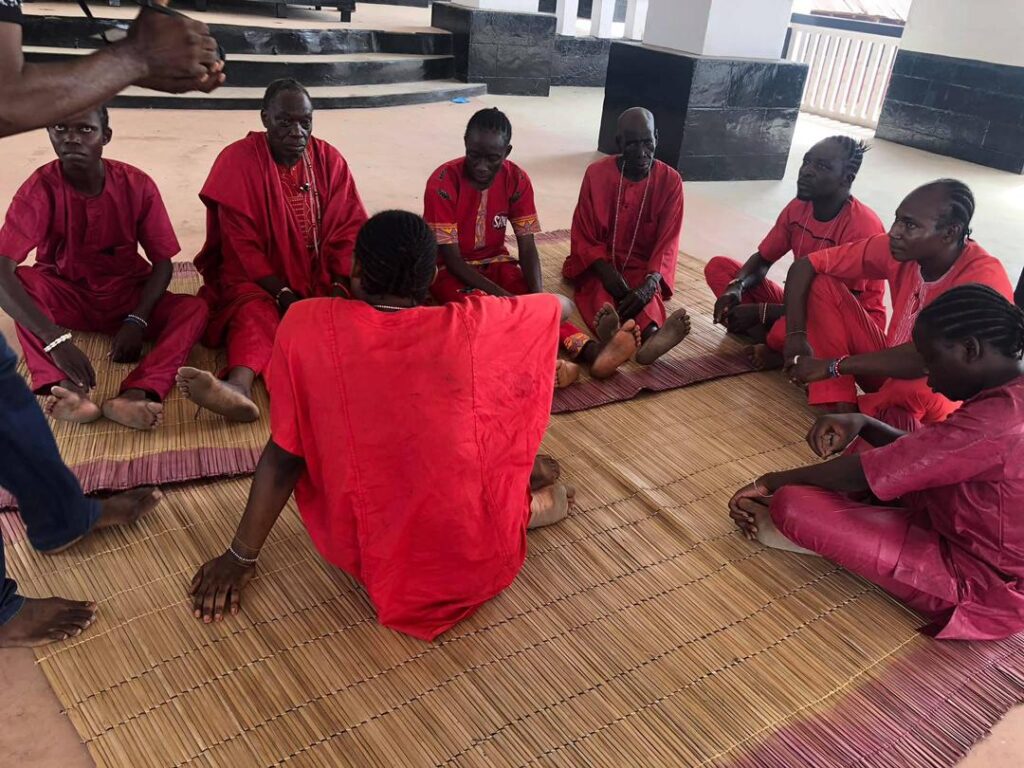
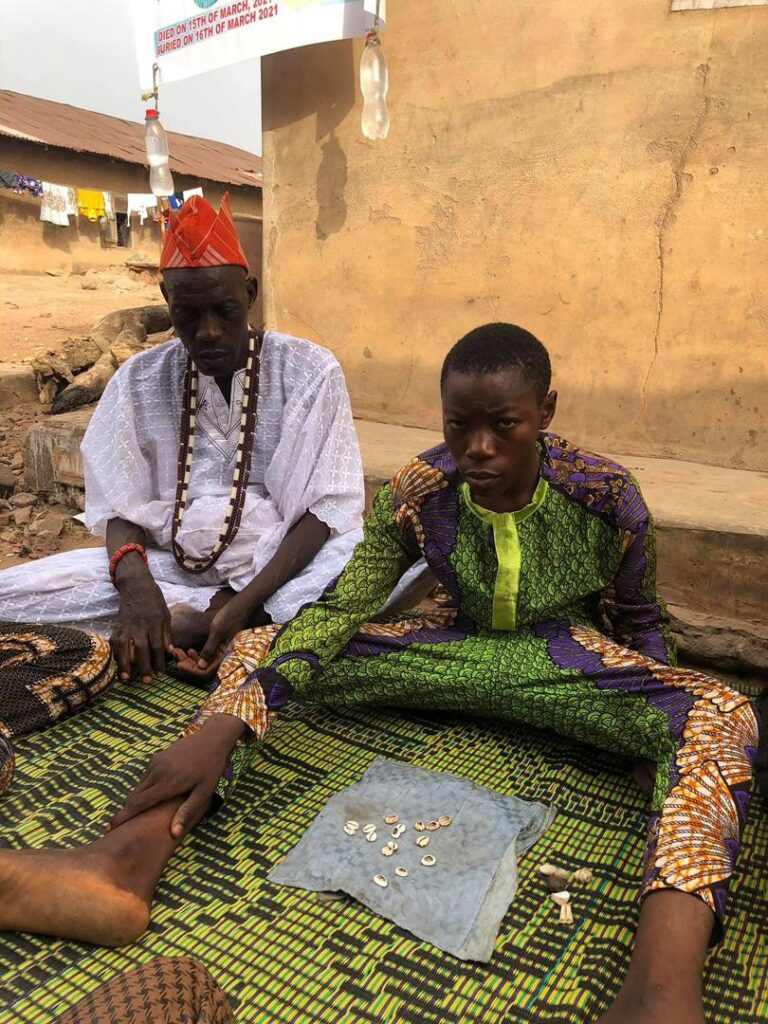
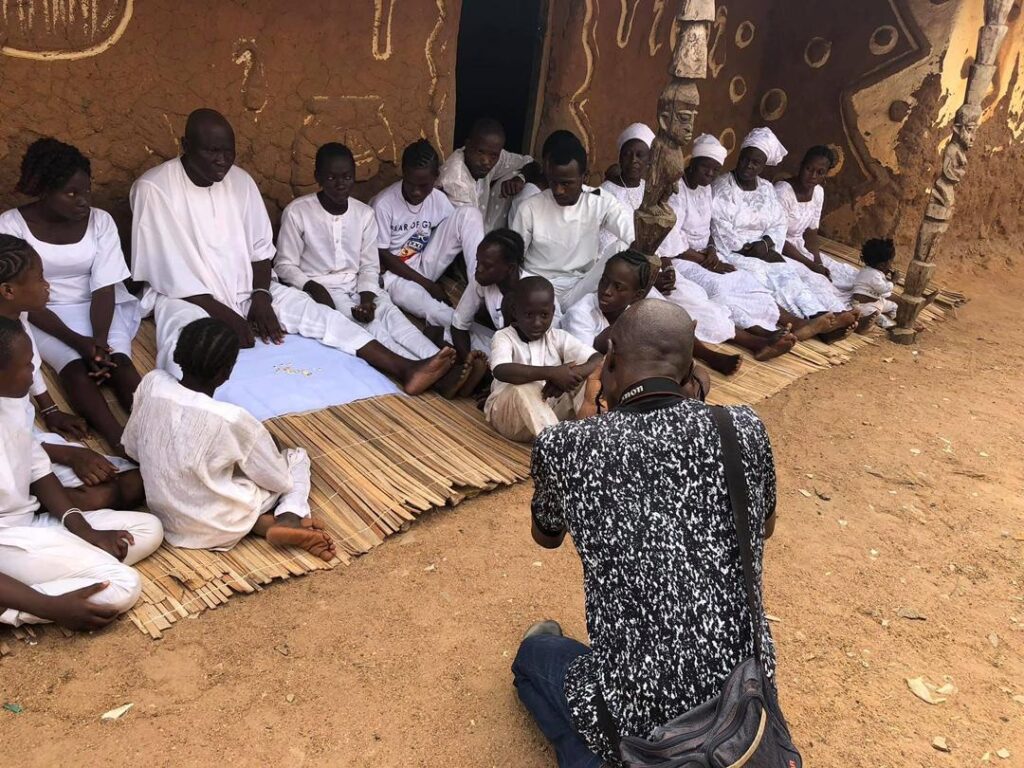
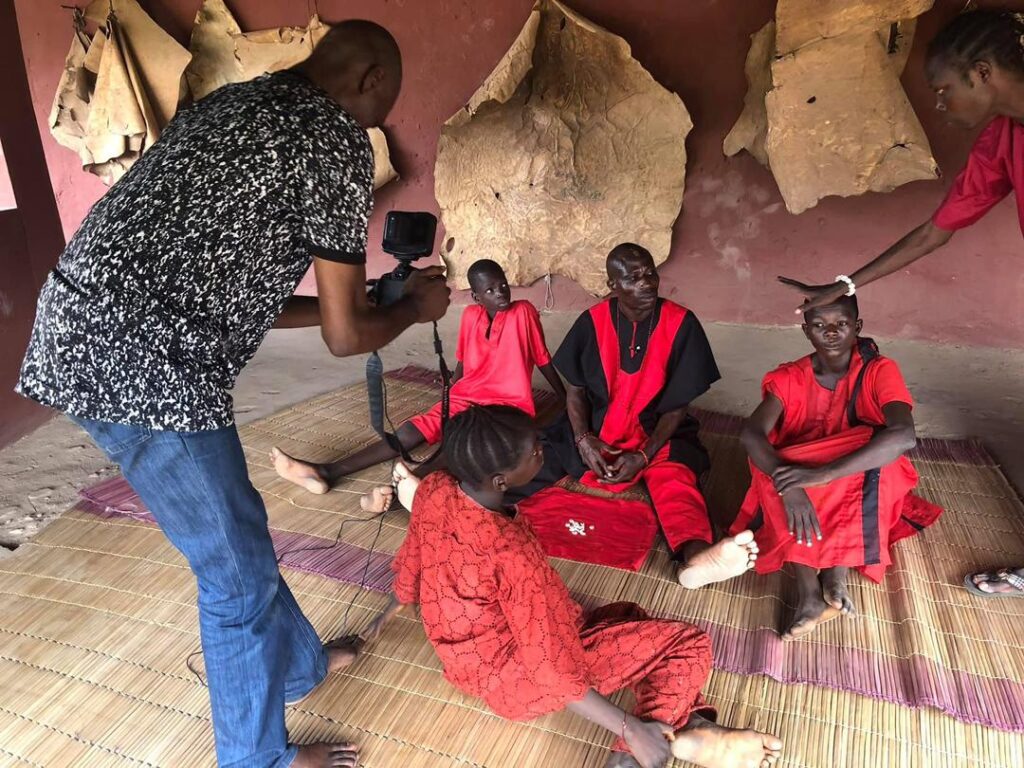
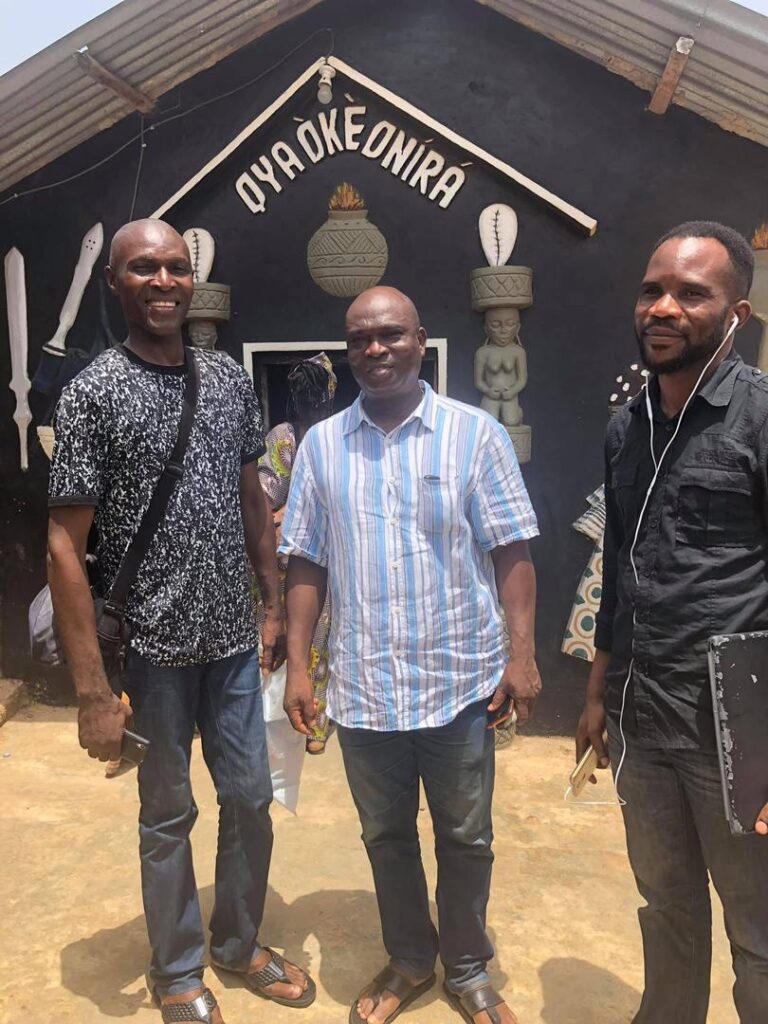
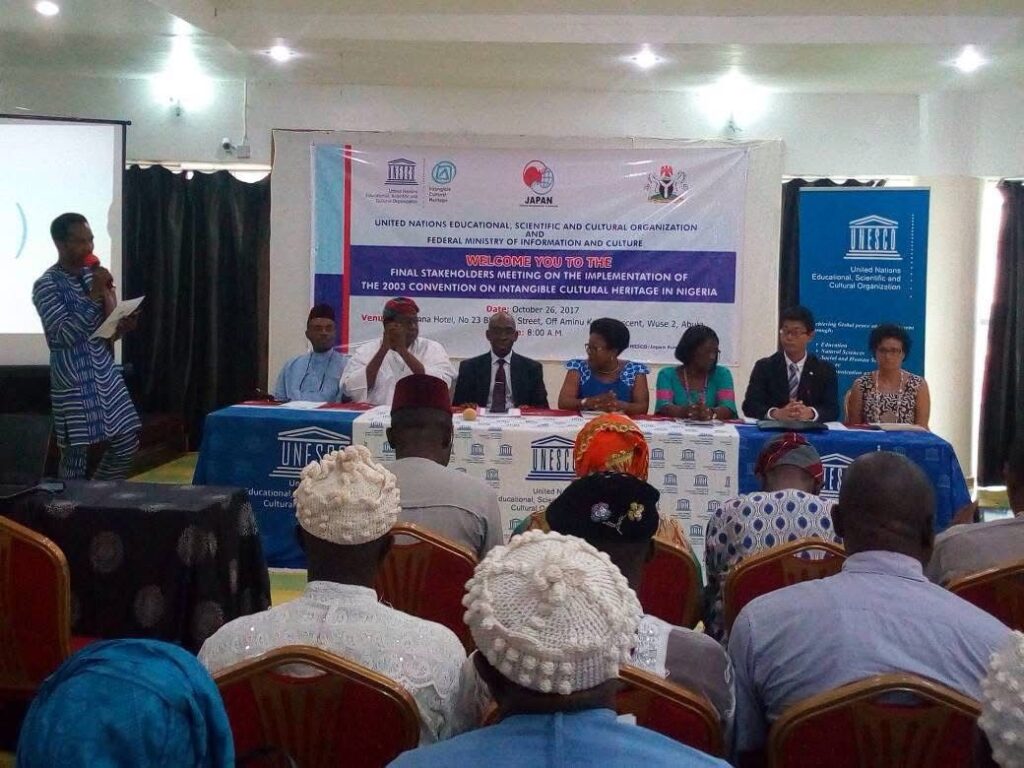
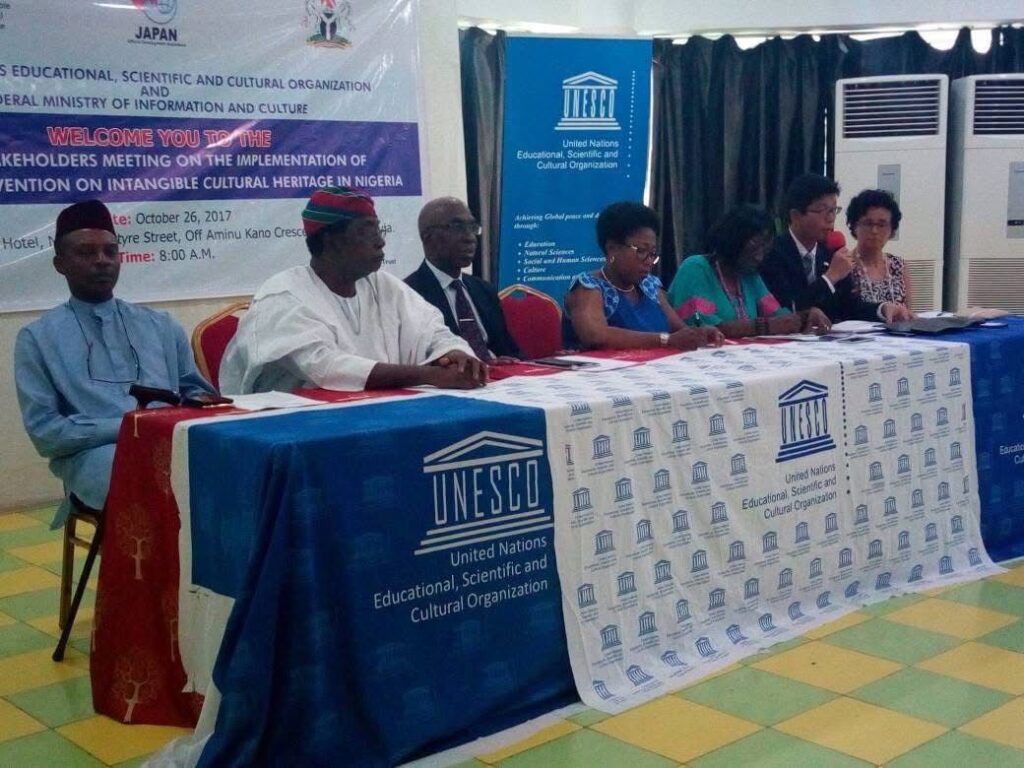
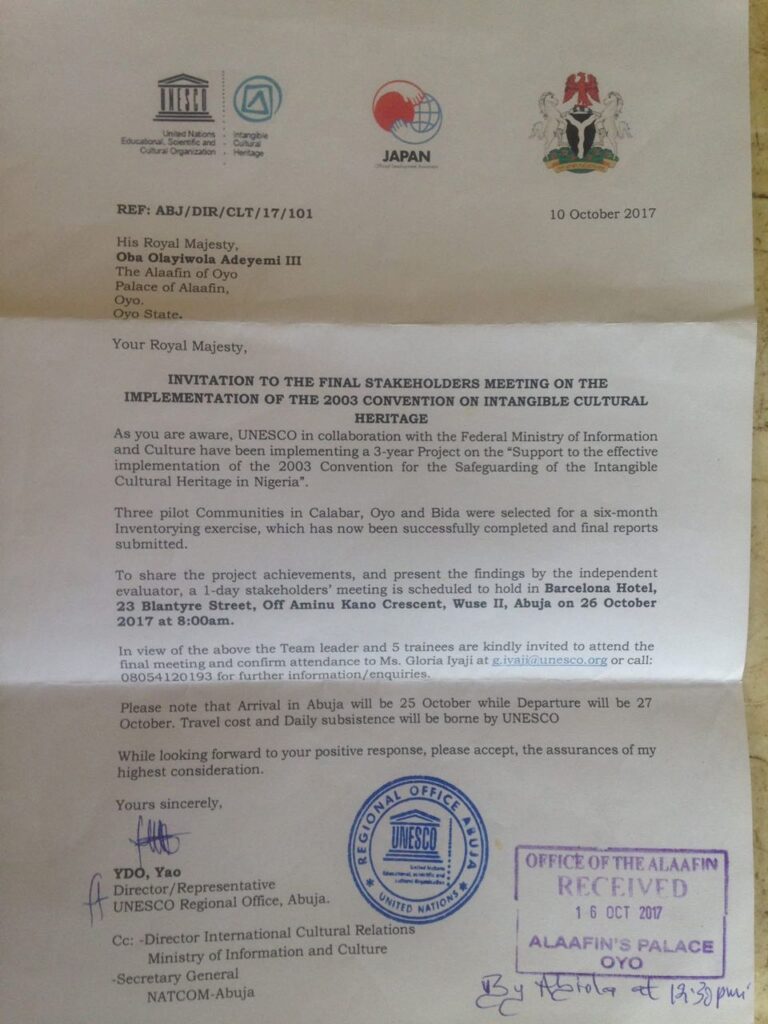
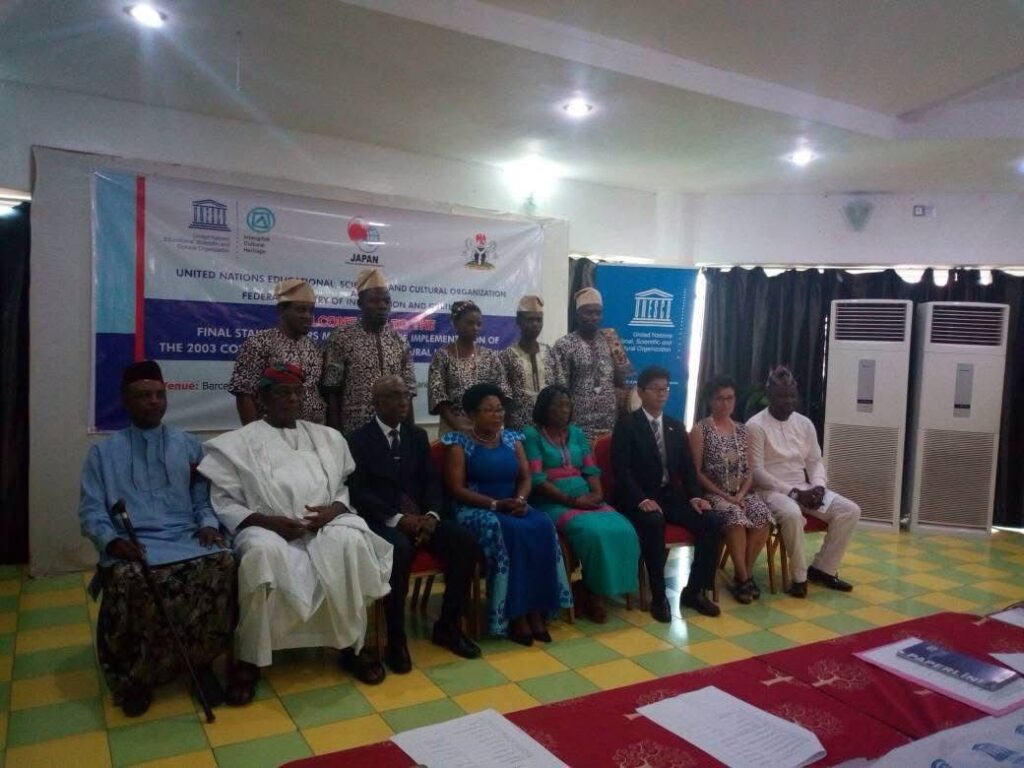
UNESCO leading team for workshop
The 2025 World Sango Festival is scheduled for August 7th to 16th in the ancient Oyo Town, Culture Ambassador of the festival, Dr Paula Gomes, in an interview with TheTabloid.net, offers an insight into what to expect. Excerpts
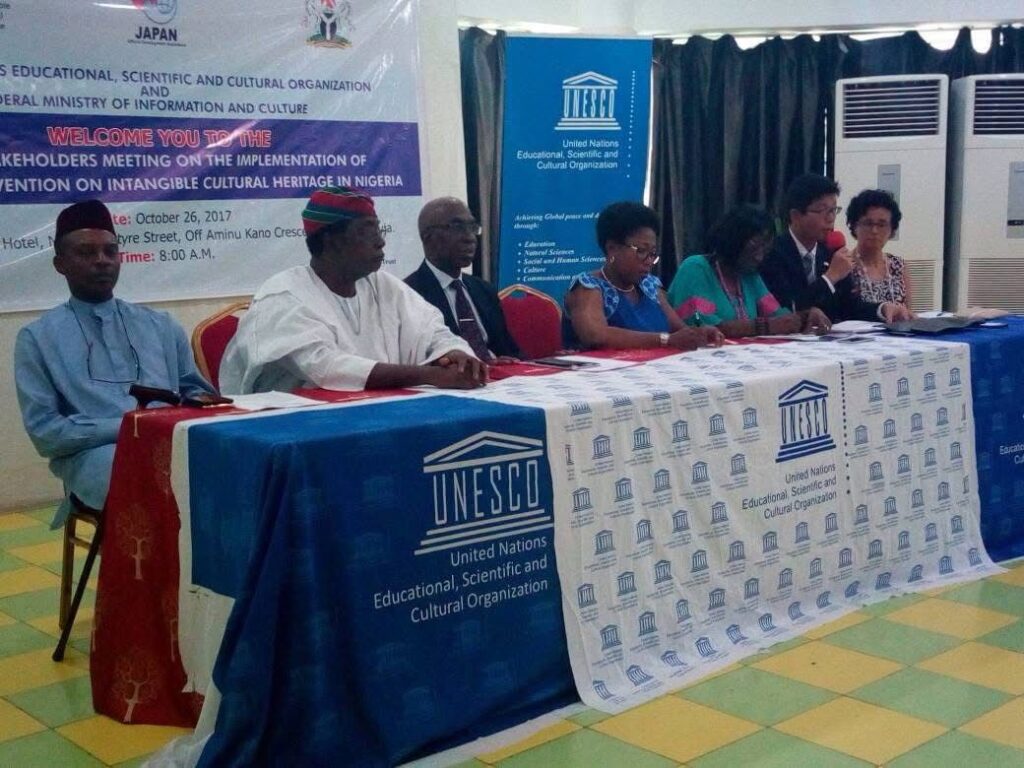
2014 She started to identify and restore the ancient Monuments and shrine in Oyo
Òyó remains the main reference of Yorùbá culture as it includes ancient monuments, groves and shrines of Òrìsà. Interestingly, Òrìsà devotion in Òyó is structurally connected to the culture, religion, social, economic and political life of the people. However, pressures of contemporary times as dictated by external influences pose a risk to the heritage.
The restoration project of the monuments in Òyó is to support the safeguarding of the cultural artifacts that constitutes both tangible and intangible heritage. It further highlights restoration of the ancient shrines through maintaining their ancient aesthetic in their natural habi
tat.
Shrines Restoration
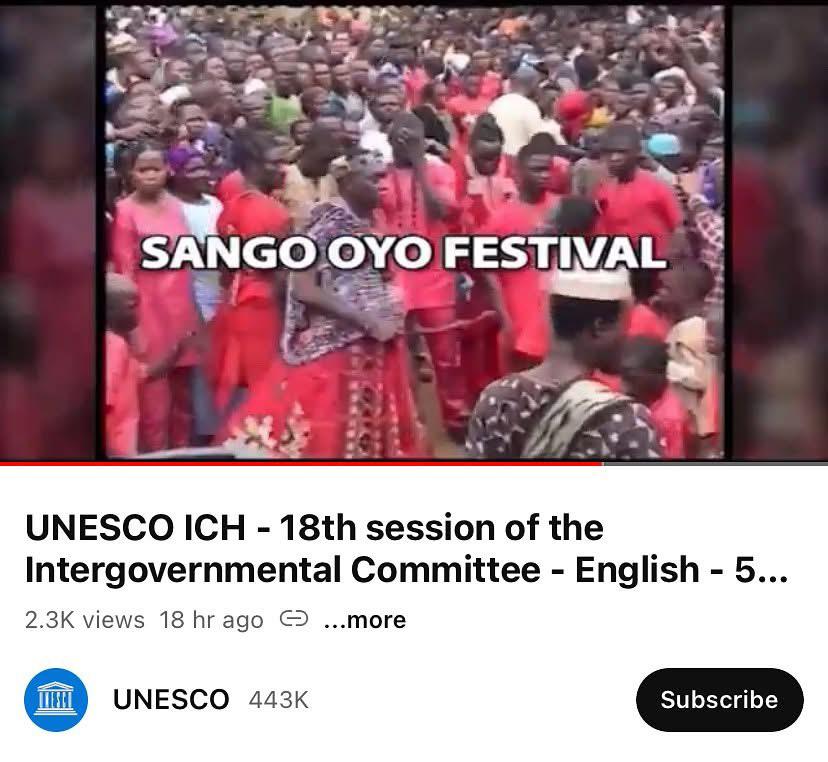
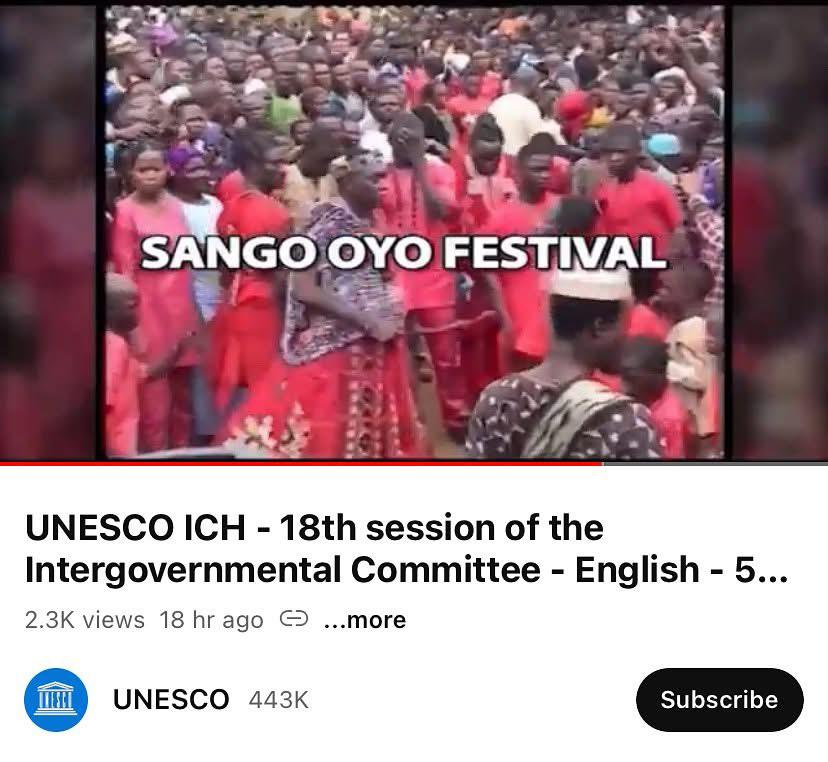
INSCRIPTION OF WORLD SANGO FESTIVAL BY UNESCO AS AN INTANGIBLE HERITAGE
Black Soap
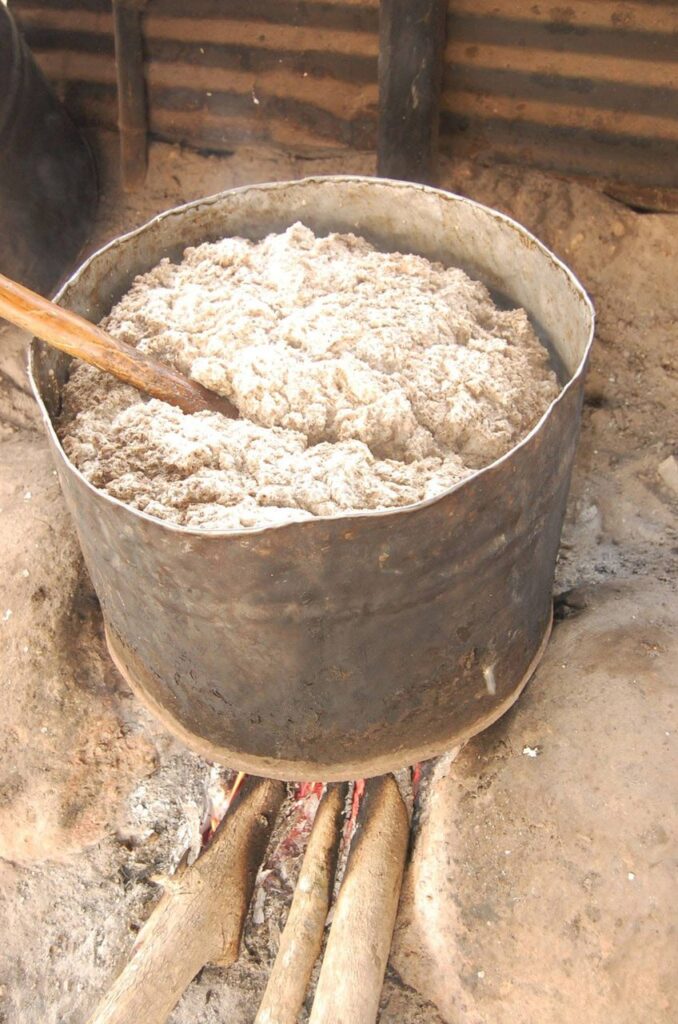
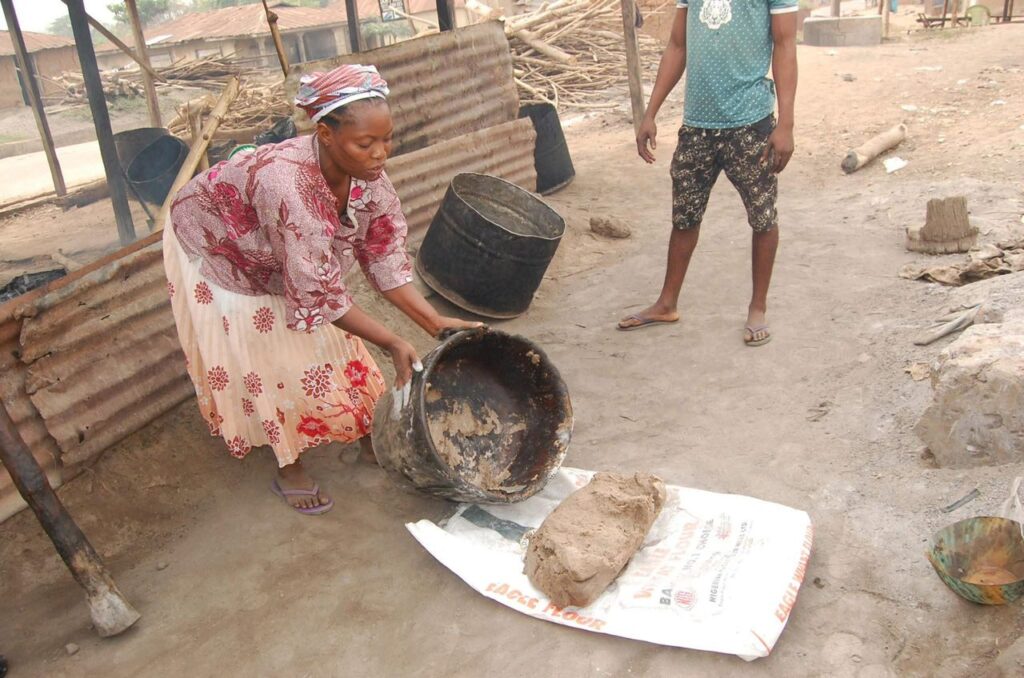
ỌSẸ DÚDÚ, ỌSẸÀBÙWÈ or ỌSẸ ÀWÈMÓSÍSE is known as Black soap, it is a black coloured natural soap made from Cocoa ashes (Érúkòkó) and black/white Palm kernel oil (Àdí Dúdú/funfun). The making of Ọsẹ Dúdú is a tradition and cultural practice as well as social practices associated with rituals and festive events. It is well known for the bathing of new born baby and the dead before burying. It serves as a medicine application for the children during child birth when added to other ingredients as one of Yoruba Traditional medicine practice. The practice was strictly for the female gender in the olden days but male and female are now in the practice. The cultural practice is spearheaded and generally practiced by Oyo community in Yoruba land of the Southwestern part of Nigeria, West Africa. About Ten (10) compounds are known to be practitioners of Ọsẹ Dúdú at Oyo, South West Nigeria.
Ọsẹ Dúdú making is practiced majorly in Yoruba land Southwestern Nigeria of West Africa. Other community practicing it erupted as a result of the influence of Oyo Empire in the old Western region of Nigeria. Other towns in the practice in Oyo community are Awe, Aada, along Fiditi, Ilora, all in southwestern Nigeria. Evidently, the practice of the profession is strictly by the Yoruba speaking people. The cultural practice is specifically prevalent in Oyo, southwestern Nigeria. The influence of the importance of Ọsẹ Dúdú making by Oyo people extended to some West African countries like Ghana, Benin and Togo etc.
The Ten (10) communities practicing in Oyo are Balogun, Afungonbo, Aigbedesola, Aja, Oniko, Oluigbo, Asalu, Aborisa, Olukosi, and Koko communities. These communities of Yoruba people of South Western Nigeria who traded pepper and tomatoes introduced Ọsẹ Dúdú to Benin, Togo and Ghana women. Yoruba women in Nigeria who introduced Ọsẹ Dúdú to other West African countries while trading pepper were called Alatas (Pepper traders).
Ọsẹ Dúdú from Yoruba land contains original formulation. It’s method of production is still the old processing method used in making original black soap.
Yoruba people especially women are still handcrafting Ọsẹ Dúdú in villages in the southwestern Nigeria of West Africa. All the originating communities of practitioners of the region are associated with the traditional rite of Ọsẹ Dúdú making called ‘’Ìyá Mòpó’’. The traditional rite of Ìyá Mòpó (mother of reproduction of Ọsẹ Dúdú– the one who knows the way to reproduction) is traditionally connected to the making of Ọsẹ Dúdú in their communities. This is because it enhances the reproduction and sustainability of the practice. In the process, they appease the ancestors and appeal for the peace and harmony within the practitioners and the community in general.
The making of Ọsẹ Dúdú has been from one generation to the other making its continuity meaningful for optimum usage. Before now, the making of Ọsẹ Dúdú was seasonal making it impossible to find the raw materials. This is because the practitioners have to be on three months journey or more looking for raw material (Cocoa ashes (Érúkòkó)- Cocoa pods burnt to ashes).
The two major essential raw materials used in the making of Ọsẹ Dúdú are Palm Kernel oil – Adi (White or Black) and Cocoa Ashes – Érúkòkó (dried cocoa pods burnt into ashes).
Palm tree ‘’Arecaceae’’ (Igi Òpe) is a very essential plant in Yoruba land and a major raw material in making Ọsẹ Dúdú. The white or black palm kernel oil (Àdí Dúdú /funfun) is being extracted from palm tree either through the process of grinding machine or on fire. The oil extracted from the palm kernel is called palm kernel oil (Àdí). Cocoa fruit (Theobroma cacao) is the raw material where the cocoa pods are being extracted to make cocoa ashes.
The process of burning Cocoa pods to ashes involves the removal of Cocoa beans from its pods, leaving the pod dry and then burn in a low flame until it turns ashes. That is, burning the dried Cocoa pods to ashes. Collect the ashes and place/pour in a finger sized punctured base of a clay pot. Add water to mix and filter the mixture. The result of the filtered mixture is Lye (Aró).The process of making Ọsẹ Dúdú needs concentration. There is only one and same way of making the original Ọsẹ Dúdú since the time immemorial.
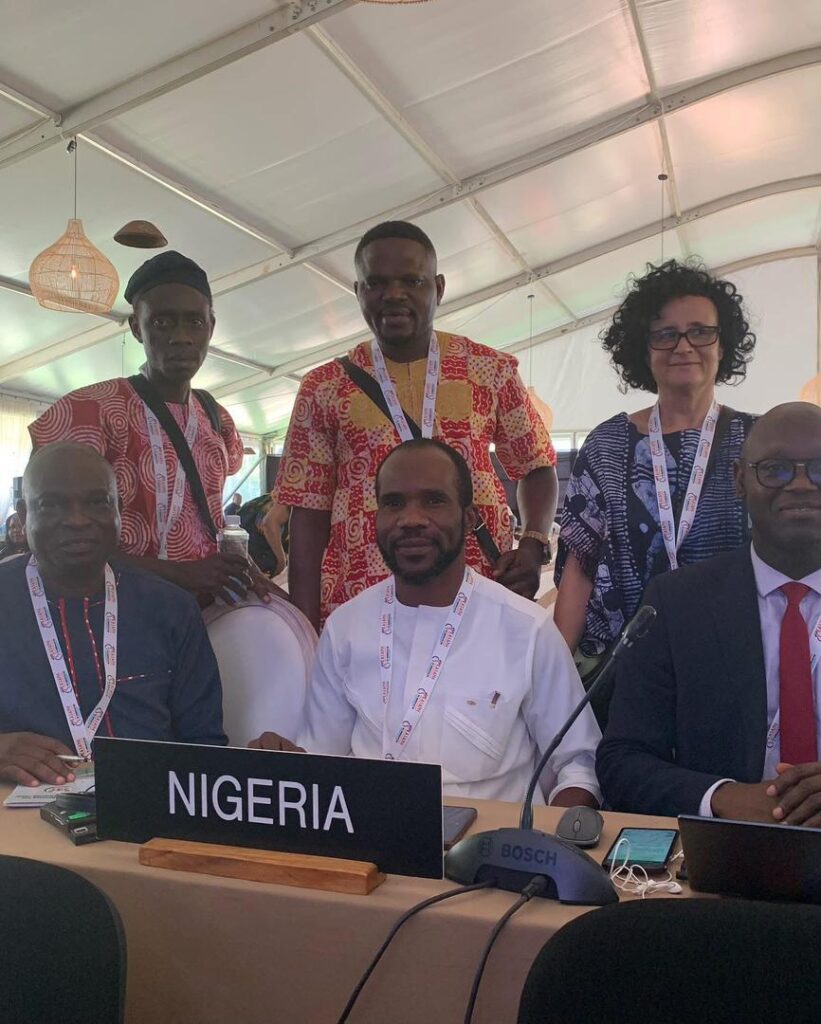
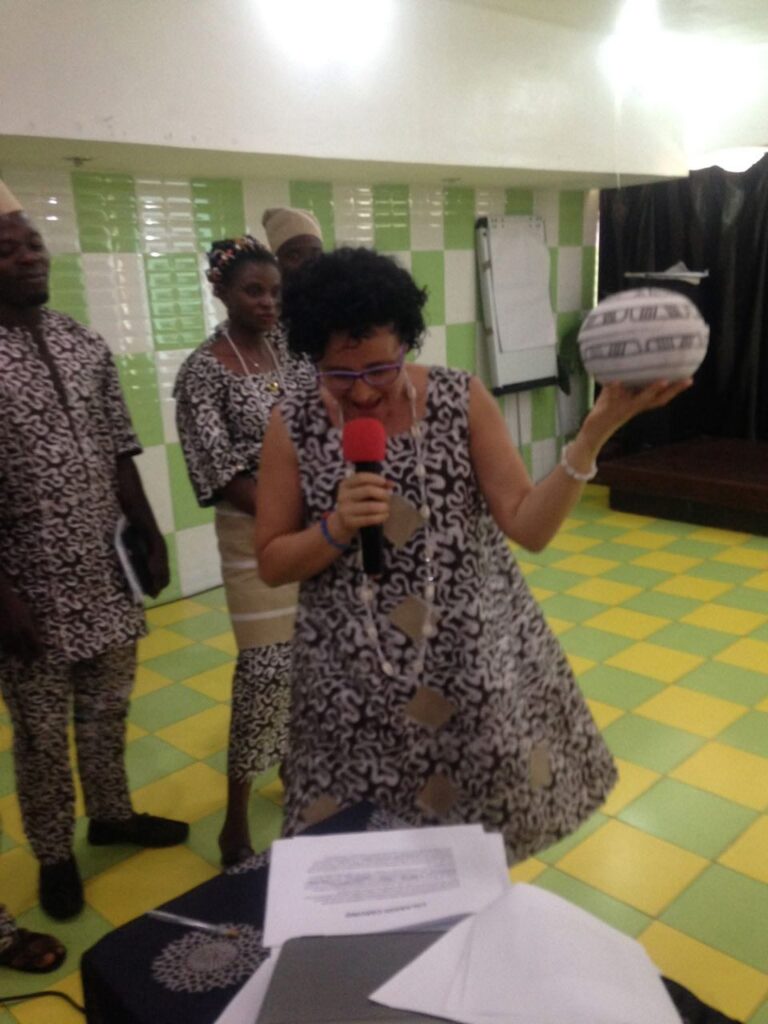
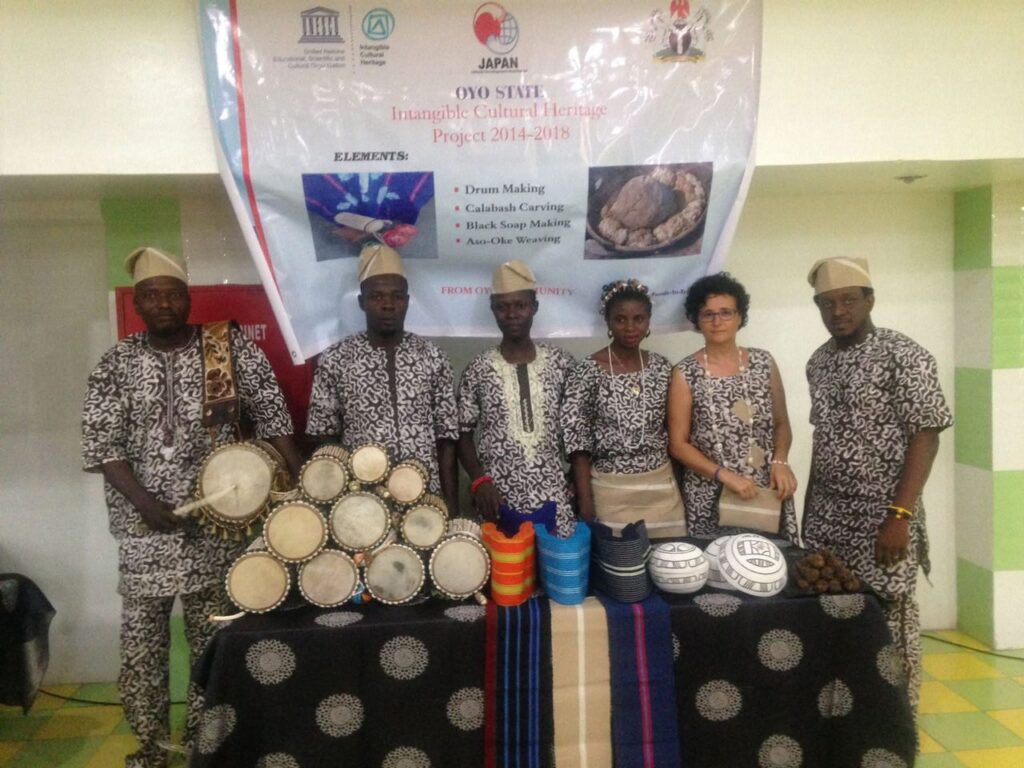
2023 UNESCO WORKSHOP
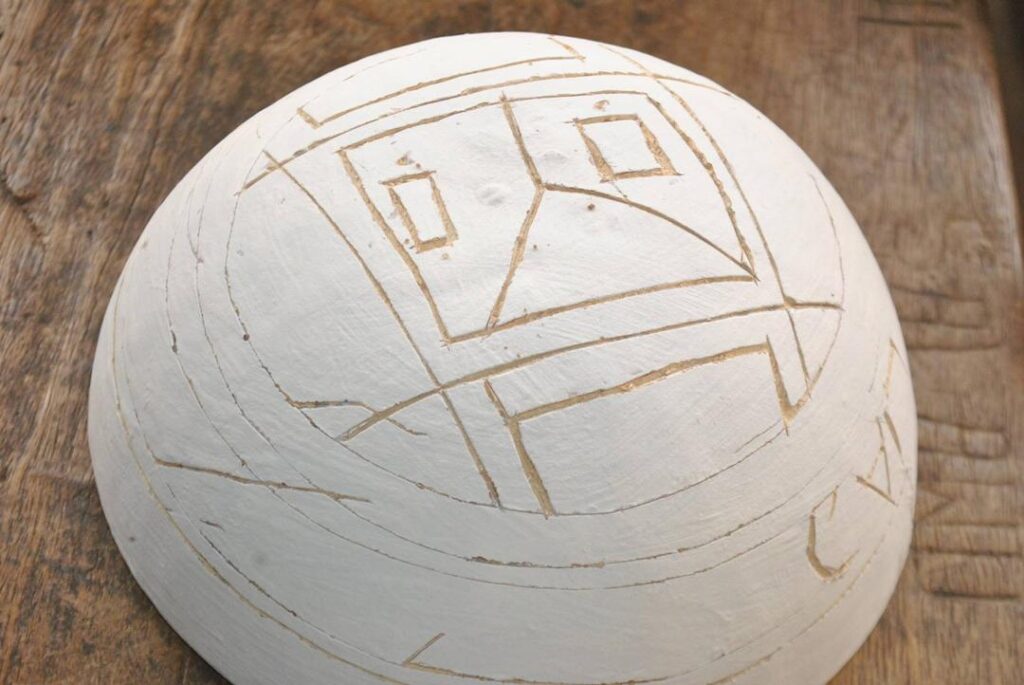
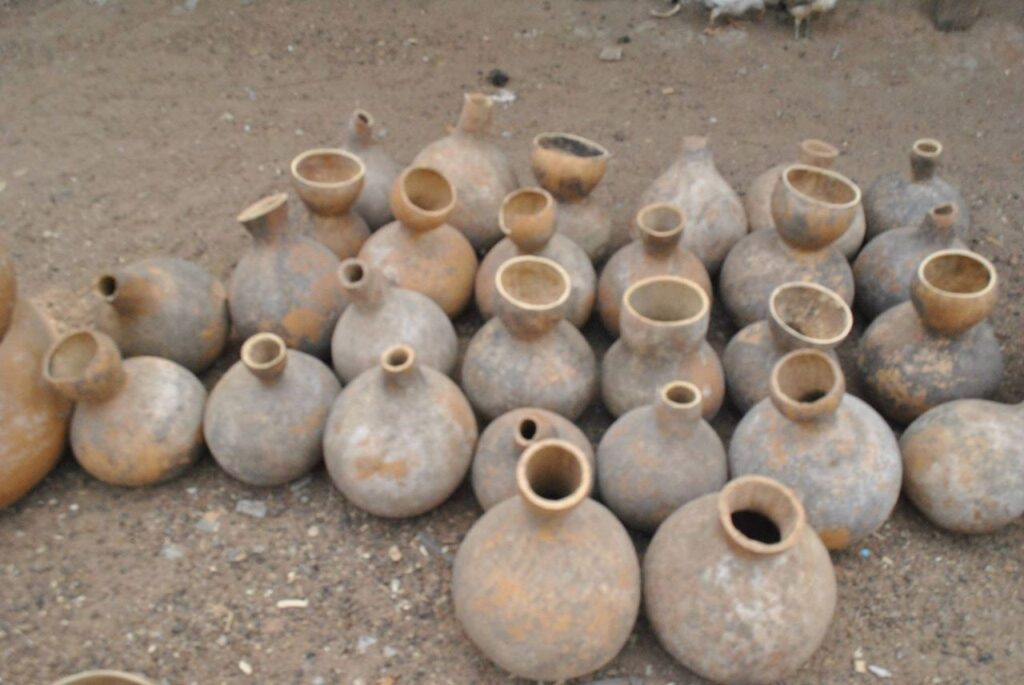
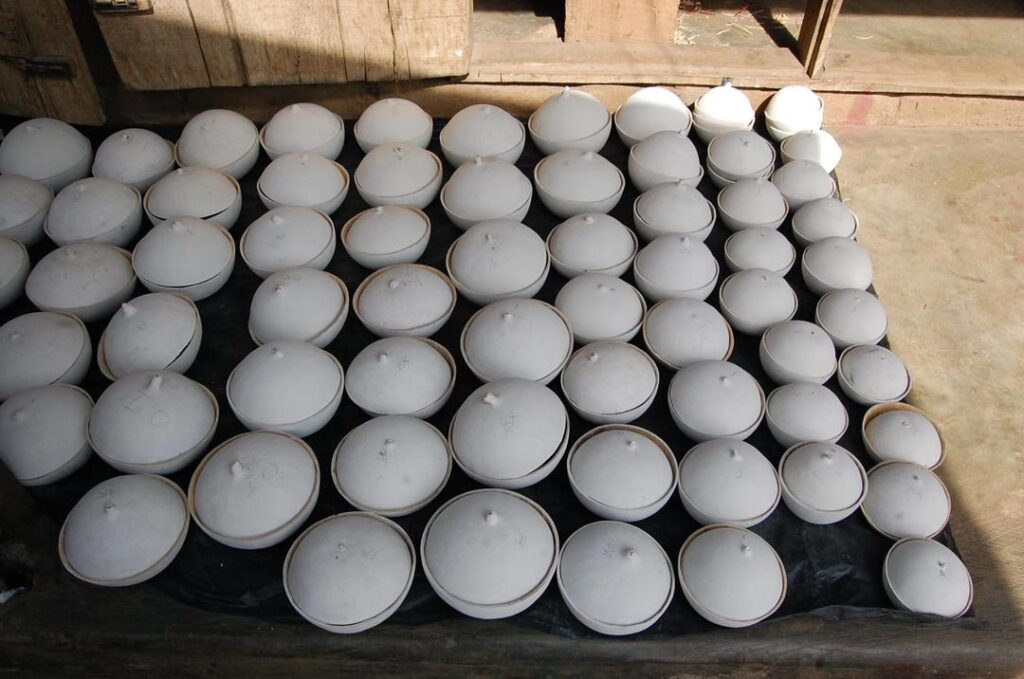
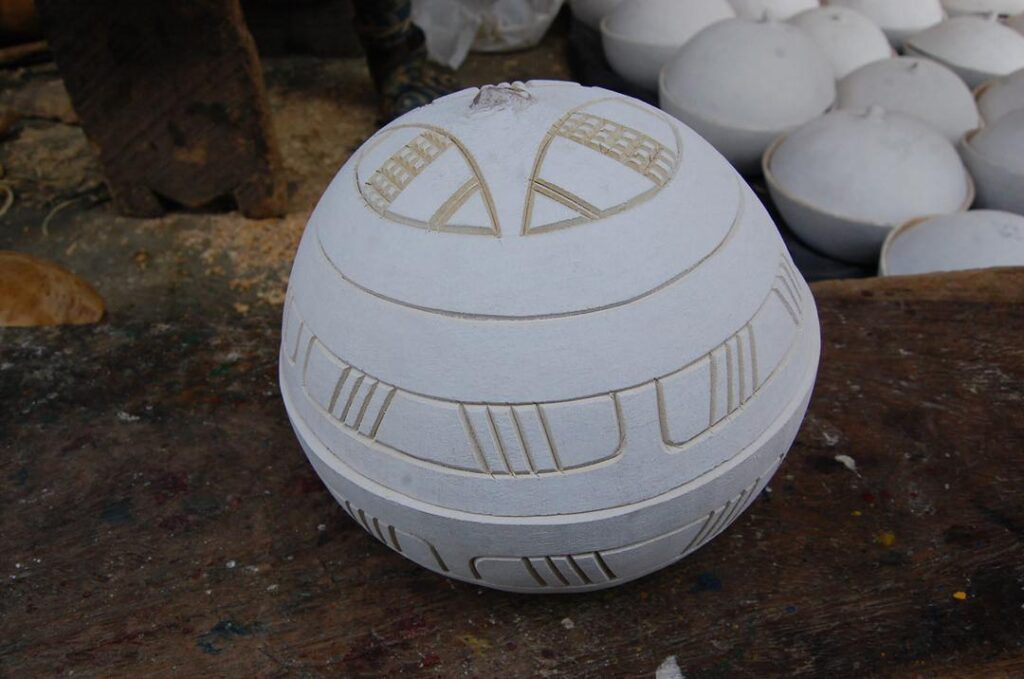
CALABASH/GOURD CARVING (Igbá fínfín) has become an important part of Yoruba race.
Calabash Carving is a traditional handcraft profession domesticated in Oyo, Southwestern Nigeria and has become part of the people’s tradition and culture. Oyo Empire was a centre for traditional gourd use and art. It is an ancient handcraft dated back to centuries ago in Oyo Empire.
This traditional handcraft originated from Oyo and has spread through the expansion of settlements across major communities in Yoruba land and through the influence of the Oyo Empire which lasted for almost 600 years. The Oyo Empire was one of the largest West African Empire founded approximately 1300 C.E. It was also the most important and authoritative of all the early Yoruba principalities. Beginning as simply the city of Oyo, it rose to prominence through wealth gained from trade with both its African neighbors as well as European nations such as Spain and Portugal. Because of its wealth and military skill, the Oyo Empire was the most politically important Yoruba state from the mid seventeenth (17th) to the late eighteenth (18th) century, exercising control not only over the Yoruba states but also over the Fon of the then Kingdom of Dahomey. The Oyo Empire was the earliest and the largest Empire in West Africa and the supreme king over all was the Aláàfin of Oyo. With imperial expansion, Oyo reorganized, to better manage its vast holdings within and outside Yoruba land. Oyo Empire rose through outstanding organizational skills of the Yoruba traditional handcrafts and its powerful Calvary, technology and settlement. It used both local and tributary forces to expand its domain. The influence of the Oyo Empire resulted in the spread of calabash carving across the Yoruba Race. The traditional handcrafting is specifically prevalent in Oyo, southwestern Nigeria region of West Africa. By this, a large number of calabash family carvers have moved to other part of Yoruba land such as; Ogun, Osun, Lagos, Ilorin even to some eastern part of Nigeria like Anambra, Enugu as well as some northern part of Nigeria especially Bida, Niger State.
Oyo town in Oyo state are known traditionally for calabash decorations, for domestic use and for ritual purposes.
Calabash Carving is strictly practiced by certain families in Oyo. There are about twenty (20) families that are major in the practice in the olden days. They are; Bola family (Onírèsé), Aragbon family, Ogbunhun family, Agodi family, Alayoayo family, Tijanikore family, Modeke family, Oluajo family, Akinmorin family, Obe family, Abowotulu family, Aroja Salawu Akindele family, Aji family, Arinago family, Olufon Oyi Ladugba family, Alaodi family, Agun family, Onalemole family, Balogunmoje family. However, there are just about six (6) practicing families left today. The profession was being practiced by both male and female but the demise of the female in practice left it to the male only as the new female generation is not ready to inherit the practice. Hence, calabash carving is exclusively preserved by men of the Yoruba race. This indigenous knowledge system of handcraft is a complex component part of Yoruba Culture within the context of traditional handcraft.
Calabash Carving is an inherited profession that has been from one generation to the next but losing ties with the community culture and heritage due to modernization and religion beliefs. The purpose of this practice has long aged importance. Calabash/gourd is carved with creative and traditional designs on them. Calabash is being used to perform the following functions; traditional rites, to offer gifts to visitors, decorations and to honour royalty.
The founding father of calabash carving was Onírèsé in Oyo from Bola family. Onírèsé calabash carving made him popular because of his skills and noticeable large collections of carved calabash in the Yoruba community which informed the common saying that:
Bíonírèsékò bá fín gbámọ́, èyí tó ti fín kò lè parun,
Even if Onírèsé stopped carving calabash his works will forever live
The praise names (Oríkì) are a way of showing gratitude, respect and honour to the founding father of calabash carving and most importantly the traditional, religious and domestic roles of calabash. It signifies the great works of Onírèsé and his outstanding incomparable skills in calabash carving. He was a pace setter and the best in his time. The making of calabash by Onírèsé was strictly for the Royal family (Aláàfin) in the Oyo Empire. In other words, Onírèsé served Aláàfin with calabash carving before the noble and the rich in the community started using calabash or carved calabash either domestically or otherwise. Since then calabash carving became the profession of some families in Oyo, South-western Nigeria. Calabash carving has become an inheritance practice which has moved from one generation to the other. Unfortunately, the numbers of practicing families have reduced from twenty (20) families to six (6). However, the family of the founding father (Onírèsé) is not in the practice again.
’ASO – ÒKÈ HÍHUN’’
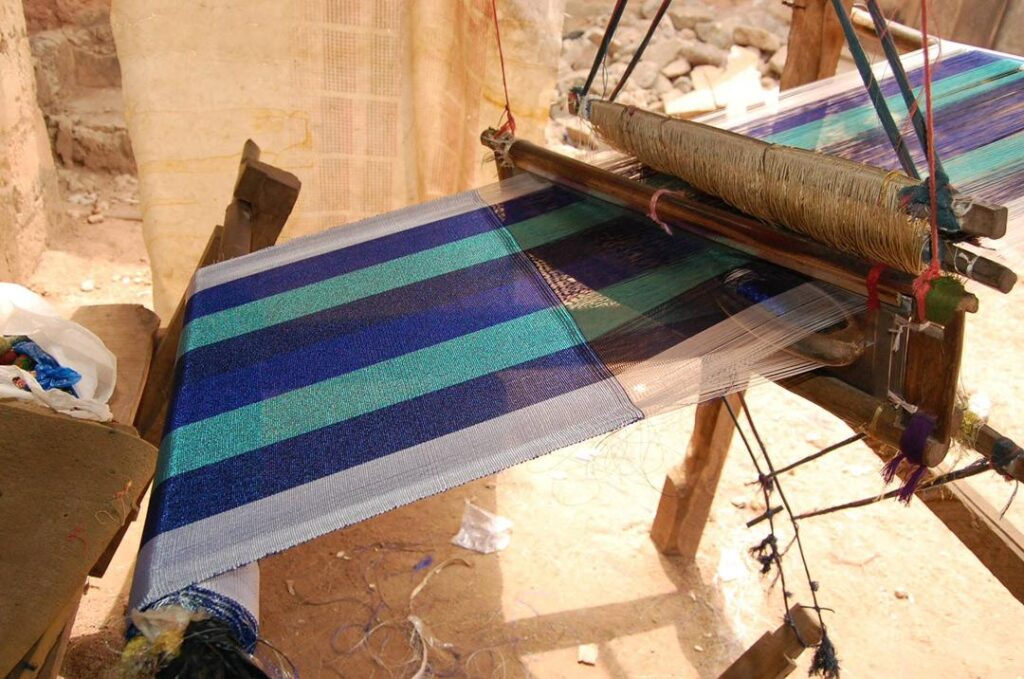
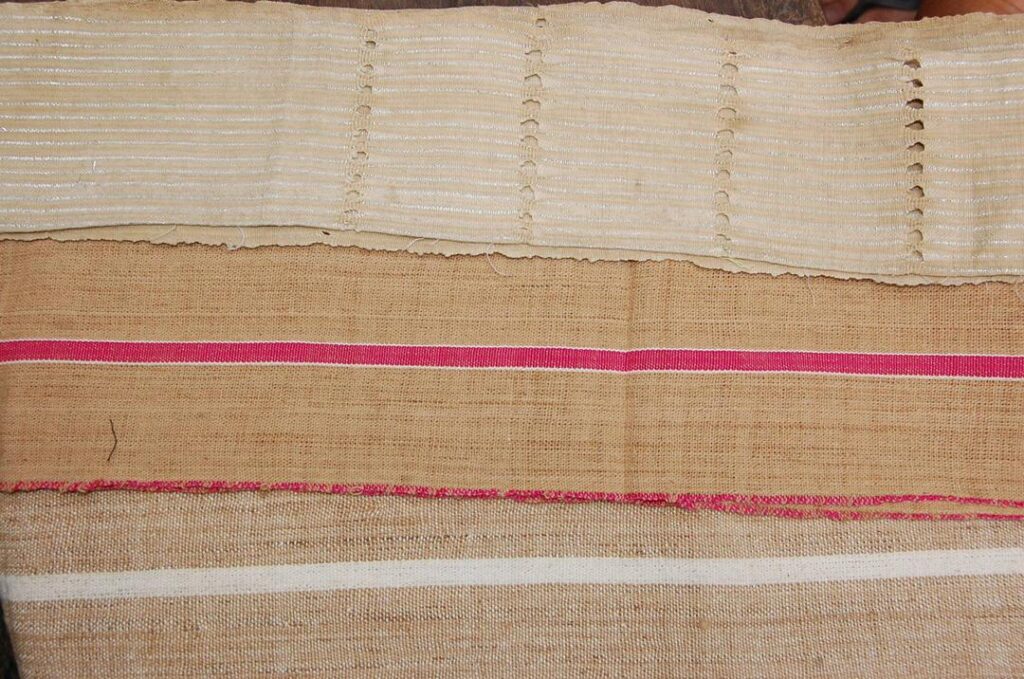
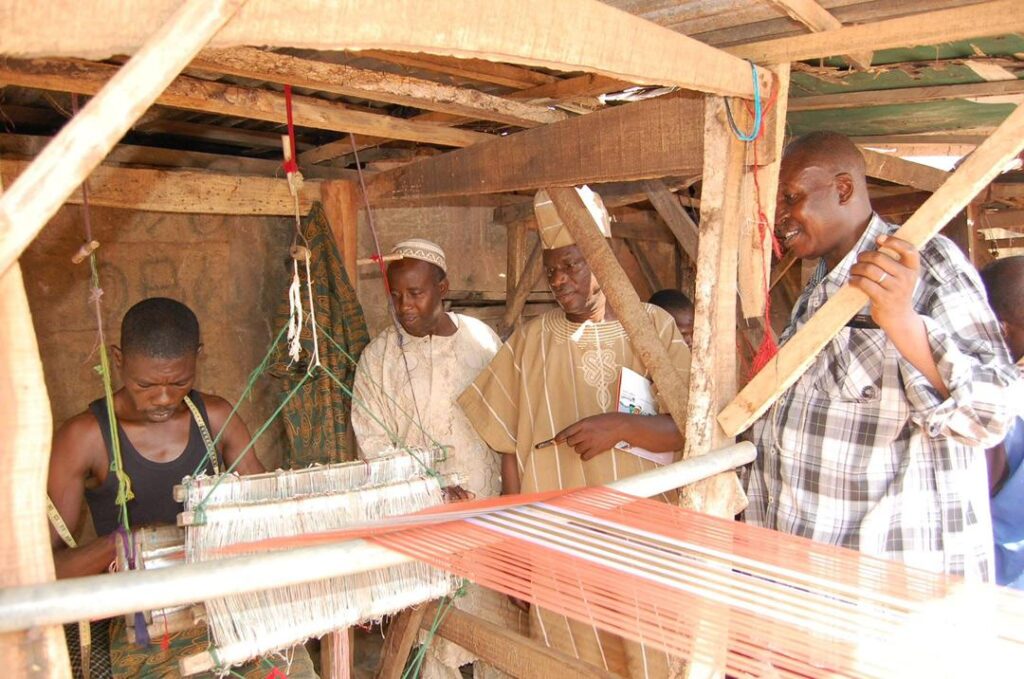
ASO – ÒKÈWEAVING is a traditional hand-woven cloth craft. This craft is practiced among the Oyo community in Yoruba land of the South Western part of Nigeria, West Africa. Aso-Òkè weaving is special because it is handmade, made from raw cotton and colors for dyeing the thread are extracted from plant materials. That is, the dye for making the three major types of Aso-Òkè; Sányán, Àláárì and Etù are extracted in natural ways from the bark and leaves of trees. This indigenous knowledge system of handcraft is a complex component part of Yoruba Culture within the context of traditional handcraft. This practice entails environmental adaptation because the raw materials are locally sourced e.g. cotton, dyes from plant pigments, leaves from tree , inner bark of trees, as well as tool /equipment which are locally sourced and used in the process of weaving Aso-Òkè. All these are a reflection of a deep scientific understanding of the immediate environment for the purpose of survival and sustainable development. The Yorubas, so many centuries ago have produced extraordinary art work like the Aso-Òkè weaving through the technological development in the use of iron to create metal tools and weapons such as machetes, axes and hoes. These tools made it easier for the Yoruba’s to farm the land. They planted cotton seeds and trees like the ‘’sányá tree’’ (Banyan tree – ficus Benghalensis, ‘’eèlú tree’’ (xylopia aethiopica) ‘’ Igi Ara’’ (African rose wood – millettia laurentii) neem leaves (‘’ewé dóńgóyárò’’), ‘’Èpo Igi dóńgóyárò’’’’ (bark of neem tree), ‘’igi osùn’’ (cam wood) and lime juice (‘’omi osàn wéwé’’) which are all natural materials. These natural materials used in making the Aso-Òkè makes it so convenience for the Yoruba people as it does not cause any allergic on their skin even though the cloth is heavy.
The art of Aso-Òkè weaving originated from Old Oyo has spread across major communities in Yoruba land today through the influence of the Oyo Empire which lasted for almost 600 years. The practice originated from the Western Region which today is known as South-West Nigeria. Through the expanding of Oyo Empire because of the settlement, a large number of family weavers have spread to other part of Yoruba land such as; Iseyin, Okeho, Ekiti, Kogi, Ede, Ilorin, Lagos and through the West Africa coast to areas like Benin Republic, Togo and Ghana where the practice of the traditional hand-woven cloth is known in their native Akan ethic group of south Ghana as ‘’Nwentom’’ as well as the famous Ghana cloth known as‘’Kente’’ which is hand woven as well.
Weaving lineage in most of the major Yoruba community today, trace back their origin to Oyo in the 11th century. Through the influence of the Oyo Empire, the practice of Aso-Òkè weaving has spread and is common to all Yoruba land today. Oyo was the strongest kingdom with the largest military and political system. The kingdom of Oyo was close to Niger River. The rich soil in Oyo allowed the people to grow more crops and engage in various traditional handcrafts. Beginning as simply the city of Oyo, it rose to prominence through wealth gained from trade with both its African neighbors as well as European nations such as Spain and Portugal. Oyo was in control of 6,600 towns and villages by the end of 18th century. These settlements have made the art of Aso-Òkè weaving common in Yoruba land today.
Oral tradition evidence has it that leaves were used as aprons before an improvement to the level of bark cloth making; this was gradually replaced with raffia cloth and cotton cloth (Aso-Òkè). Presently, there has been a switch from the local hand spun cotton to local factory produced fibers. These Yoruba community has a deeper belief to the making of Aso-Òkè other than functional clothing as they use it traditionally during their traditional festival as well as a key to the construction of groups and individual identities.
They also believe in the use of Aso-Òkè for traditional medicine and it has a link between generations, families and societies. In the past, it was a noticeable feature of the Yoruba community to have their compounds specialized in a particular cultural practice like weaving, drumming, carving and other traditional craft.
SÁNYÁN / ÀLÁÁRÌ / ẸTÙ
In the past, Sányan, Etù and Àláárì were the major types of Aso-Òkè used generally by the Yoruba’s. In the traditional Aso-Òkè industry of the Yoruba’s, the fundamental conviction of human society about the concept of work existed as all within the society and family partake in one degree or the other. The end product of the production process of Aso-Òkè weaving in the traditional form starts with the farmers.
The cotton used in making the threads for the weaving of Aso-Òkè is mostly planted by the male gender in Yoruba land during the raining season between the month of June and July the cotton would be ready for harvest by the women and children between November and February the following year. The cotton is however kept in the barn for spinning process where the cotton seed is separated from the wool. A bow-like instrument called ‘’orún’’ known as spindlier is used for this process. This is then followed by the sorting process where dirt’s has to be separated from the wool in other to make the wool fit for use.
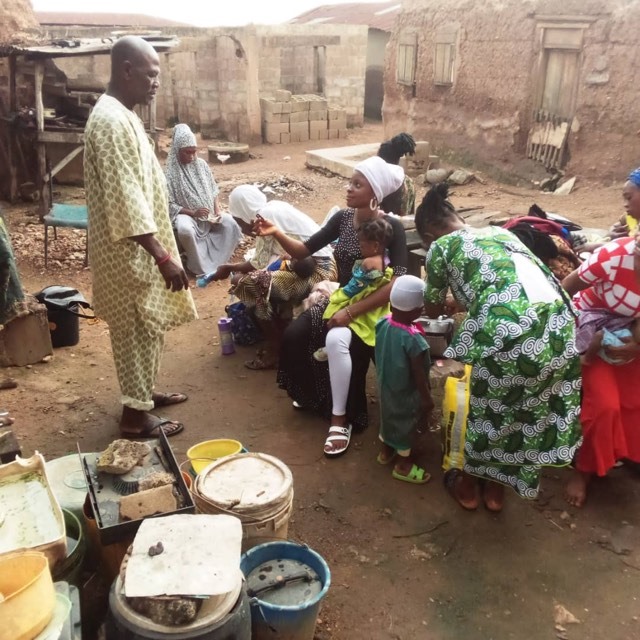
Ìgbèbí-ANCIENT PRACTICES OF SUPPORTRING PREGNANT WOMEN
Culture is the totality of the ways of life of a people and it encompasses the totality of people’s beliefs and practices. There are so many cultures in the world which are marked by their distinct qualities. For instance, the Yoruba culture is distinct in many aspects. One of the aspects is the ancient practices of supporting pregnant mothers, namely Ìgbèbí practice.
Ìgbèbí is the contract word in Yoruba for Ì- gba-èbí that means “the one who helps with child delivery” .
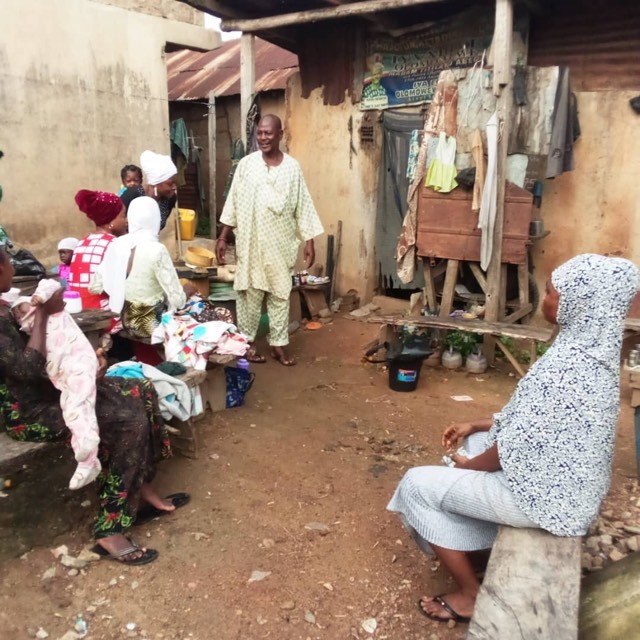
This is an ancient Yoruba nursing and midwifery practice for the pregnant mothers to ensure their safe delivery. These women handle also ante–natal and post-natal services.
This ancient indigenous practice had been in existence in all Yoruba land since immemorial times; being transferred from generation to generation and the knowledge can also be acquired by training if desired.
One of the covert aspects of Yoruba culture is to ensure the good health and well-being of the people. Good health includes the provision of healing from various kinds of illness and disease.
Yoruba traditional medicine performs three distinct functions: Getting rid of the symptoms, identifying and removing the causes of the illness, and maintaining a holistic balance in the patient. With this, it becomes evident why Yoruba medicine is wider, deeper and more complex.
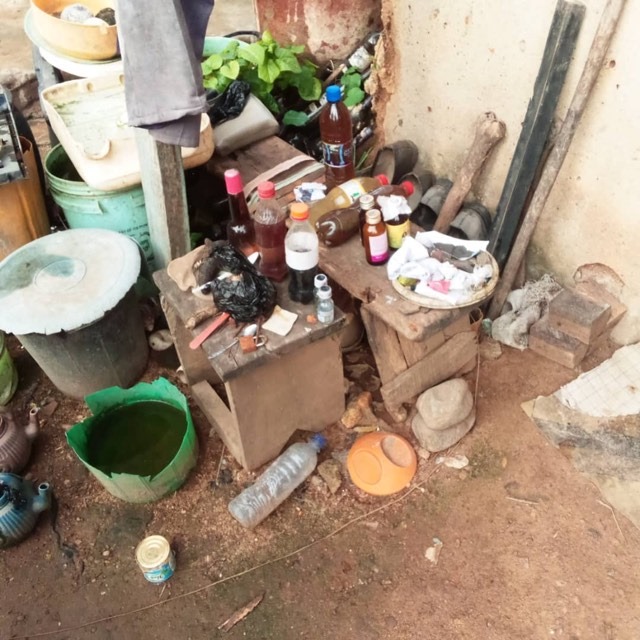
Yoruba traditional medicine is based on different herbal concoctions both by ingestion (orally) and bathing.
Based on the concept that Yoruba culture ensures good health of the people, the ancient practice of Ìgbèbí plays an important role in supporting pregnant mothers in society.
The Yoruba believe that a woman should not forget the day of delivery, that is why they have the proverb “ esè kan eyé, esè kan òrun”, which interprets and emphasises the intricate part of pregnancy that could either lead to death or life of the pregnant mother and by extension the unborn fetus.
Adáhunse is the Yoruba name for traditional doctors, who specialize in different areas of traditional medicine, but the Eesiki Awo is the one in charge of the delivery.
During the delivery day, there is a need for 3 or 4 Eesiki Awo to be present to support the delivery service. However, they are not allowed to enter the delivery room. They are stationed outside using traditional medicine and reciting incantations to facilitate the safe delivery and safety of both mother and child.
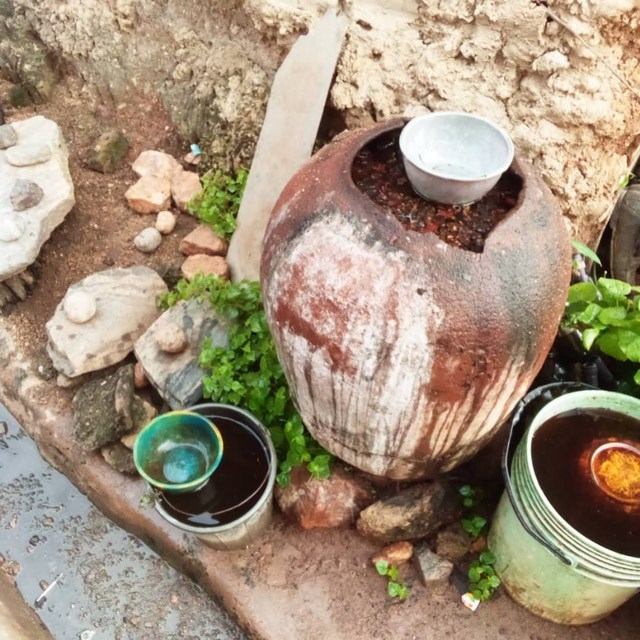
The sand of the river Obà is used to make one medicine and another medicine is made of dog meat.
The first medicine made using the sand from river Obe is given to the woman, followed by the medicine made of dog meat. They inform the mother in labour that the dog is in waiting to be administered while giving the first medication. It is believed that Obà (river spirit) does not accept and align with dogs meat in any shape or form. As a taboo, the medicine made with Obà sand will come out of the woman in labour immediately with the baby before the dog medicine will reach them. This process helps in achieving a safe delivery.