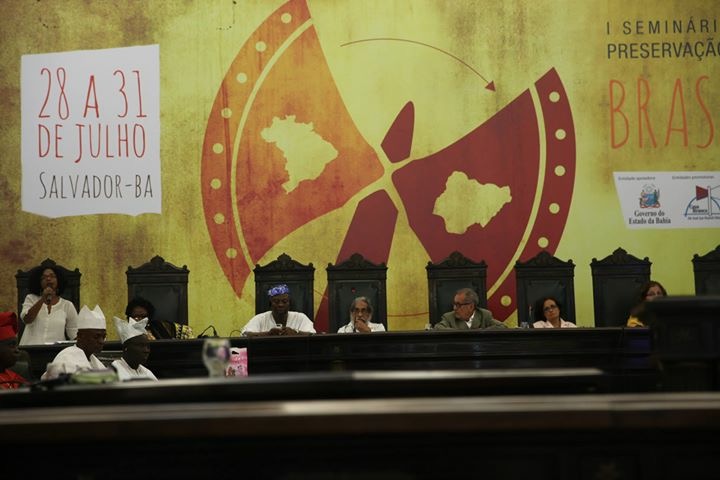
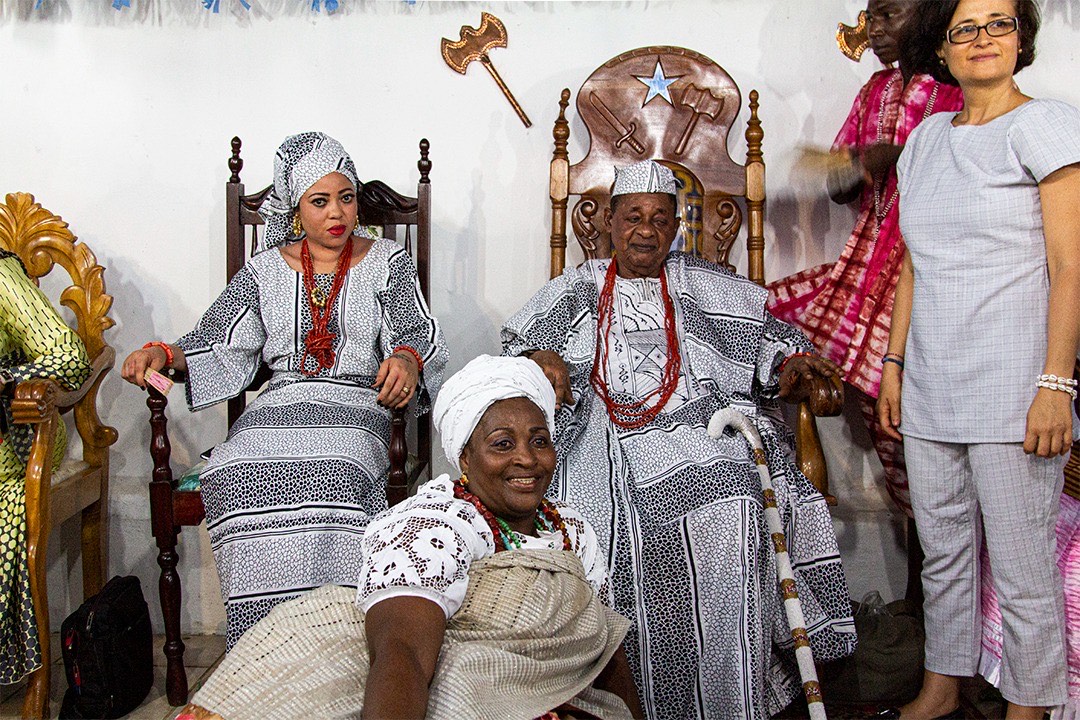
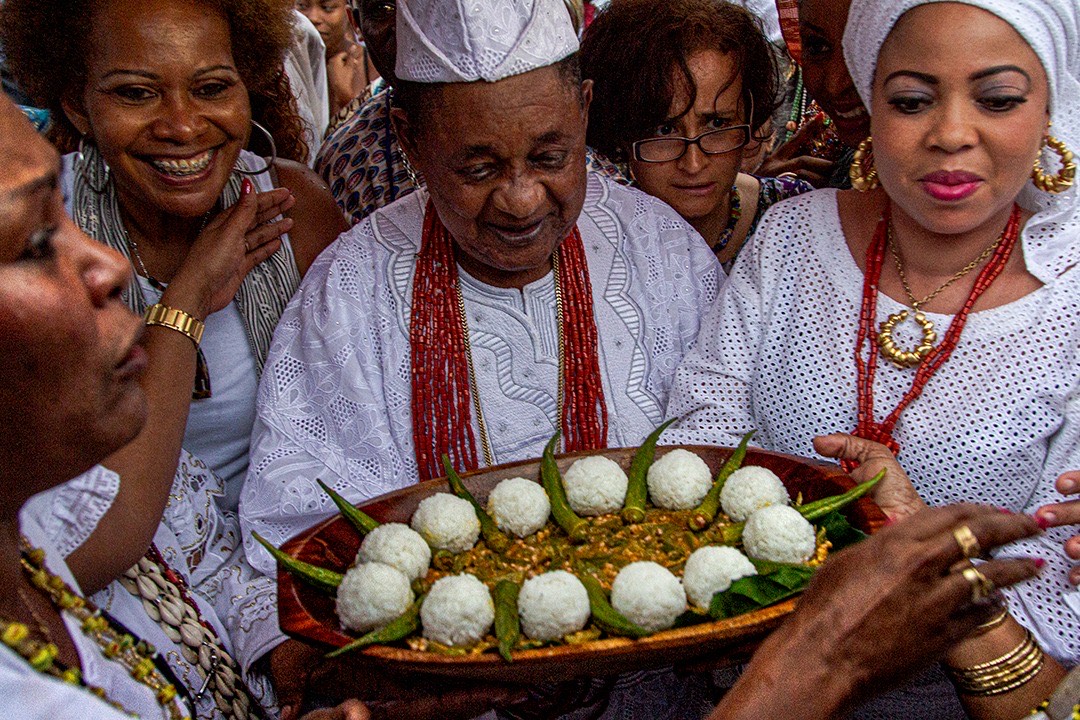
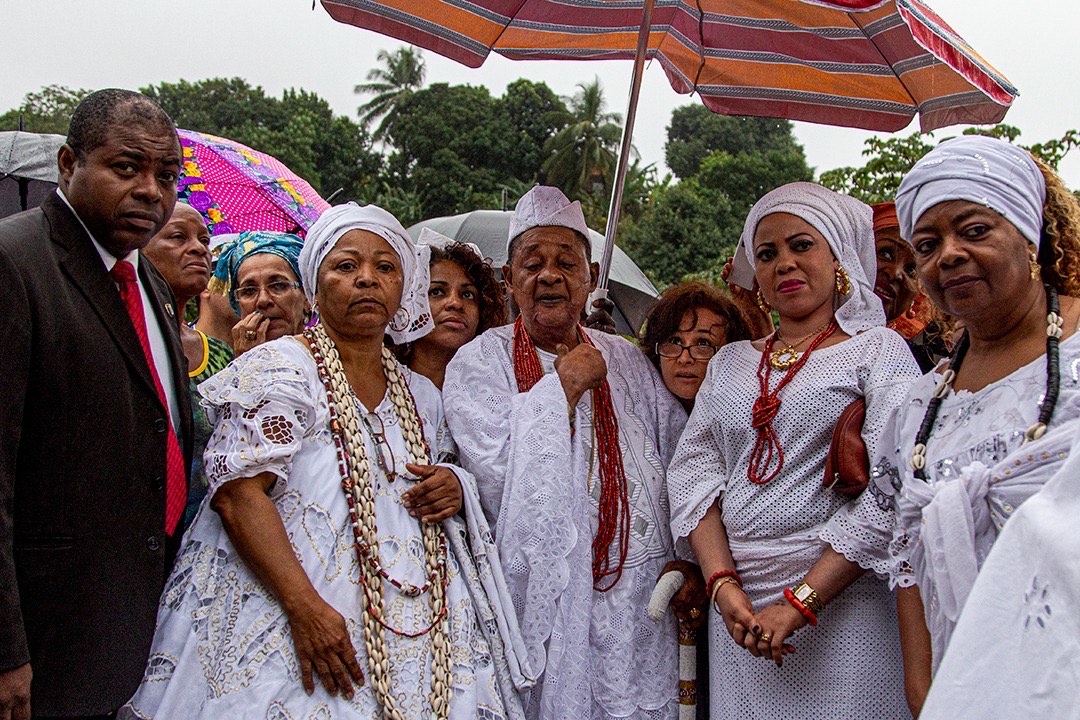
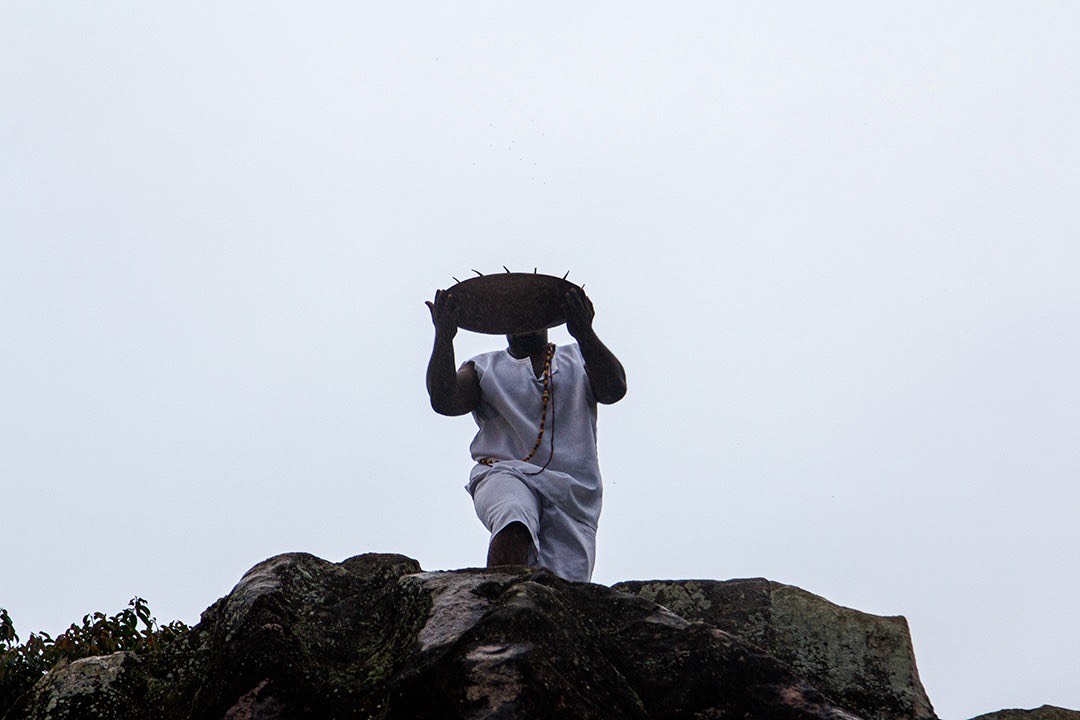
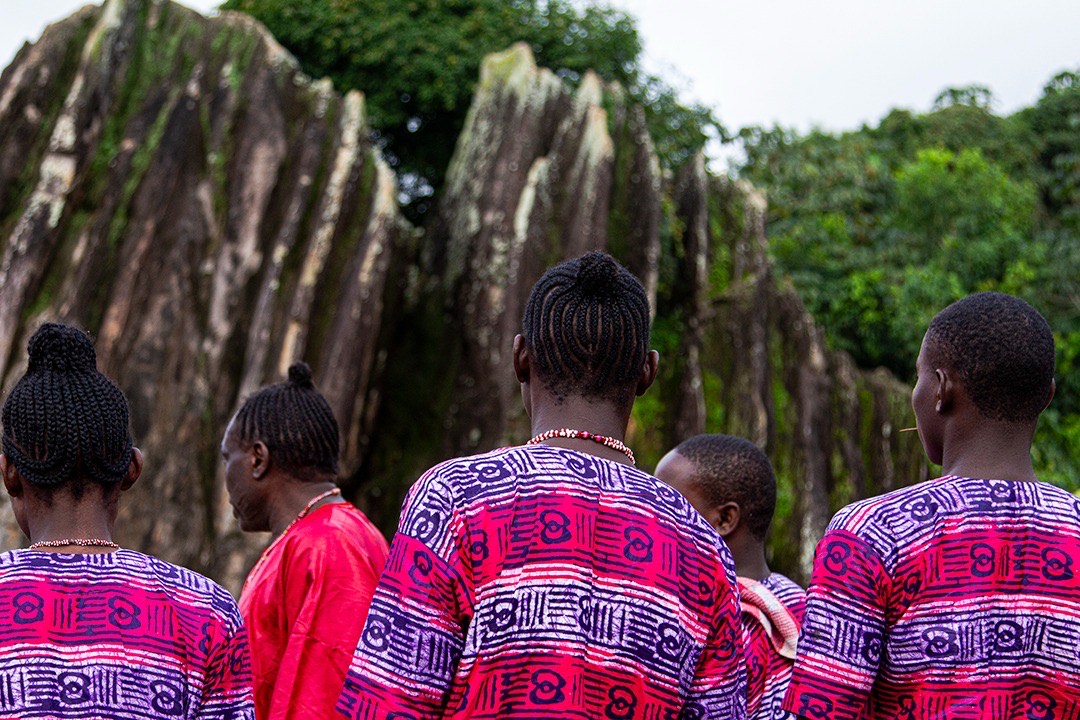
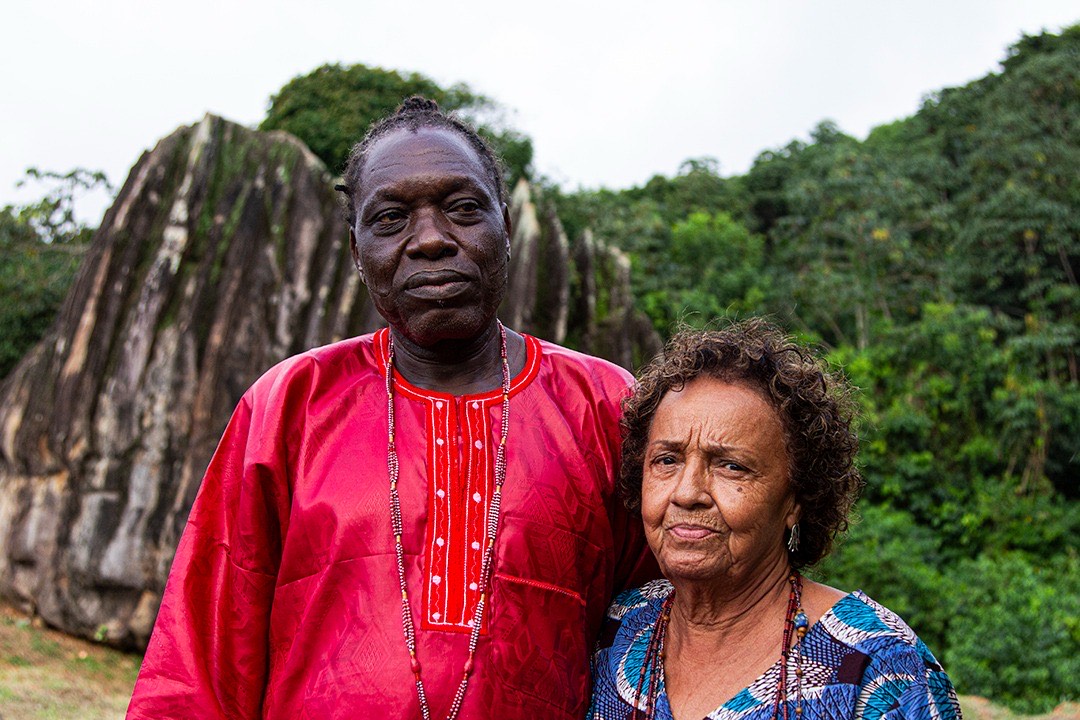
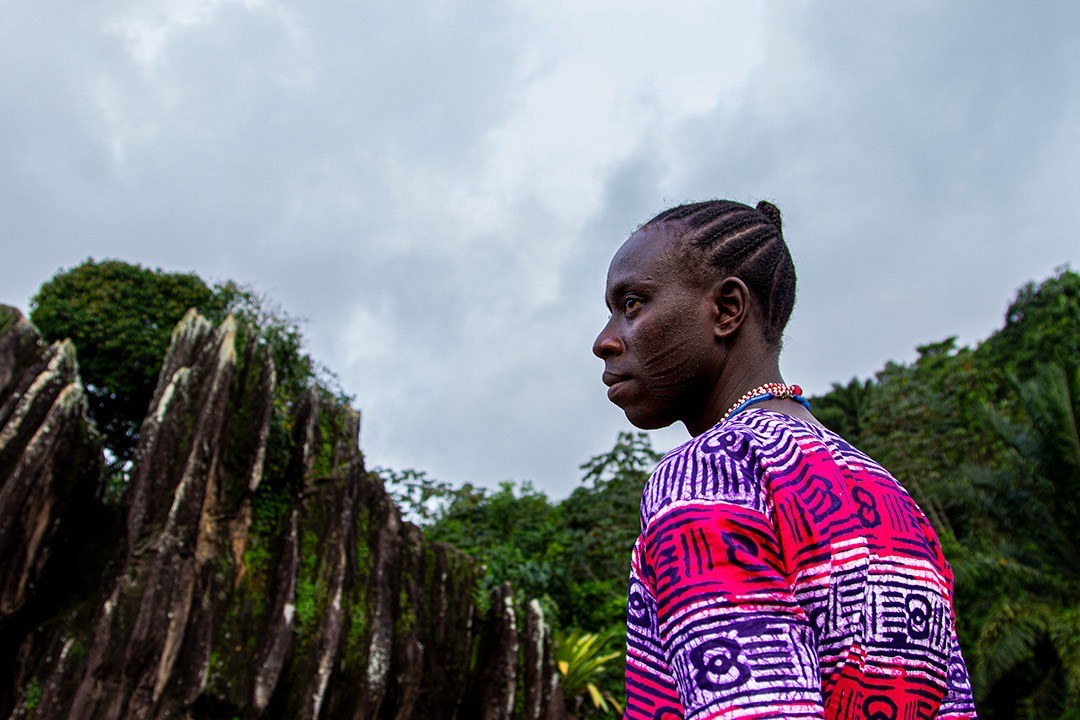
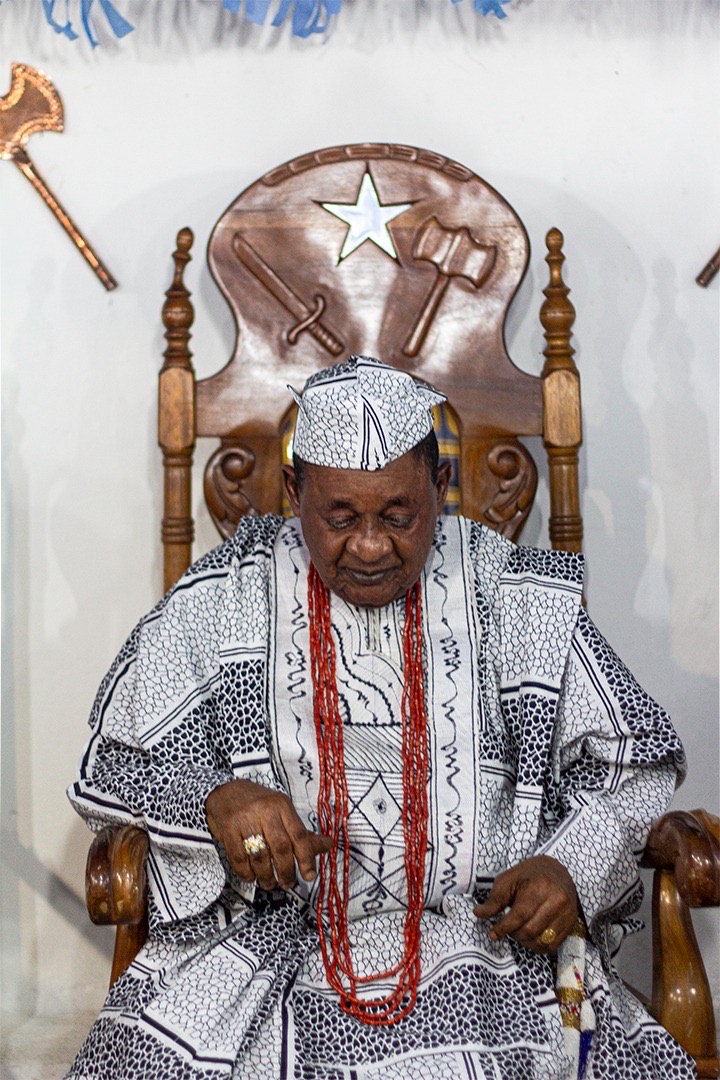
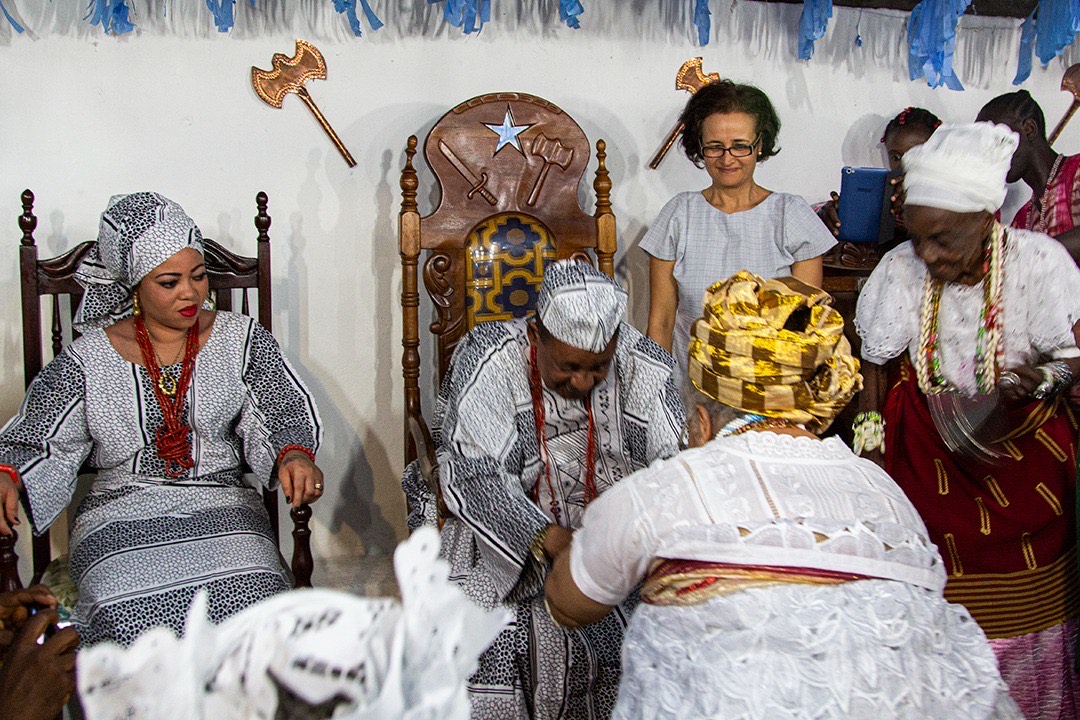
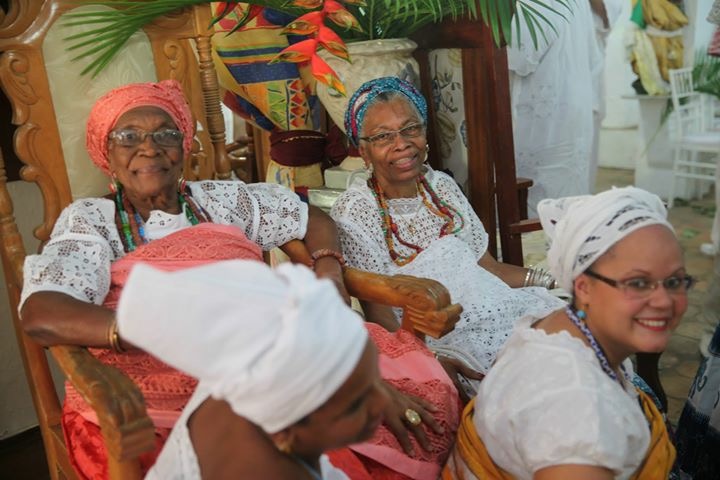
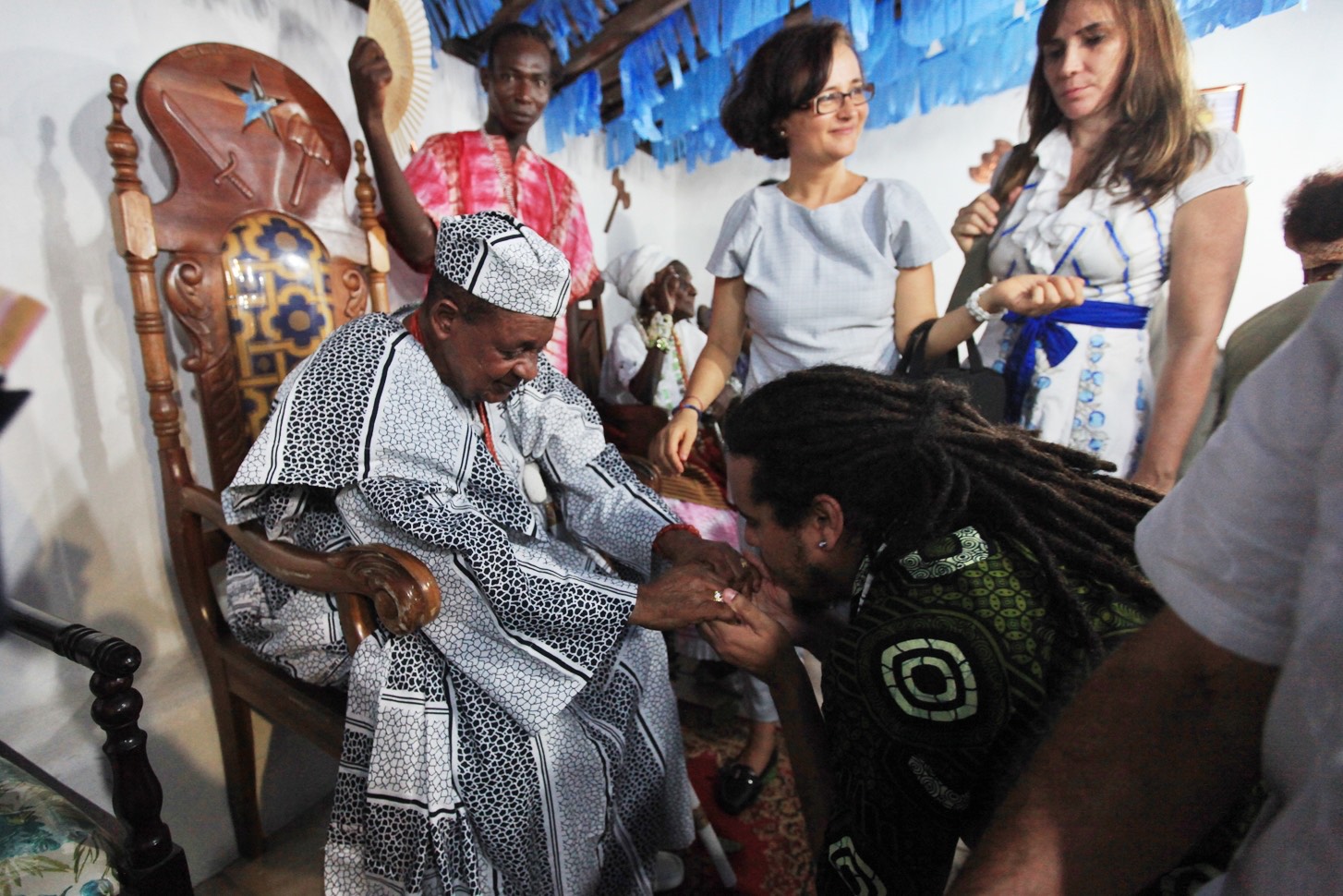
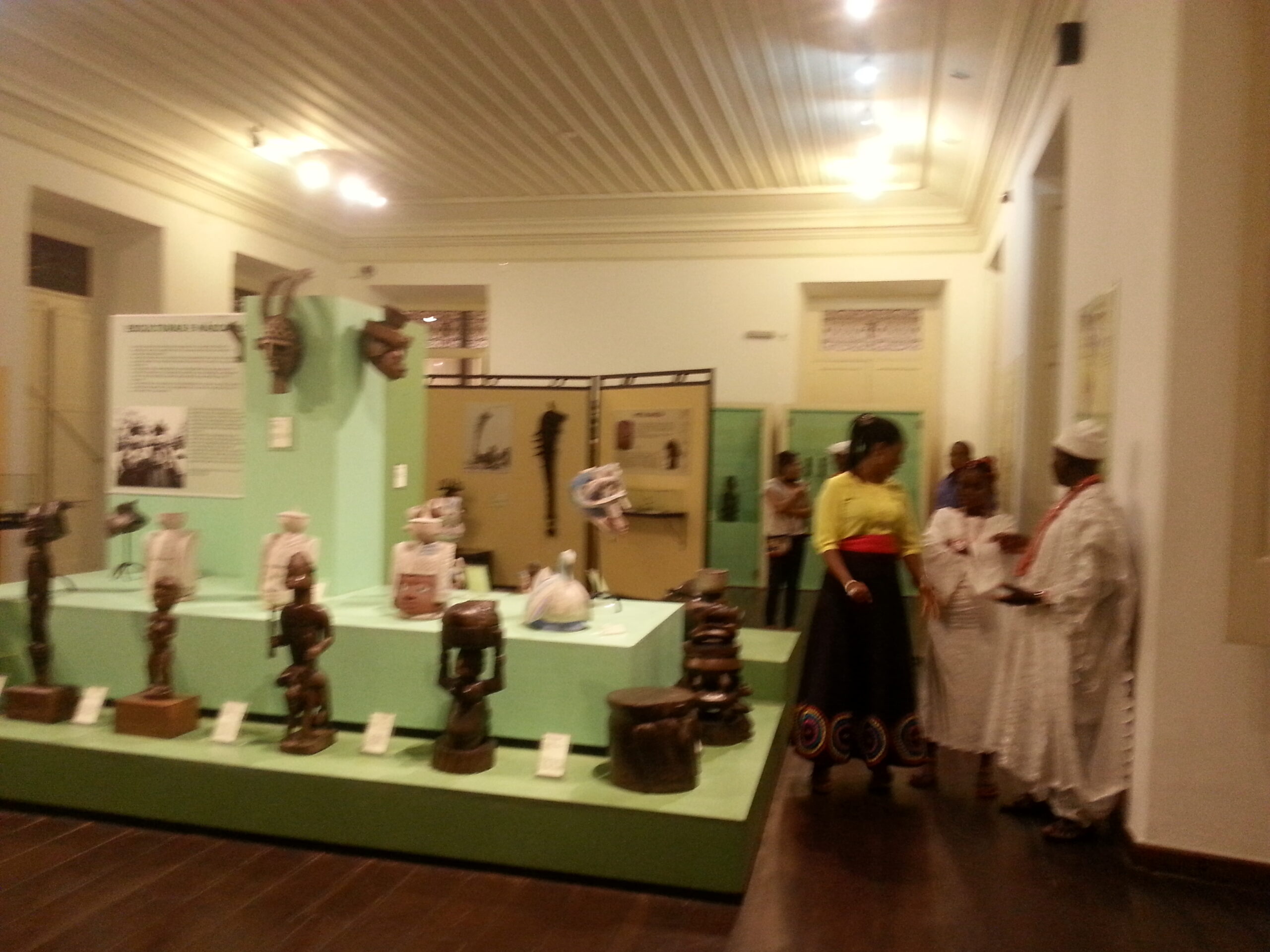
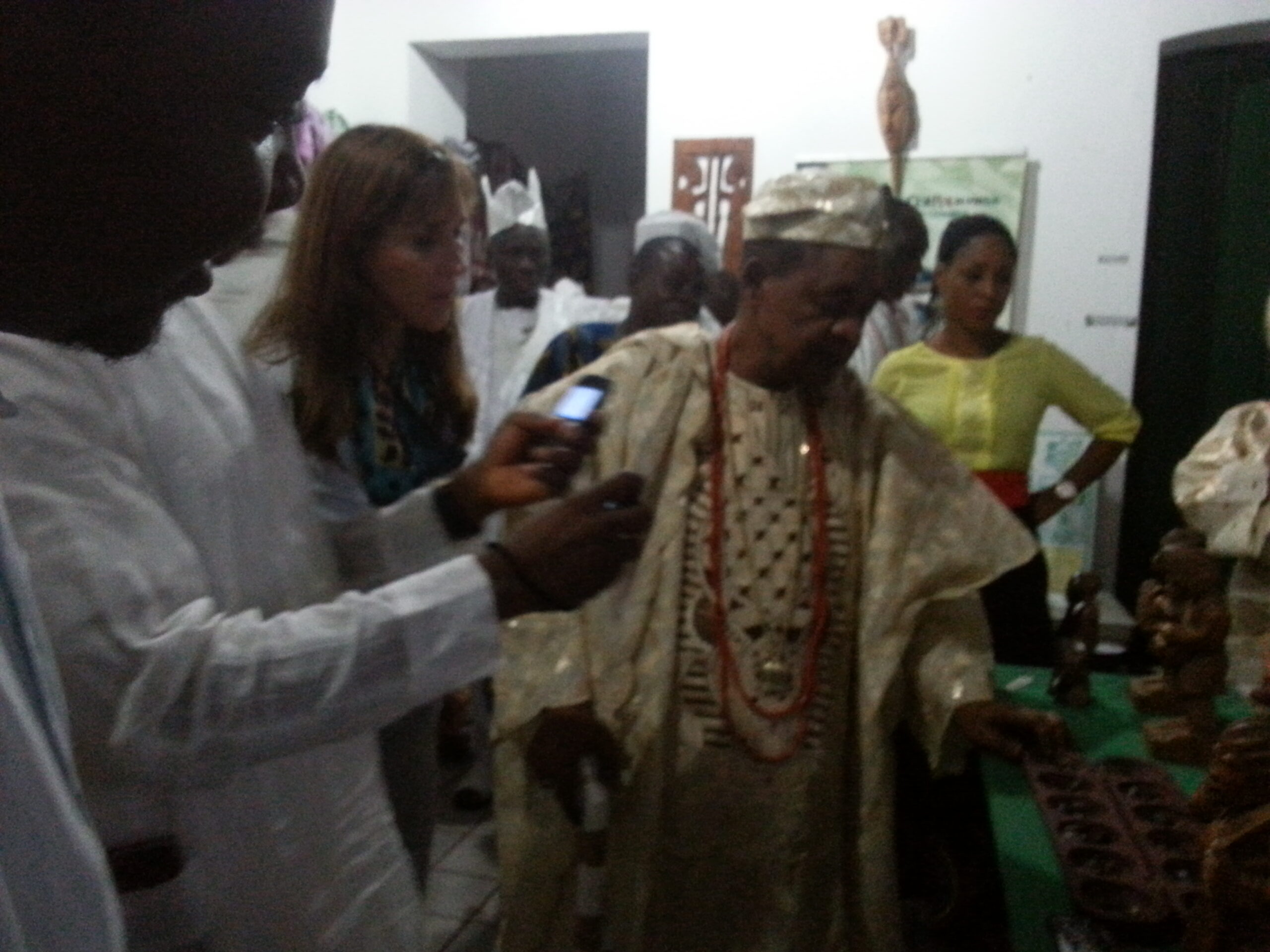
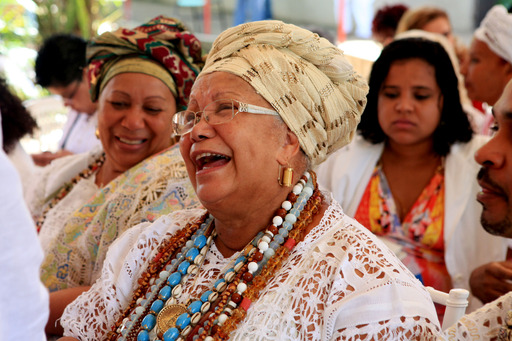
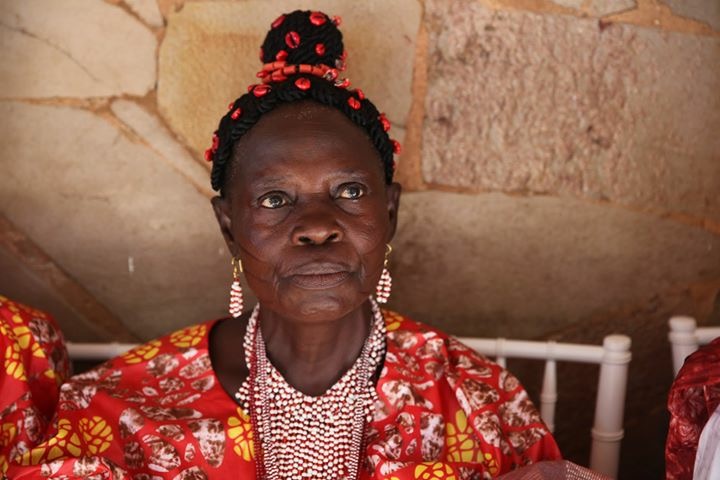
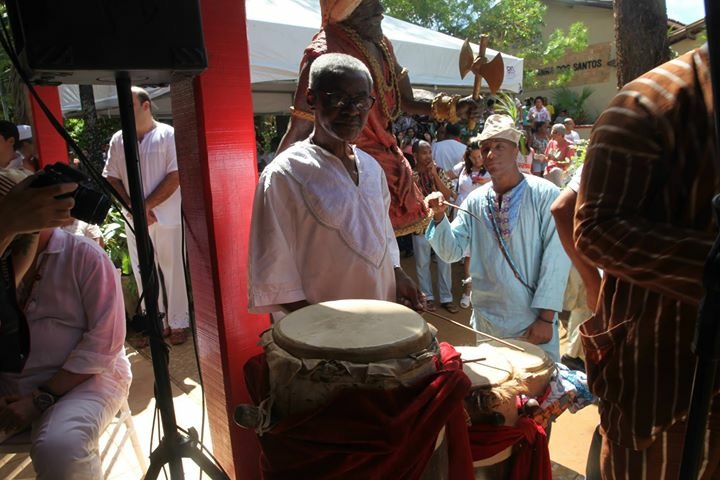
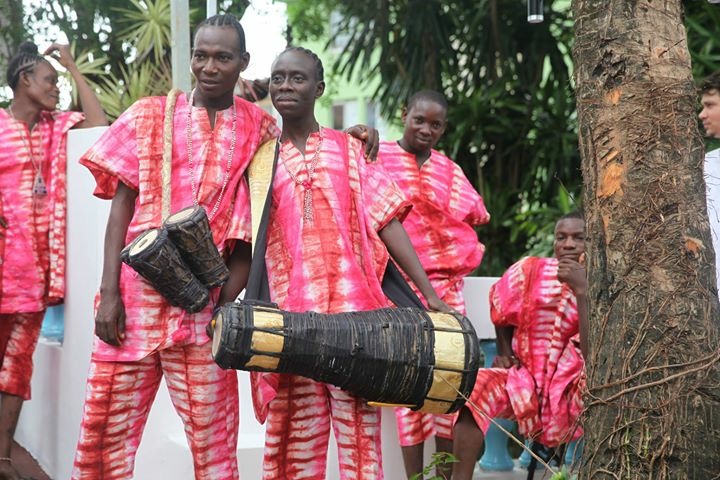
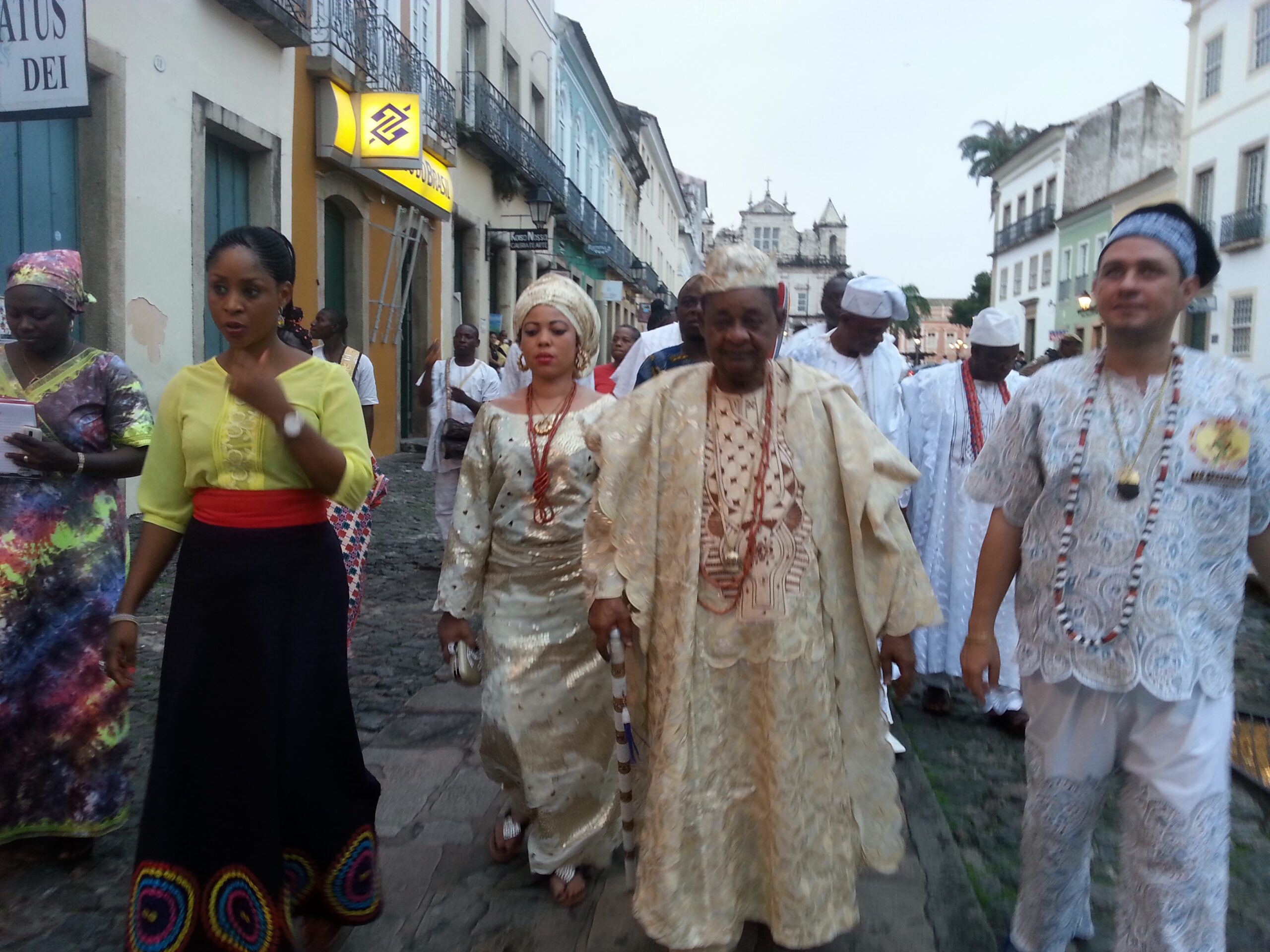
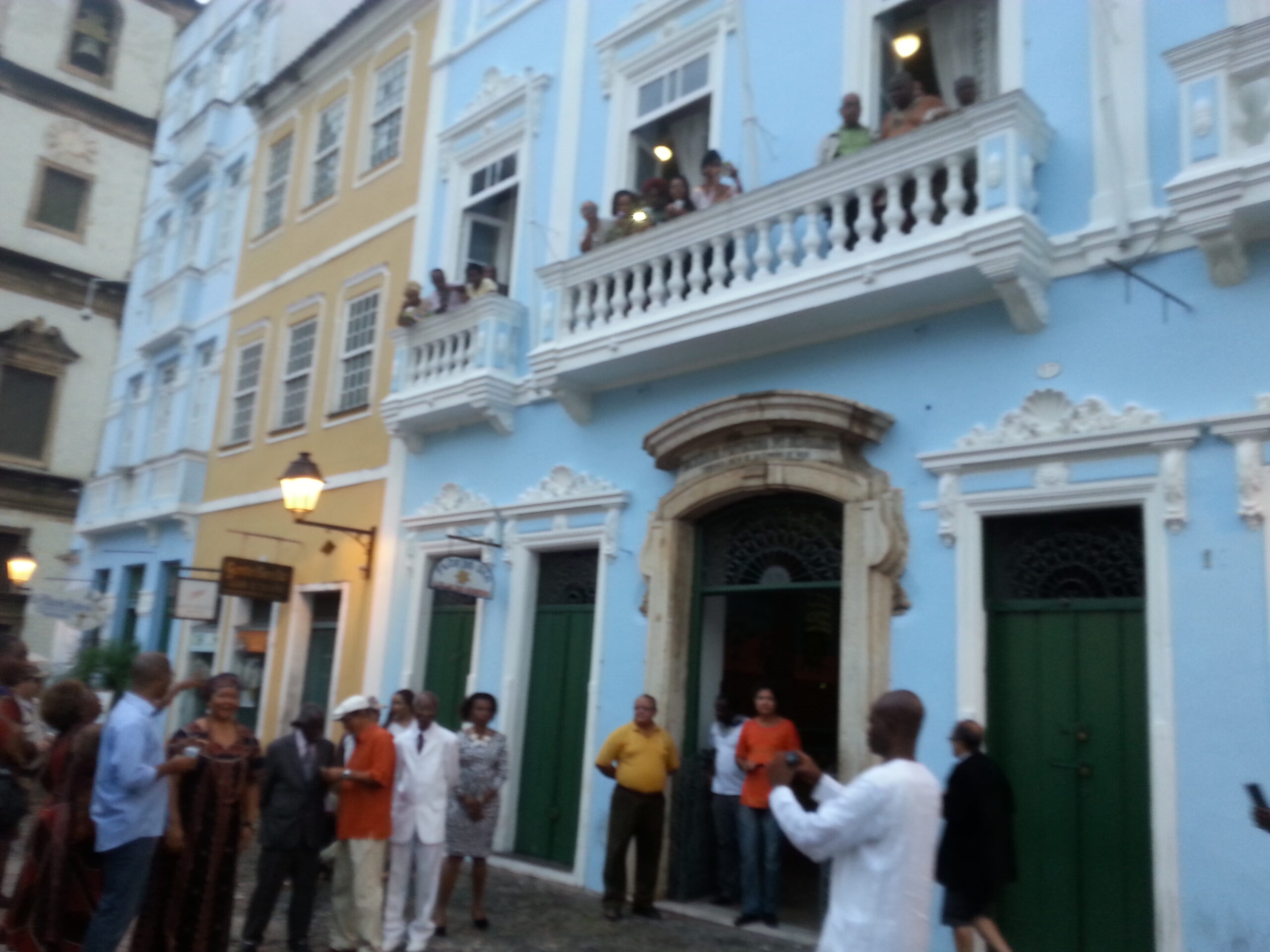
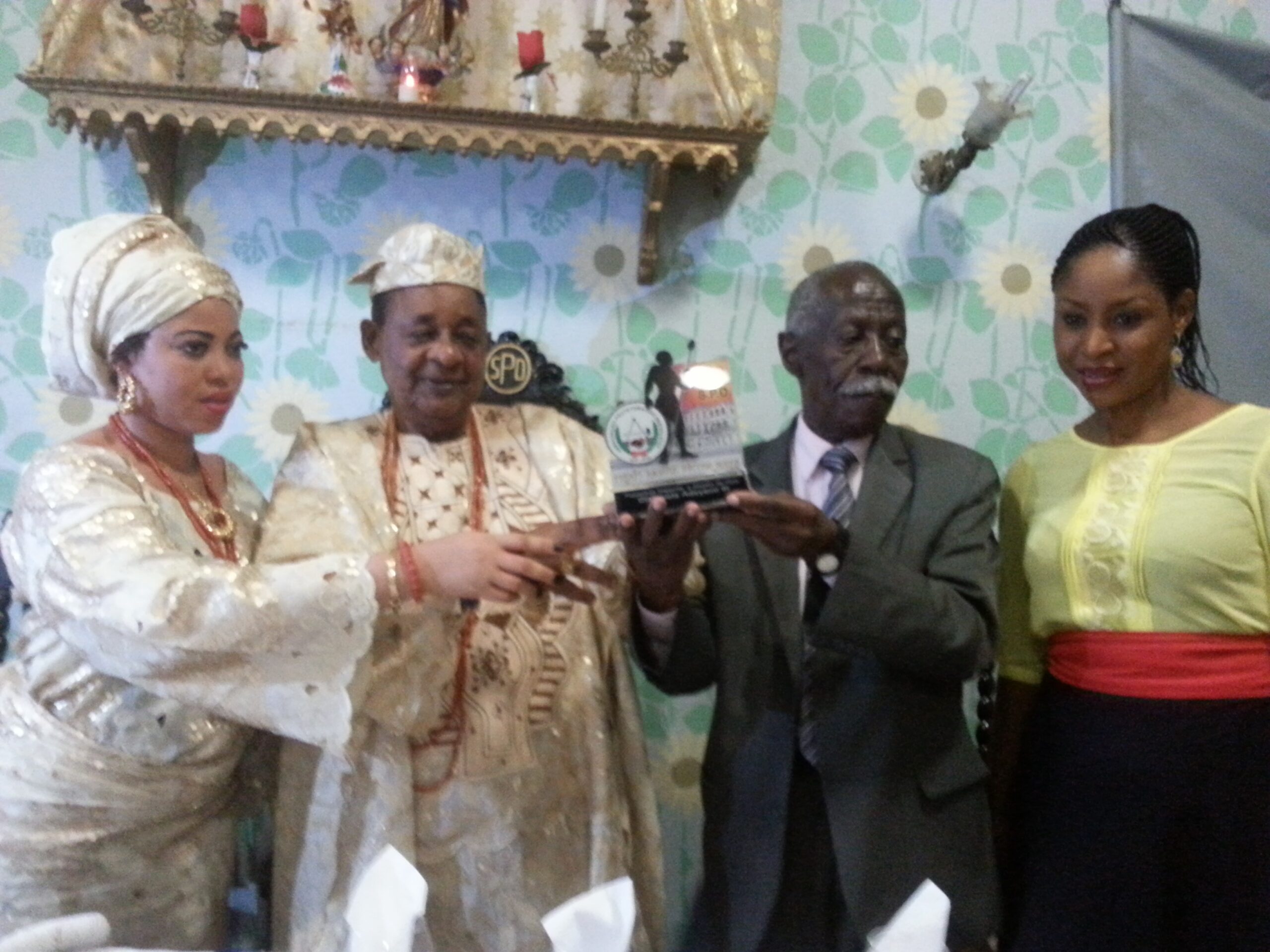
The Brazilian Ministry of Culture in collaboration with IPHAN and the State Government o Bahia invited a Nigerian delegation led by the Minister of Culture of Nigeria and His Majesty the Alaafin of Oyo, accompanied by the main cultural and religious leaders of the city of Oyo to make part of the 1 International Seminar for the Preservation of Shared Cultural Heritage Brazil-Nigeria holds in Salvador from July 28 to 31, 2014.
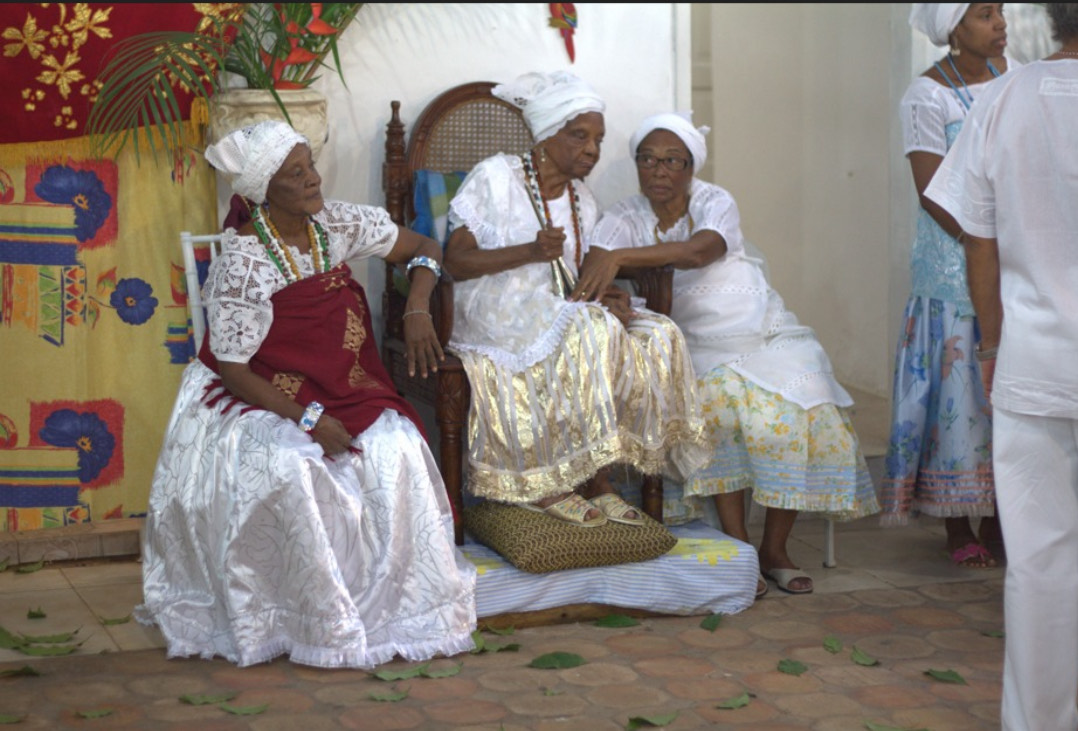
The Yoruba-origin main “terreiros”, registered as National Heritage of Brazil, Ilé Asè Iyá Nassó Okà (White House), Ilé Asé Opo Afonja, Ilé Iyá Omi Asé Iyamasé (Terreiro do Gantois), Ilé Maroialaji (Terreiro Alaketu), and Ilé Osùmàré Arakà Asé Ogodo (House of Oxumare), in collaboration with His Imperial Majesty, the Alaafin of Oyo, Olayiwola Adeyemi III, were united in a historic and unprecedented manner in their effort to preserve their shared cultural heritage in Brazil and Nigeria..
Aware of the state of deterioration and extinction of the material and immaterial heritage of the ancient city of Oyo, the birthplace of the “Candomblé Nagô” tradition, the aforementioned “terreiros” consider it of utmost importance to alert the authorities to safeguard this heritage, as well as to strengthen its appreciation by the people of Oyo. Based on this premise, a cultural exchange proposal was formulated to foster closer ties between the leaders of these “terreiros” with the traditional and cultural leadership of the city of Oyo and their respective government counterparts, in order to find mechanisms for preserving the rich shared cultural heritage.
Lorem Ipsum has been the industry’s standard dummy text ever since the 1500s.
LETTER OF INVITATION BY BRAZILIAN MINISTRY OF CULTURE TO THE ALAAFIN OBA ADEYEMI III
Lorem Ipsum has been the industry’s standard dummy text ever since the 1500s.
Lorem Ipsum has been the industry’s standard dummy text ever since the 1500s.
Program of Events in Brazil
Lorem Ipsum has been the industry’s standard dummy text ever since the 1500s.
Lorem Ipsum has been the industry’s standard dummy text ever since the 1500s.
The Governor of Bahia Jaques Wagner received the Alaafin of Oyo in his residence
Lorem Ipsum has been the industry’s standard dummy text ever since the 1500s.
Lorem Ipsum has been the industry’s standard dummy text ever since the 1500s.
Visit to the ancient Ile Ase in Brazil
Lorem Ipsum has been the industry’s standard dummy text ever since the 1500s.
Lorem Ipsum has been the industry’s standard dummy text ever since the 1500s.
Lorem Ipsum has been the industry’s standard dummy text ever since the 1500s.
Lorem Ipsum has been the industry’s standard dummy text ever since the 1500s.
Different Activities In Salvador/Bahia
Lorem Ipsum has been the industry’s standard dummy text ever since the 1500s.
ø;
Lorem Ipsum has been the industry’s standard dummy text ever since the 1500s.
Lorem Ipsum has been the industry’s standard dummy text ever since the 1500s.
ø;
Letter of appreciation from late Alaafin Oba Adeyemi III to the Brazilian Government
Lorem Ipsum has been the industry’s standard dummy text ever since the 1500s.
Lorem Ipsum has been the industry’s standard dummy text ever since the 1500s.
2015 Agreement to Consolidate Oyo -Nigeria and Rio de Janeiro – Brazil as Twin sisters
MUNICIPAL BILL PROPOSAL
○ SUMMARY:
PROVIDES FOR THE TWINNING OF THE CITIES OF OYÓ, IN NIGERIA, AND THE CITY OF RIO DE JANEIRO AND AUTHORIZES THE EXECUTIVE BRANCH TO ENTER INTO A TWINNING AGREEMENT BETWEEN THEM.
Author(s):
THE MUNICIPAL COUNCIL OF RIO DE JANEIRO D E C R E E S:
Art. 1 The city of OYO, in Nigeria, is hereby included as a sister city of the city of Rio de Janeiro in § 4 of Art. 2 of Law 5,919, of July 17, 2015, which consolidates the municipal legislation regarding sister cities.
Art. 2 Cooperation and exchange programs in the cultural, social, educational, scientific, tourism, technological, health, economic, sports, environmental, and commercial areas between the city of OYO, in Nigeria, and the city of Rio de Janeiro are hereby included in items I, II, III, IV, V, VI, VII, VIII, IX, X, and XI of § 1 of Art. 5 of Law 5,919/2015.
Art. 3 This Law shall enter into force on the date of its publication
JUSTIFICATION
The Bill in question aims, in a world increasingly organized around what we call “globalization,” to recognize that it is important to understand nations, peoples, cultures, and cities as complementary to one another rather than as opposing entities. This is because, in interpersonal relationships across all societies, there are aspects that go beyond geopolitical, religious, gender, and other boundaries. Therefore, considering a city as a sister city is to acknowledge that there are ties, intersections, points of connection, in short, among its inhabitants. Nothing is more globalized than facilitating and encouraging these relationships.
The history of the city of Oyo traces back to the history of the Empire of the same name, which became one of the largest empires in West Africa. Founded by the Yoruba people around 1300, this empire was historically a major commercial and cultural hub. Although Yoruba culture is made up of culturally distinct subgroups, such as the Ijesa, the Ifés, and the Egbás, by For example, the Oyos have always been very important in preserving the culture of the Yoruba people, being, in fact, one of the largest groups in terms of population.
The Oyo Empire, whose capital was Oyo-Ile, also known as Katunga or Oyo-Oro, was very vast and extended over an area of 150,000 km², reaching the present-day territory of Ghana, passing through Benin and Togo, exerting control over Ife, Ekiti, Ijesa, Egba, Ijebu, Ondo, Sabé, and Owu, important city-states in the region at the time. The ancient Oyo Empire was responsible for spreading the culture, language, technologies, practices, norms, and value system of the Yoruba people, as well as the traditions of Shango. The empire was governed by an Alaafin (aafin = palace; Alaafin = lord of the palace) who in Yoruba mythology represents the lineage of Oranyan, founder of Oyo and son of Okanbi, who descends from Oduduwa, the first progenitor of the Yoruba people. The Alaafin also holds spiritual significance: once crowned with the mythical crown of Sango, he becomes endowed with supernatural powers that affirm him as the leader of the Yorubas. Like all the great African empires of the past, Oyo bore the marks of internal conflicts and invasion processes. One of them culminated in the relocation of Katunga’s administrative headquarters to the city of Oyo (or New Oyo) in the 1830s. Another important factor to mention was the trafficking of enslaved people via the Atlantic route, which resulted in the kidnapping of thousands of Yorubas.
What is known today about Yoruba tradition and culture in Africa is due to the resistance of its people who, even in unfavorable situations of genocide and epistemicide, managed to preserve their culture and memory; a memory that reached the American continent and was here perpetuated by their brothers in the diaspora. The Black diaspora, although marked by abduction and forced enslavement (maafa), is one of the links between Nigeria and Brazil, between Oyo and Rio de Janeiro, which, in addition to sharing common marks of a historical process of colonial domination and a contemporary process of colonialism, share histories, memories, technologies, cultures, and creations mediated by the Diaspora. Over time, many things have changed in the way of life, in the landscape, and in the culture of Oyo, and although the city continues today as the main reference of Yoruba culture, the influences and pressures of the contemporary world have put the city’s heritage at risk, composed of palaces, temples, markets, and by a set of other important urban buildings, as well as a complex cultural, political, and religious system that characterizes the Oyo Empire.
However, the influence and persistence of Yoruba culture remain strong, even in the current geopolitical context of a capitalist presidential republic. The Oyo palace has become the State House of the Yoruba Nation, and the Alaafin of Oyo continues to be a major political and religious influence not only for the Yoruba people but especially for this group, playing an important role in preserving memory and identity as a patron of Yoruba culture.
Oyo is today a medium-sized city, with about 430,000 inhabitants (data from 2006) and a population density of approximately 180 inhabitants/km². It is part of the current state of Oyo, located in the southwestern region of Nigeria, forming, along with 35 other states, the current administrative division of Nigerian territory. The city has a strong agricultural vocation, standing out in the production of tobacco, teak, and cotton, in addition to producing yams, cocoa, corn, sorghum, cassava, okra, and beans, which drive the local markets, among which the most notable is the Akeesan market, also called Ojá Obá, or the king’s market, due to its proximity to the Alaafin’s palace. Artistic production is also highly prominent, such as wood sculptures and leather works.
In terms of education, Oyo is home to five higher education institutions: Federal College of Education, Ajayi Crowther University, Emmanuel Alayande College of Education (Erelu Campus and Isokun Campus), Federal School of Surveying (the only surveying school in sub-Saharan Africa), and Atiba University. There are also several public and private primary and secondary schools.
References:
Britannica. Oyo Nigeria. Disponível em: https://www.britannica.com/place/Oyo-Nigeria
Drewal, Henry John; Pemberton III, John; Abiodun, Rowland. Yoruba: nine centuries of african art
and thought. Disponível em:
https://www.amherst.edu/system/files/media/0424/Reduced%2520Yoruba_9_Centuries_Chap_6_part_
1.pdf
Frans, Alyssa. Kingdom of Oyo (CA. 1500-1837). Disponível em:
https://www.blackpast.org/global-african-history/oyo/
Goddard, Stephen. Ago That became Oyo: An Essay in Yoruba Historical Geography. The
Geographical Journal, vol. 137, n. 2, jun., 1971. Disponível em:
https://www.jstor.org/stable/1796741?origin=crossref
Oyo State. The State. Disponível em:
https://old.oyostate.gov.ng/about-oyo-state/#1496321925542-d2c83f38-c8fe
Wikipedia. Oyo, Oyo State. Disponível em: https://en.wikipedia.org/wiki/Oyo,Oyo_State Wikipedia. Oyo State. Disponível em: https://en.wikipedia.org/wiki/Oyo_State#List_of_universities Wikipedia. Nigéria. Disponível em: https://pt.wikipedia.org/wiki/Nig%C3%A9ria Wikipedia. Império de Oió. Disponível em: https://pt.wikipedia.org/wiki/Imp%C3%A9rio_de_Oi%C3%B3 Wikipedia. Oió (Nigéria). Disponível em: https://pt.wikipedia.org/wiki/Oi%C3%B3(Nig%C3%A9ria)