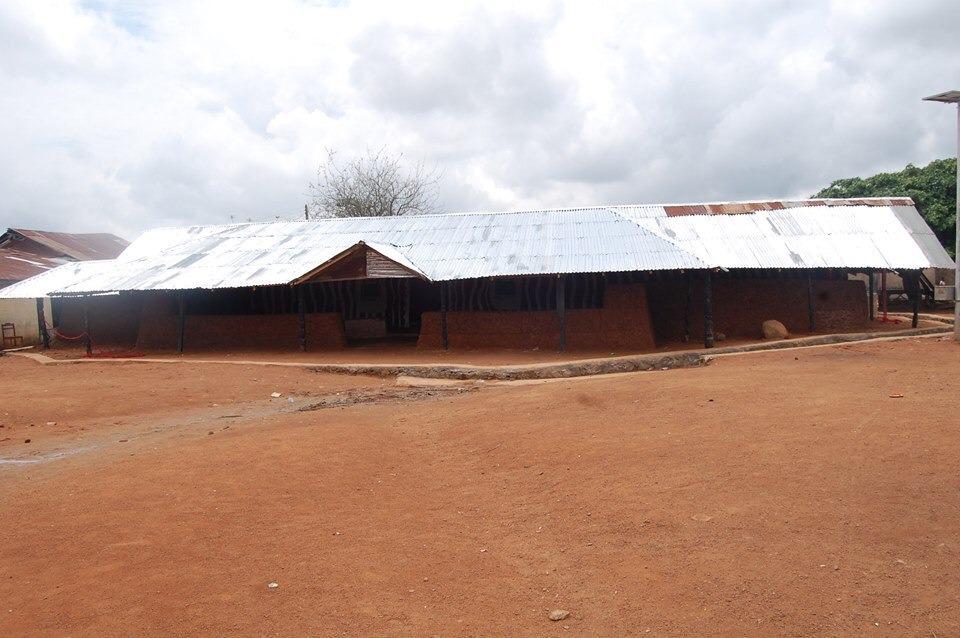
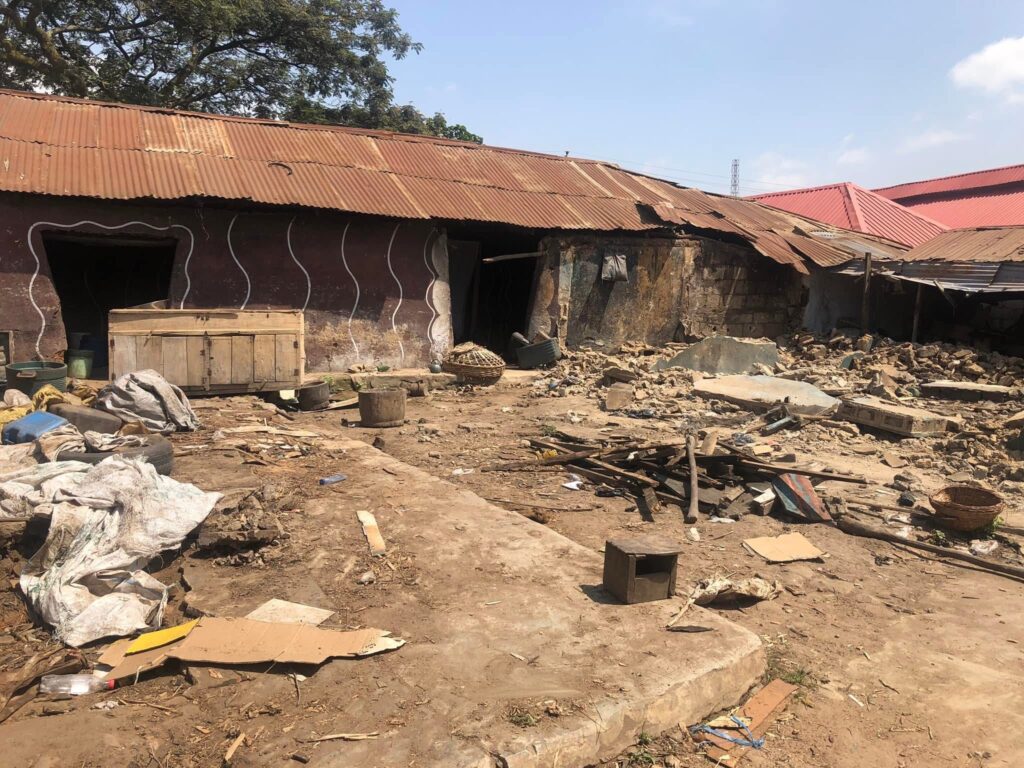
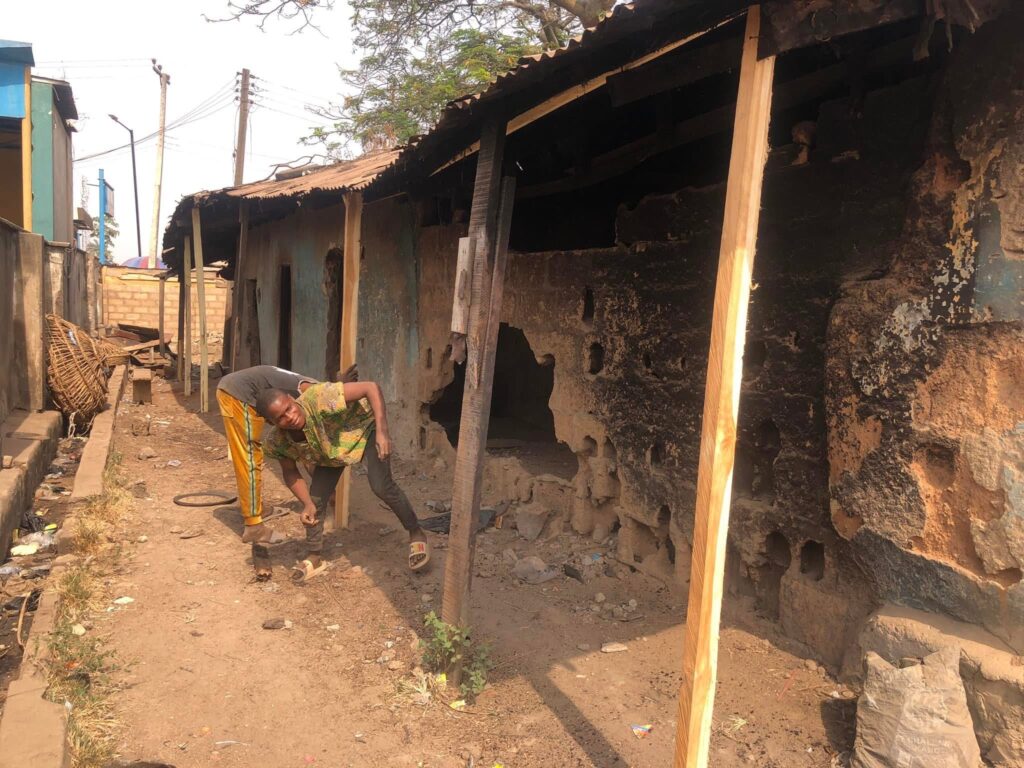
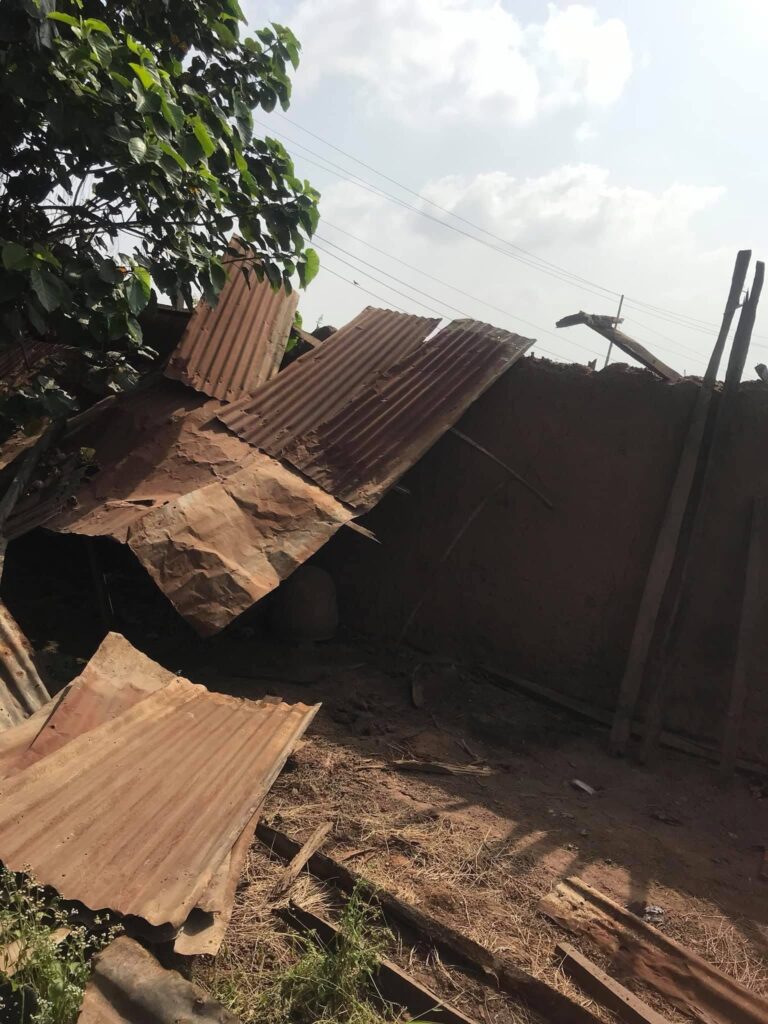
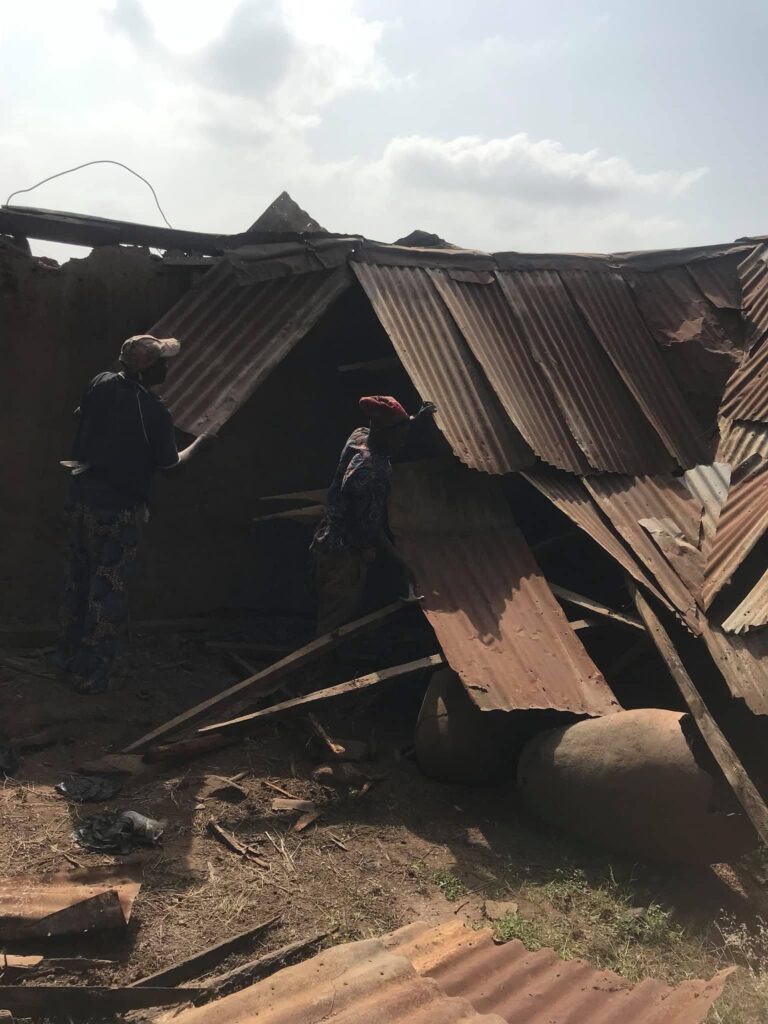
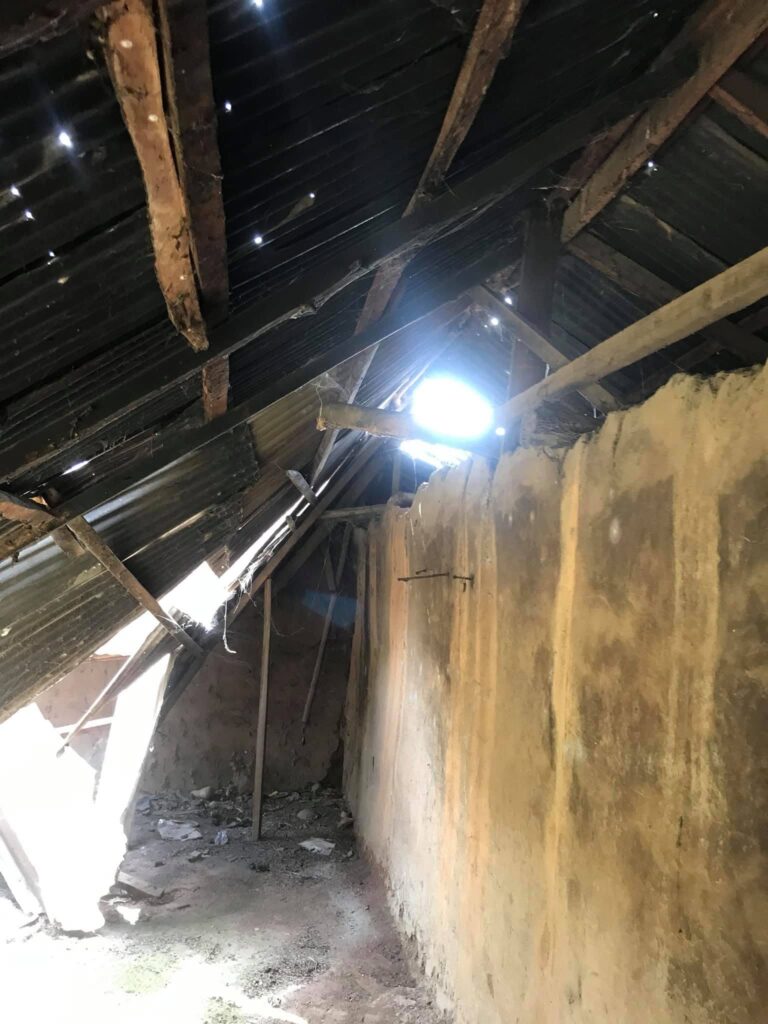
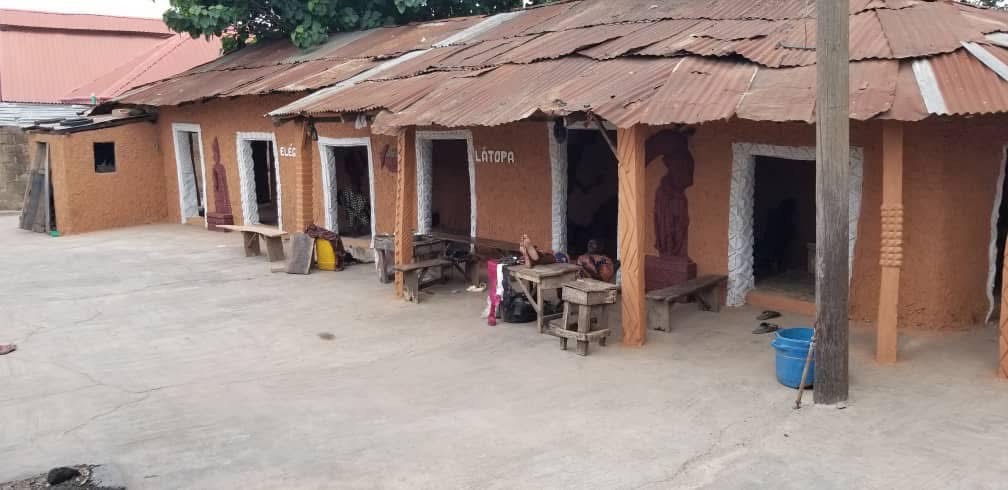
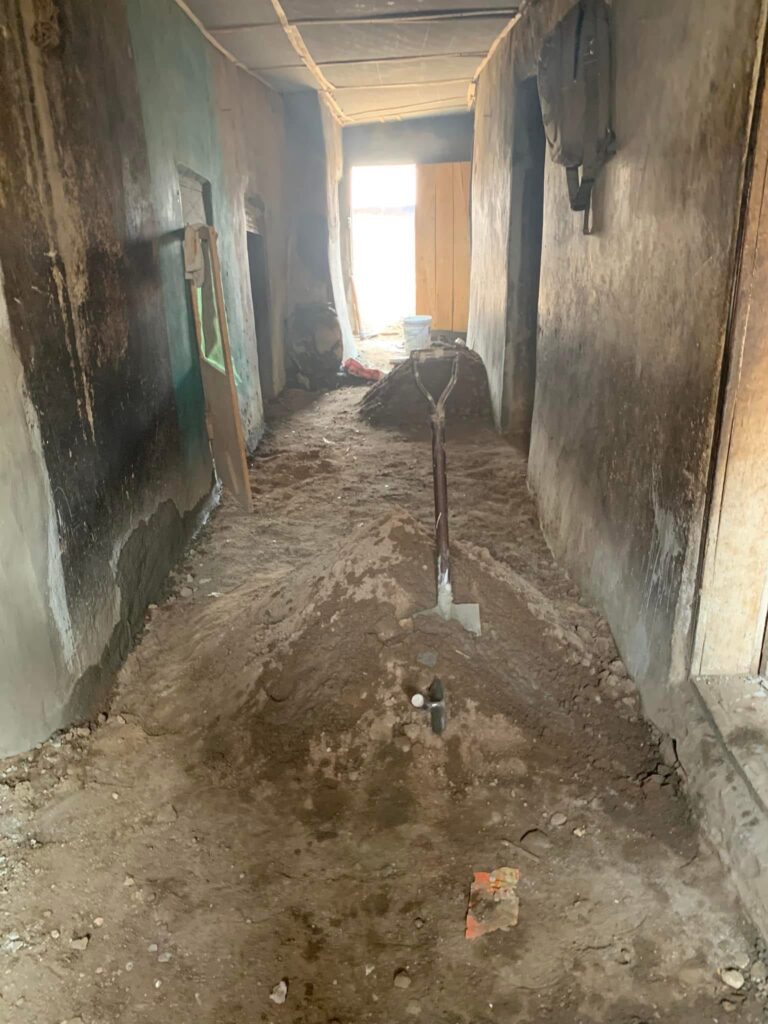
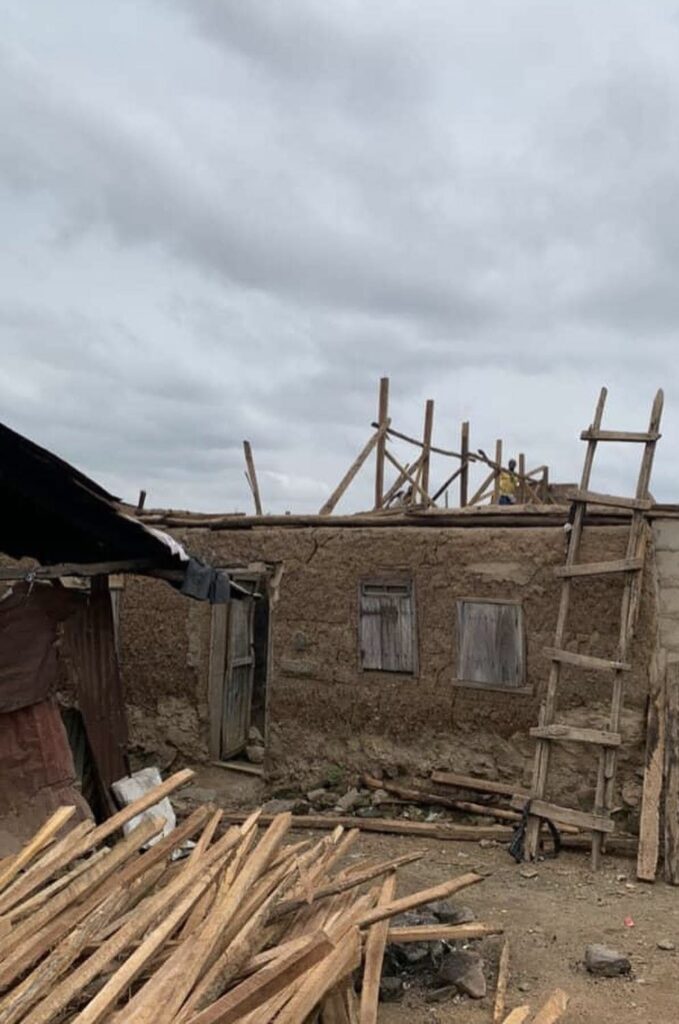
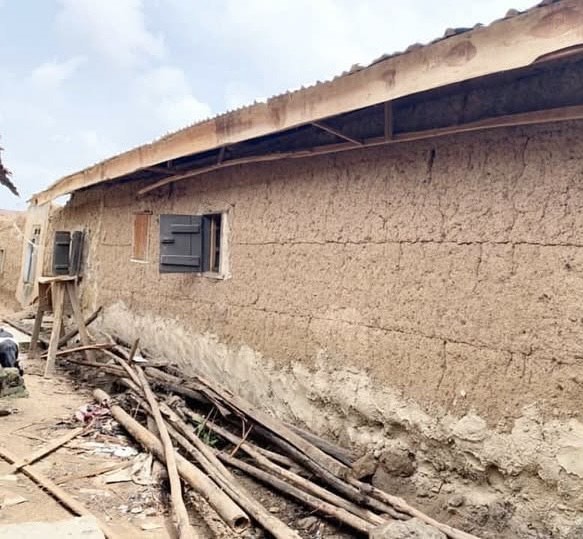
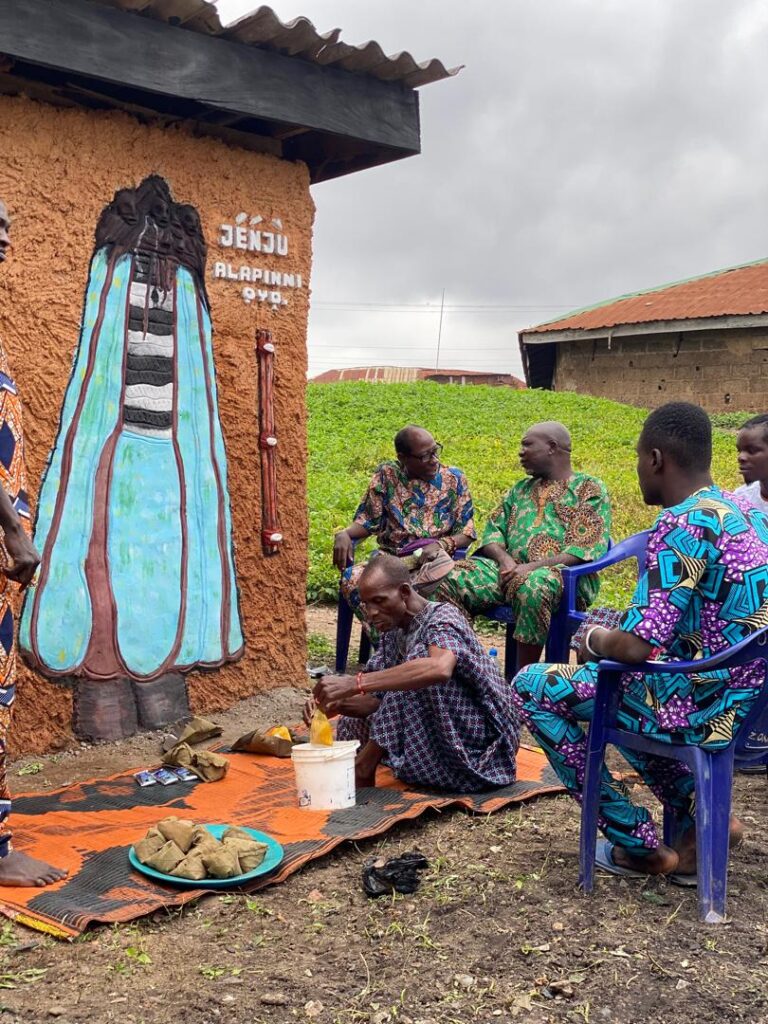
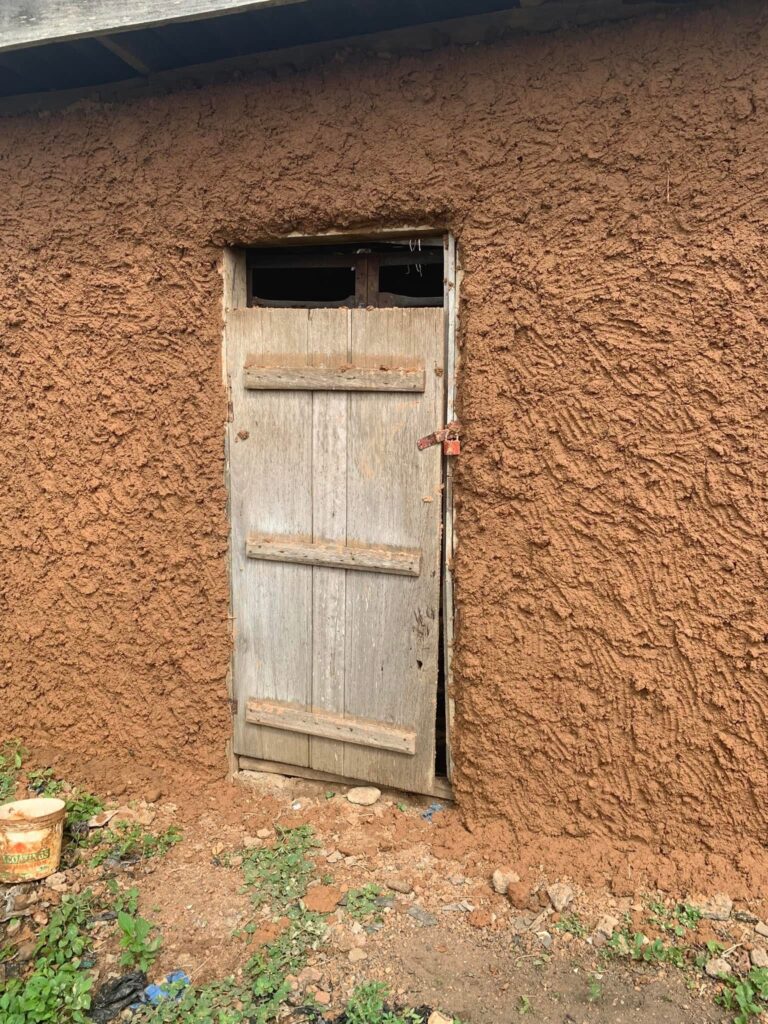
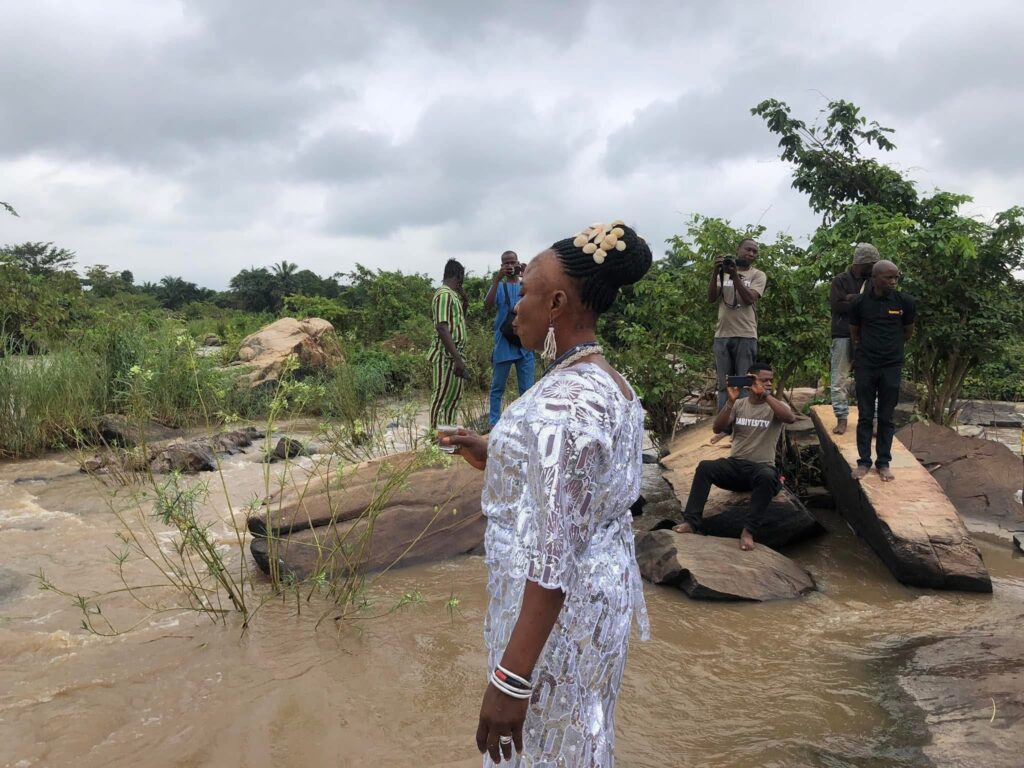
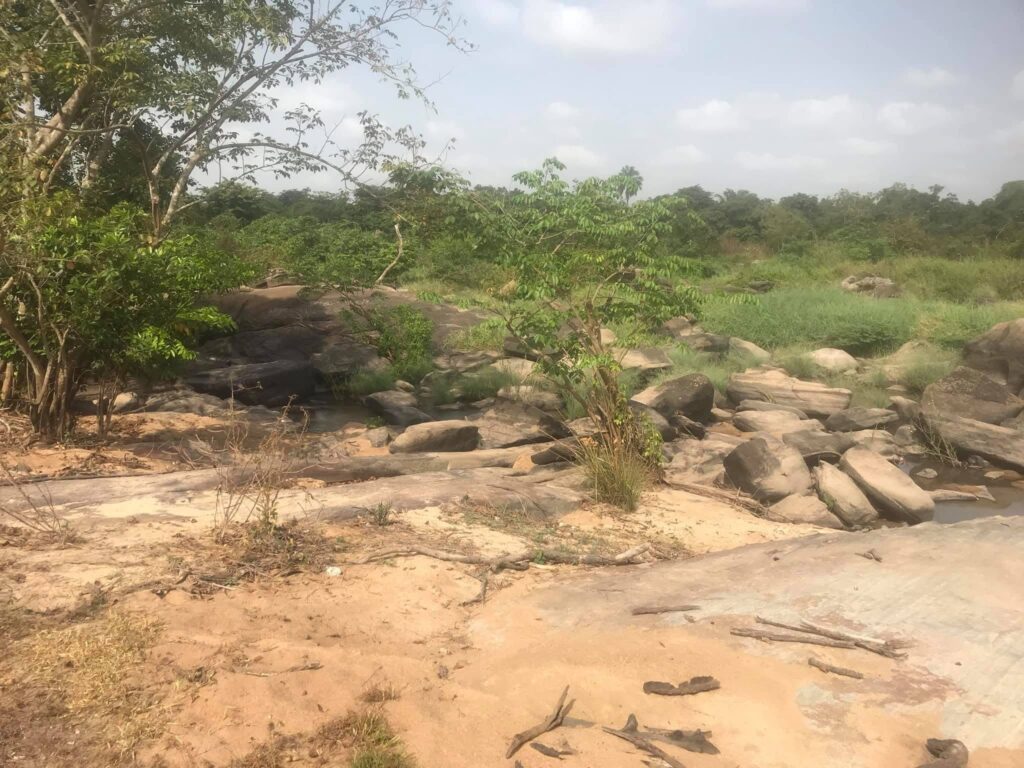
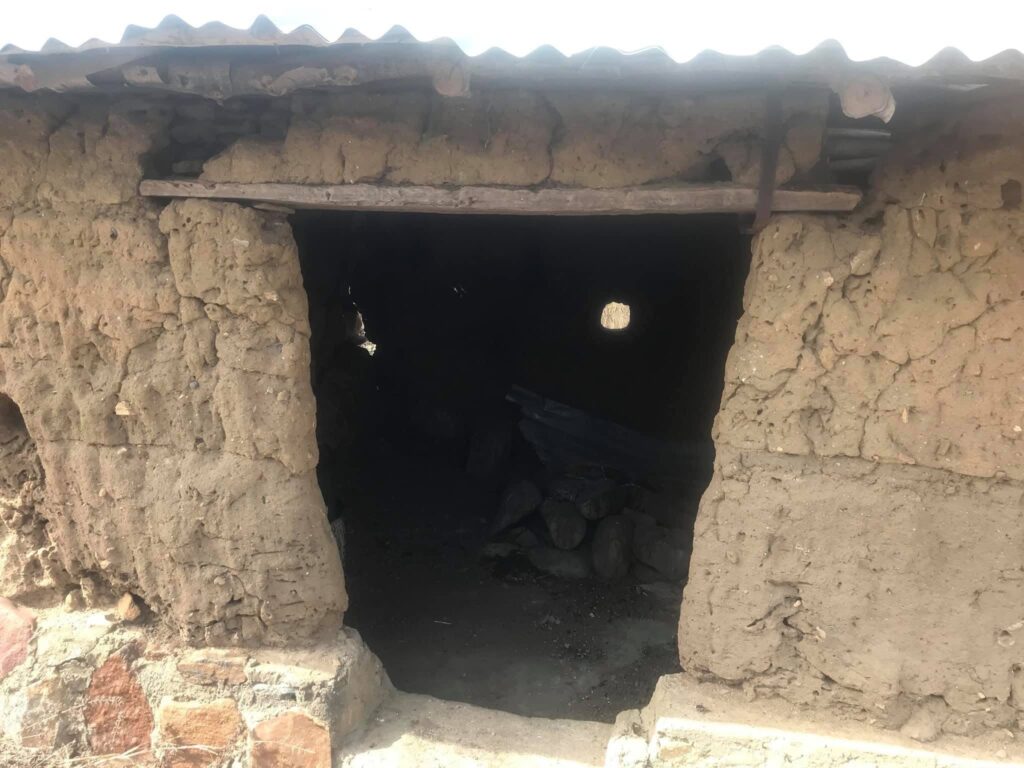
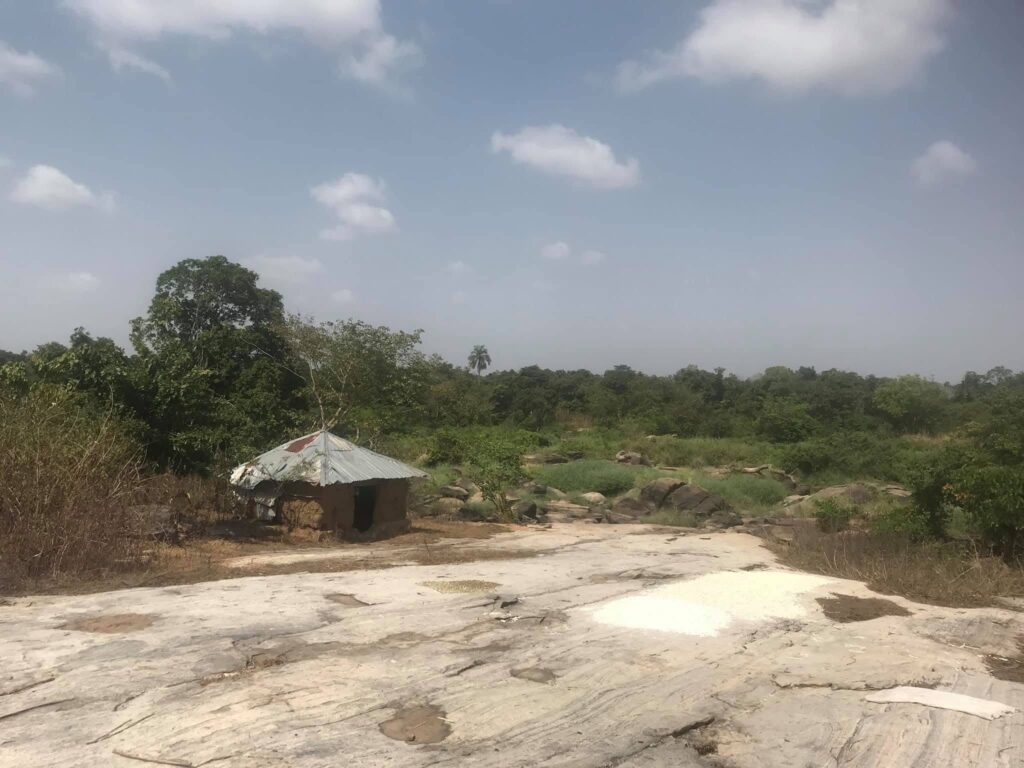
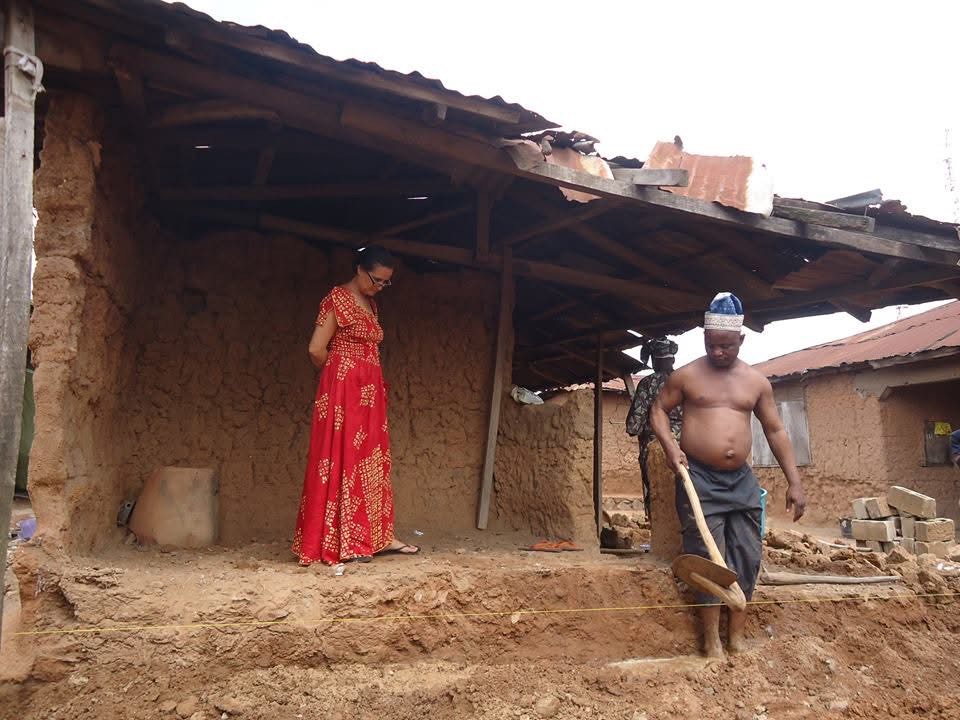
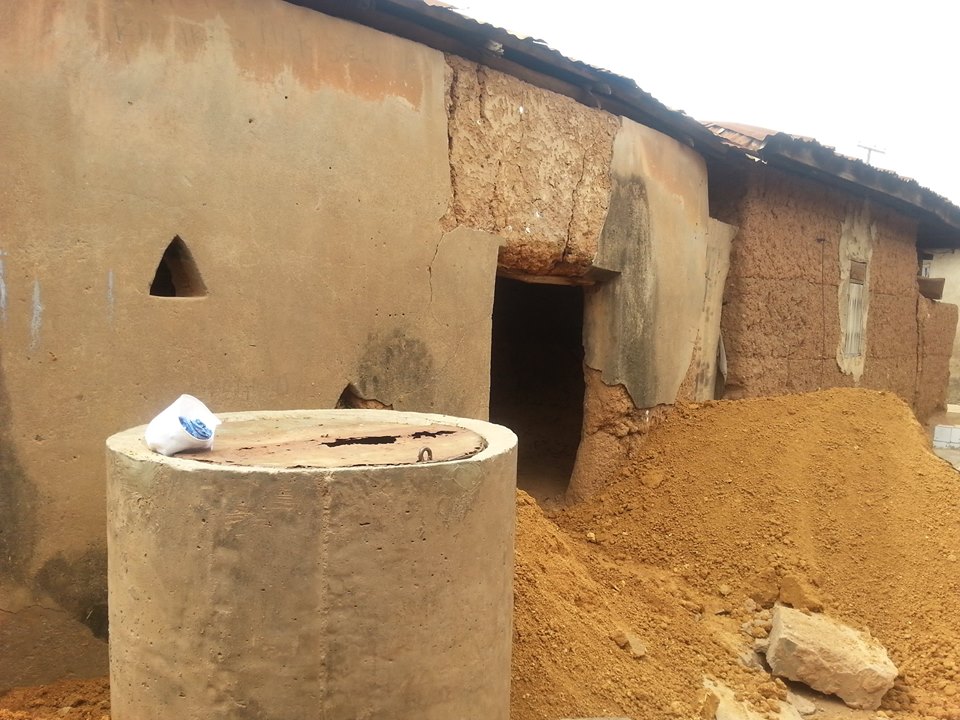
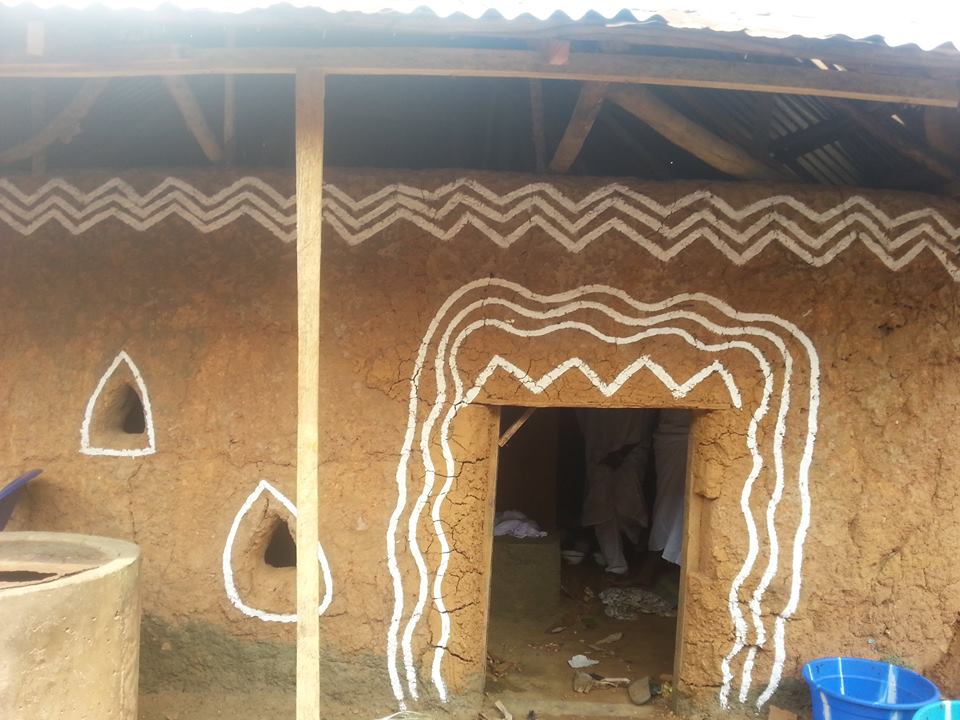
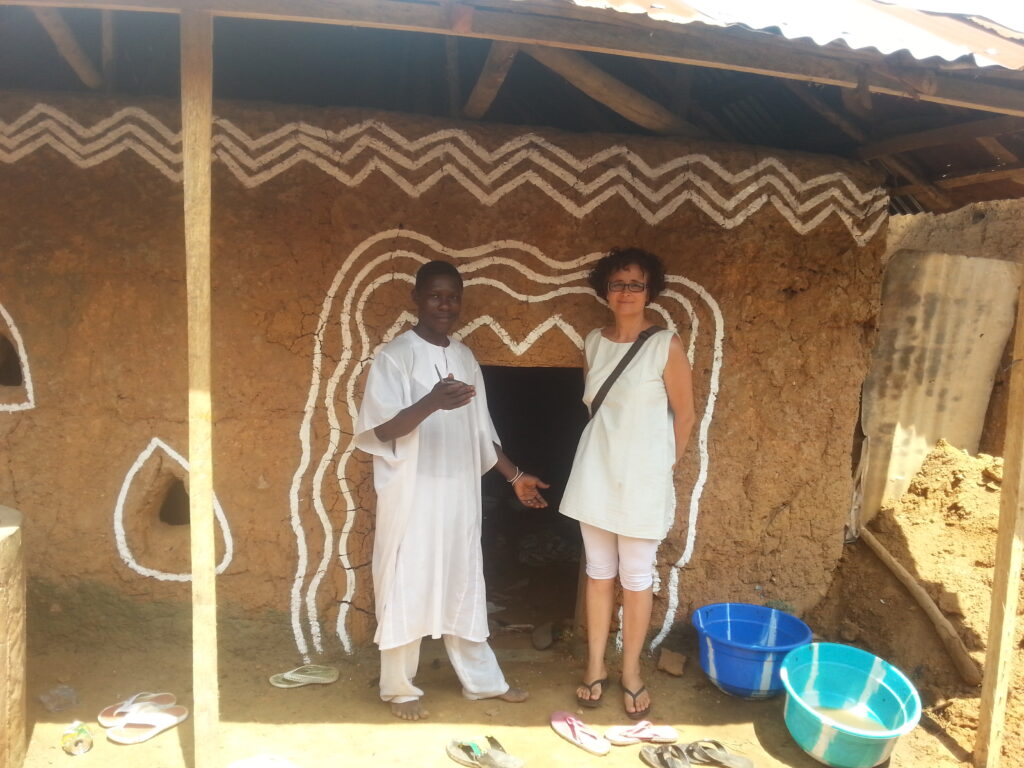
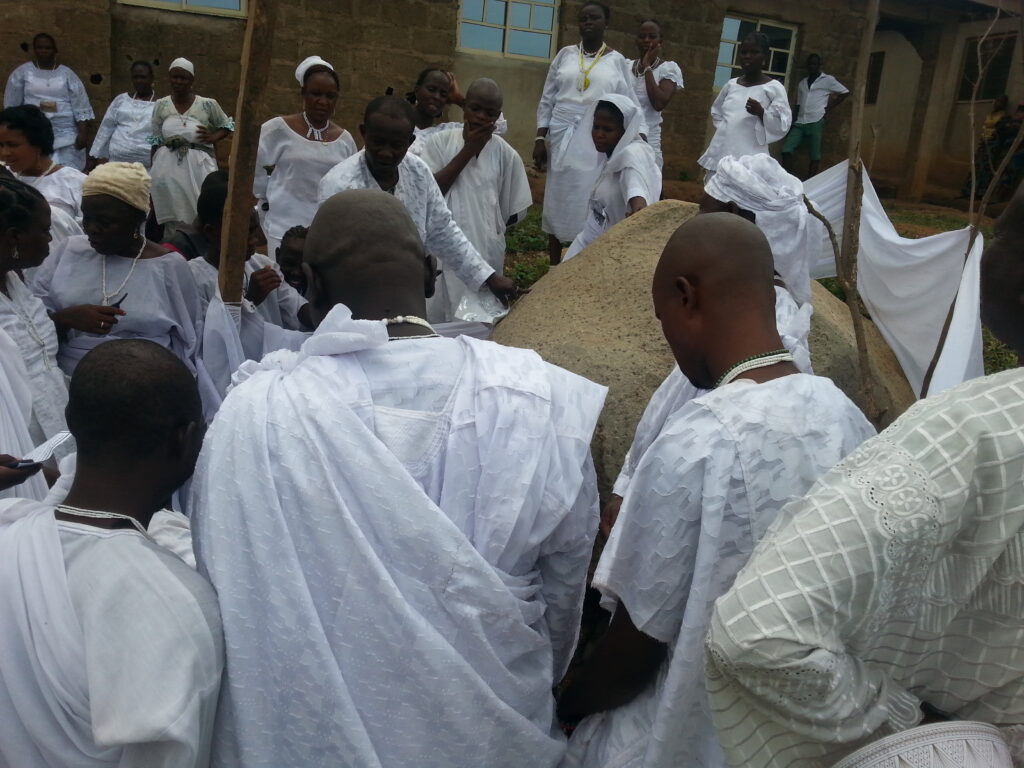
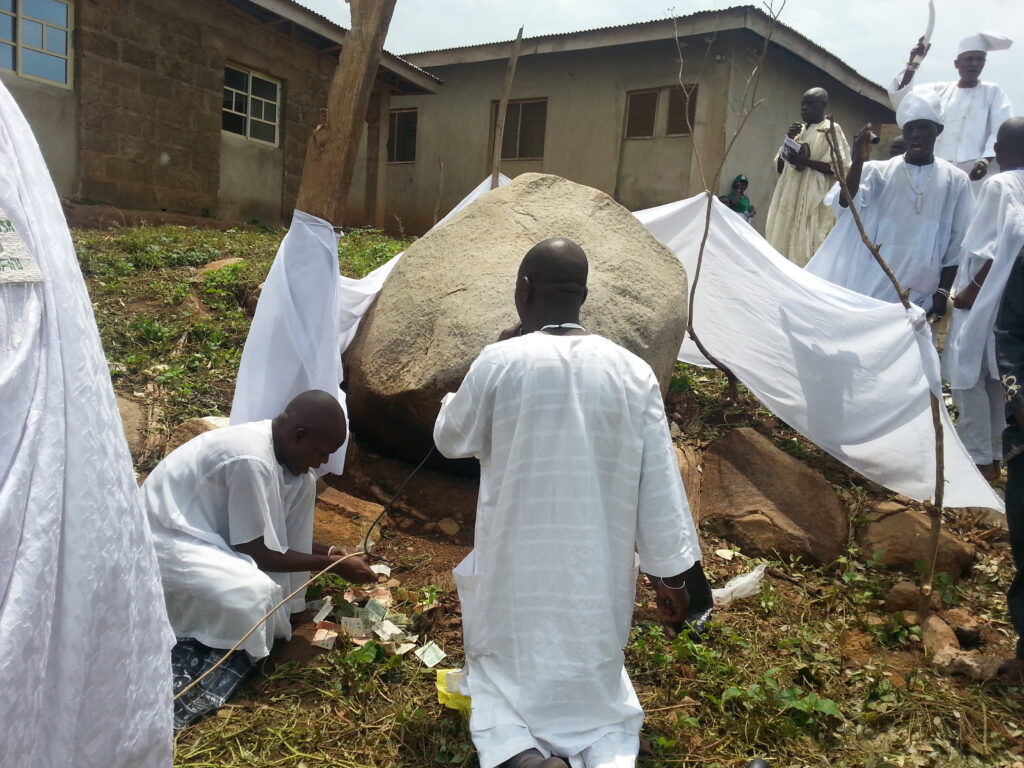
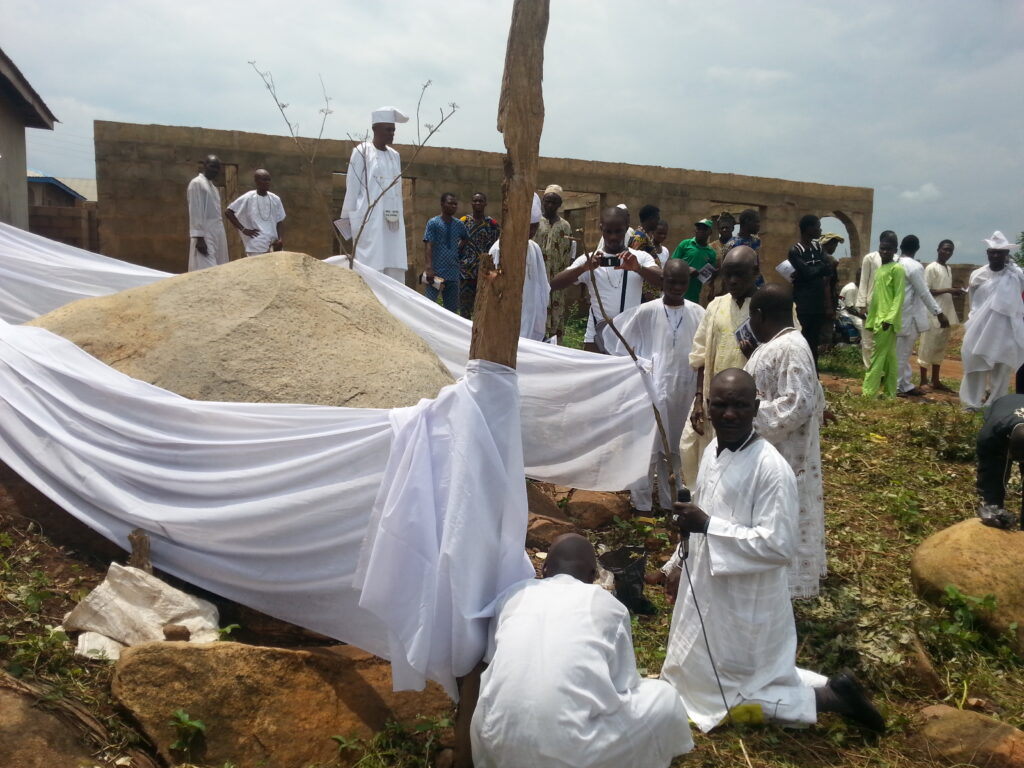
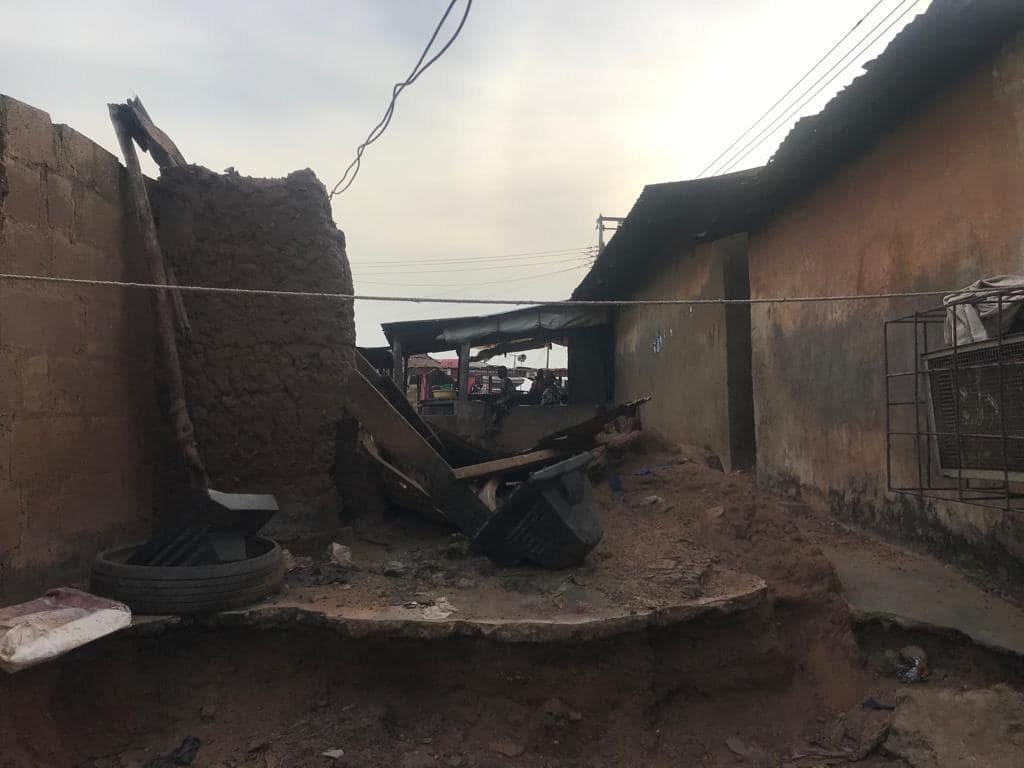
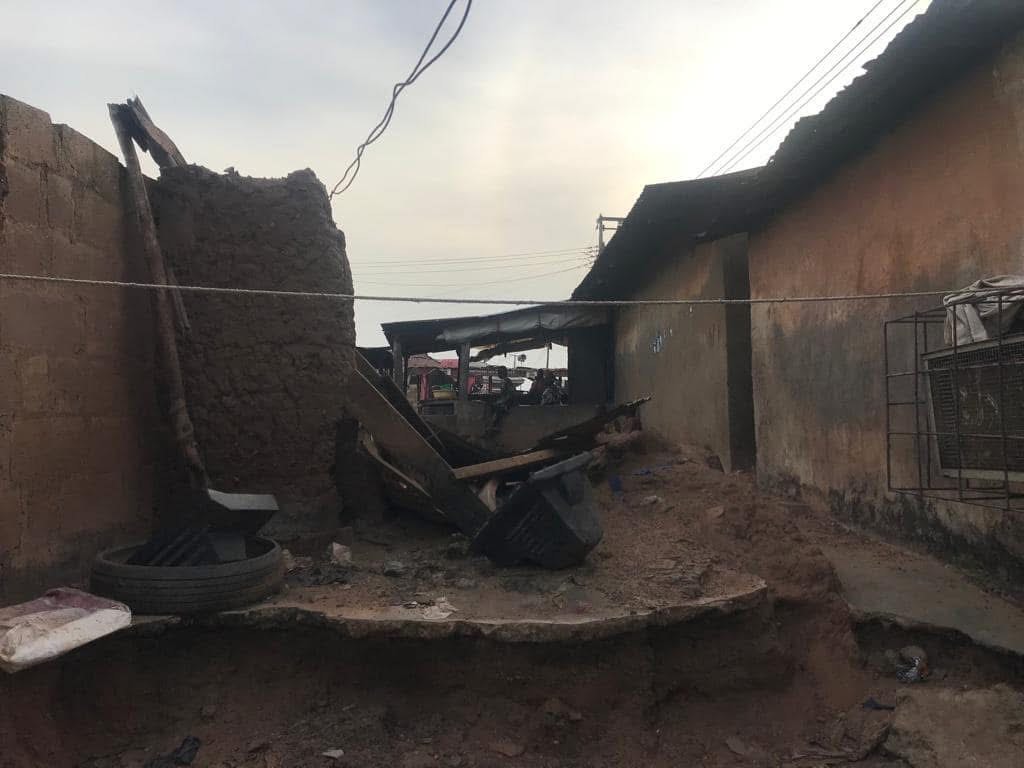
In 2013 the work started by identifying the monuments. These monuments were abandoned and in a state of decay in need of urgent restoration and conservation interventions.
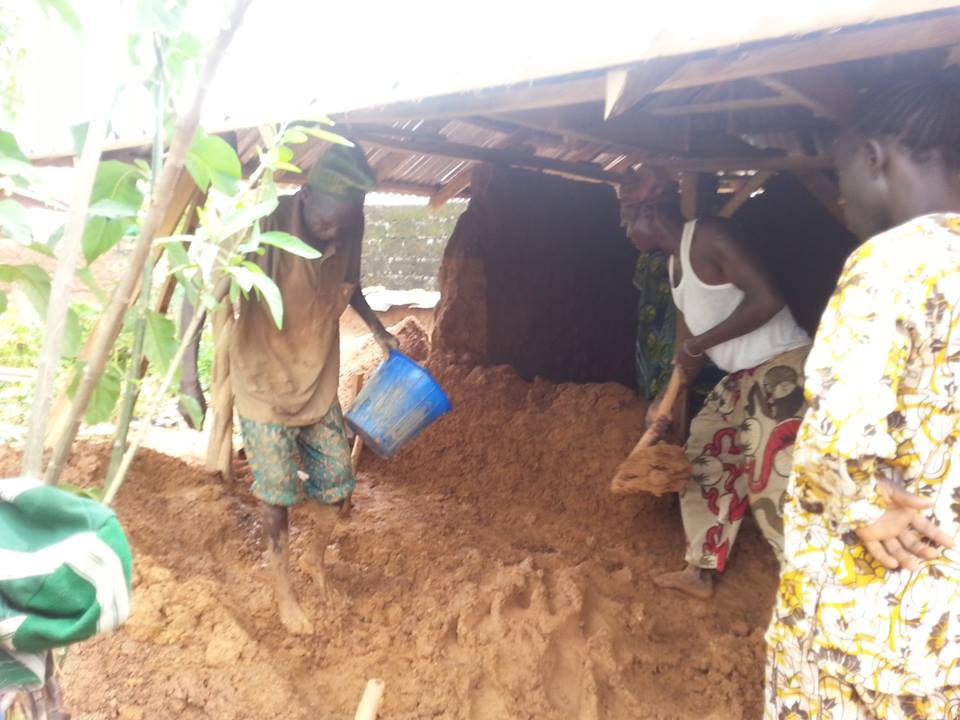
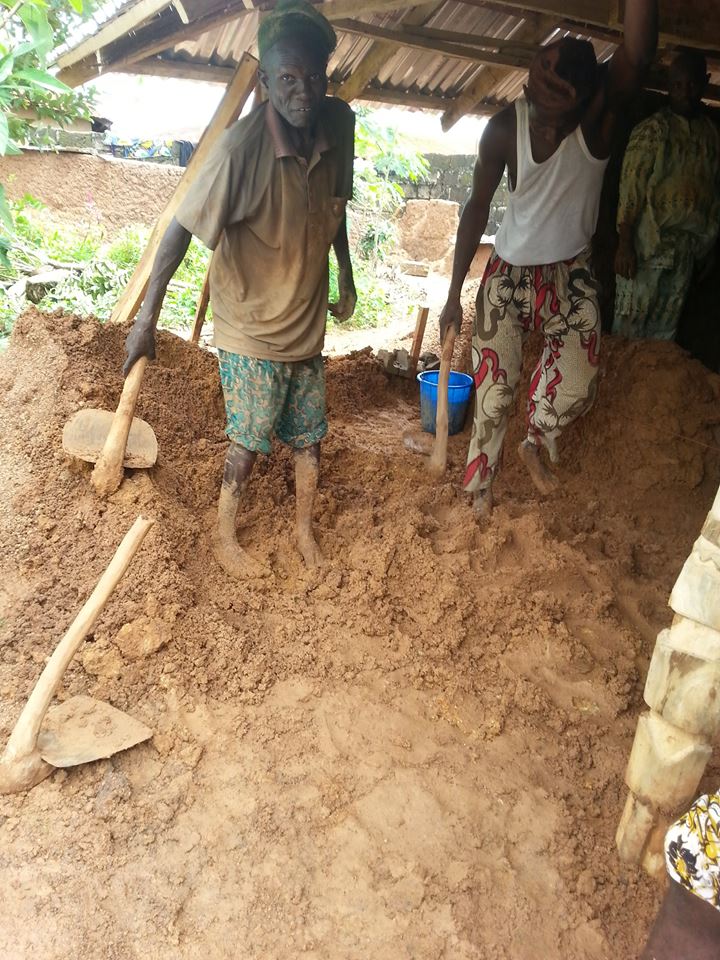
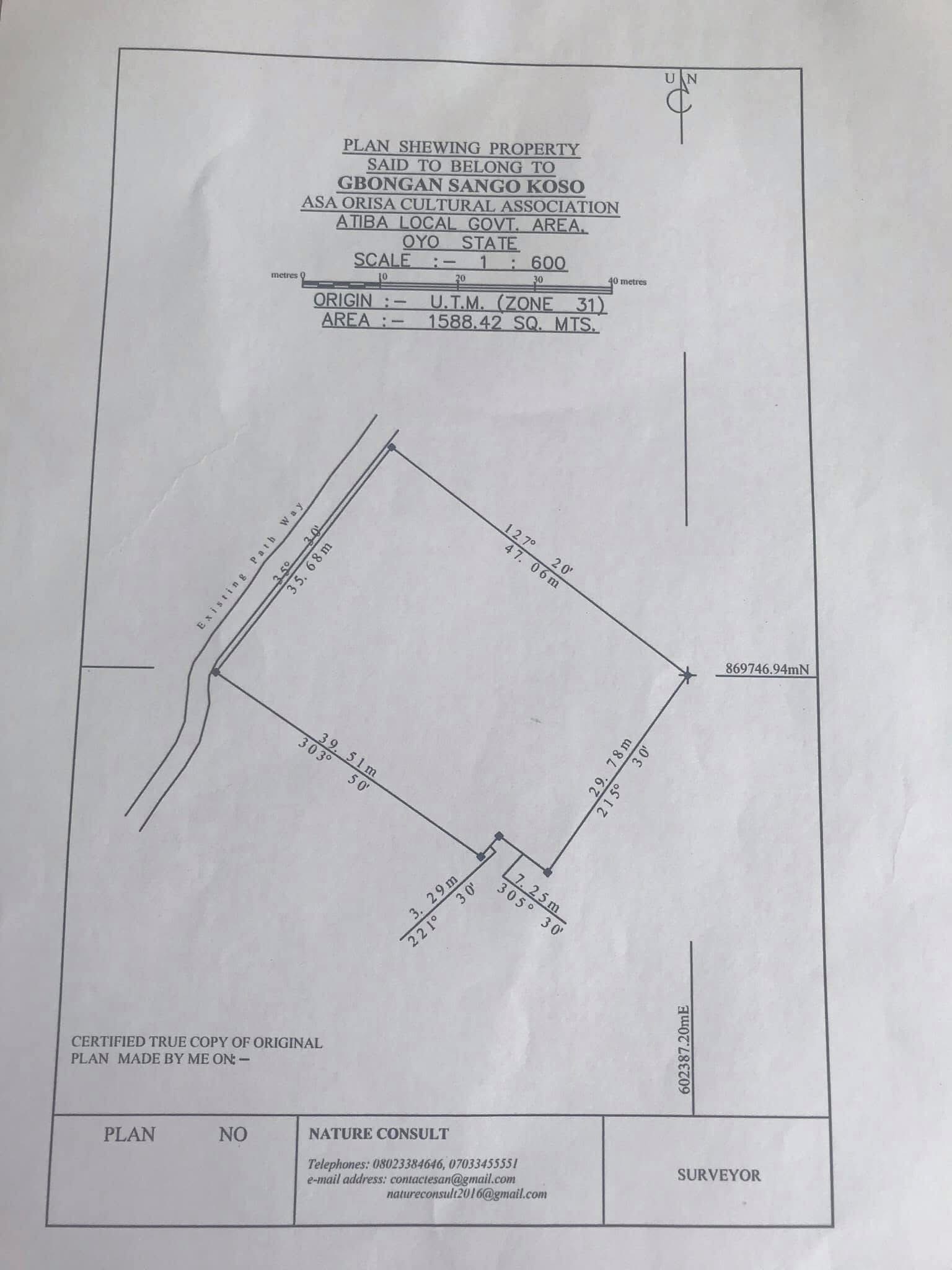
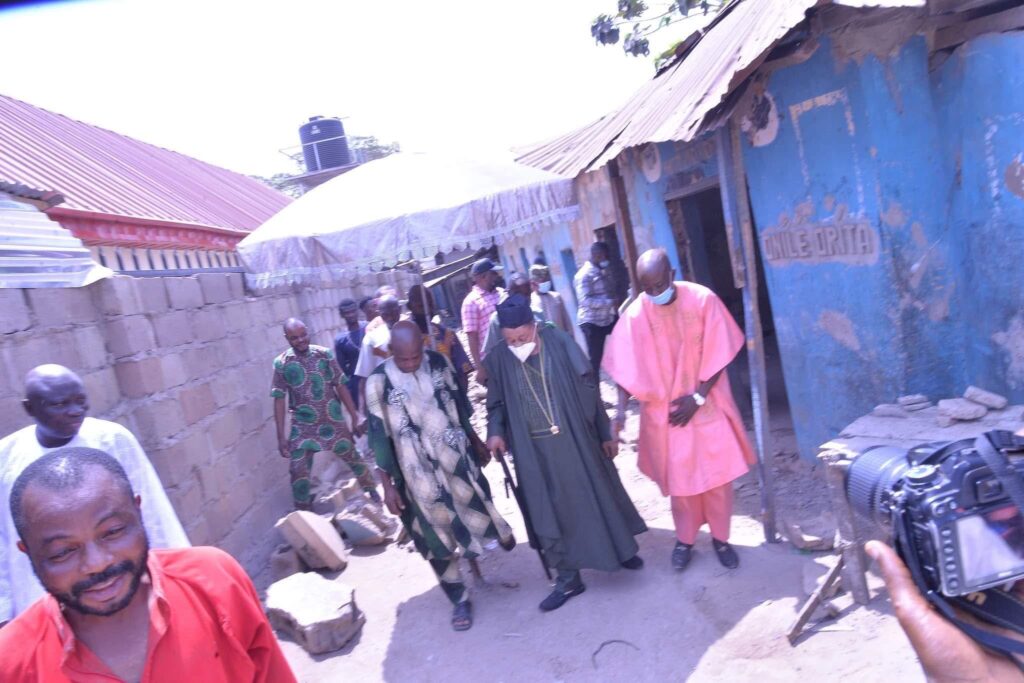
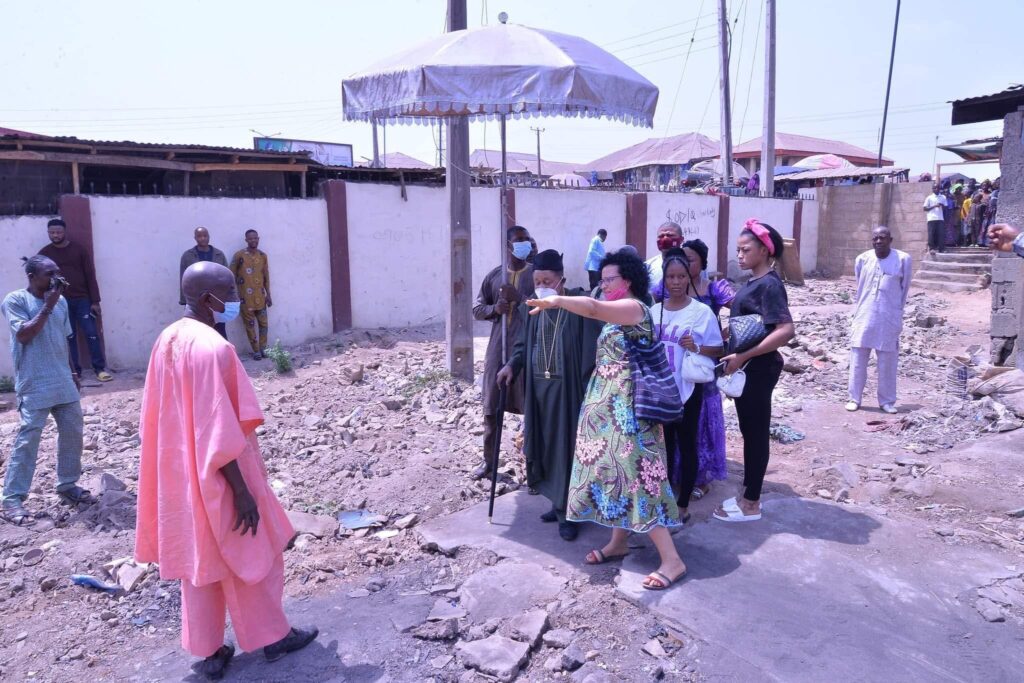
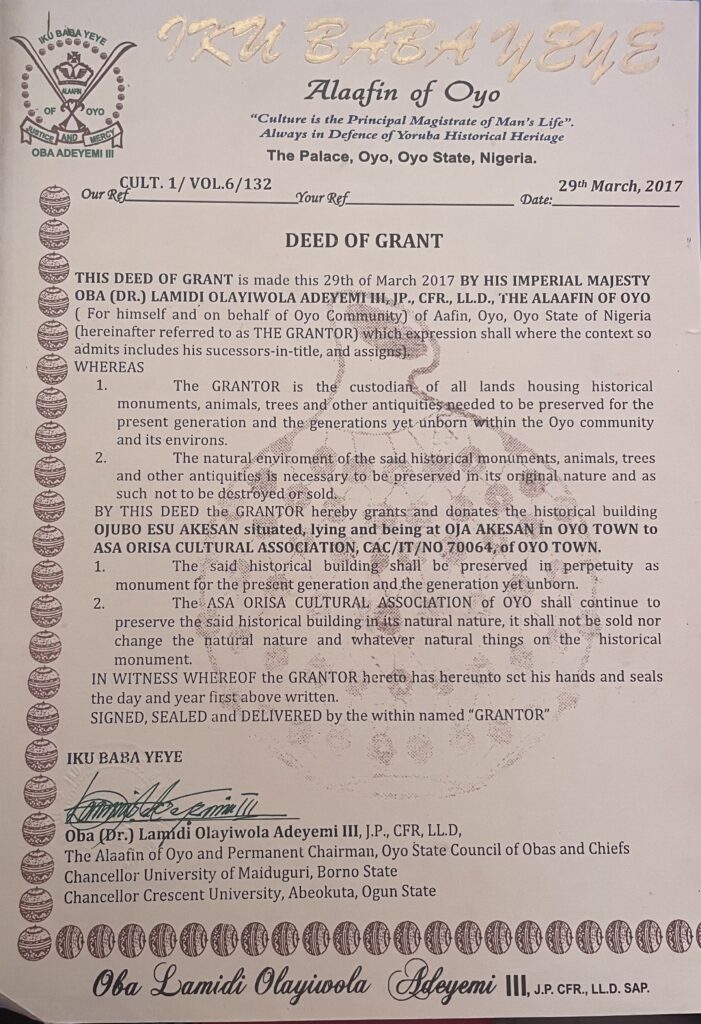
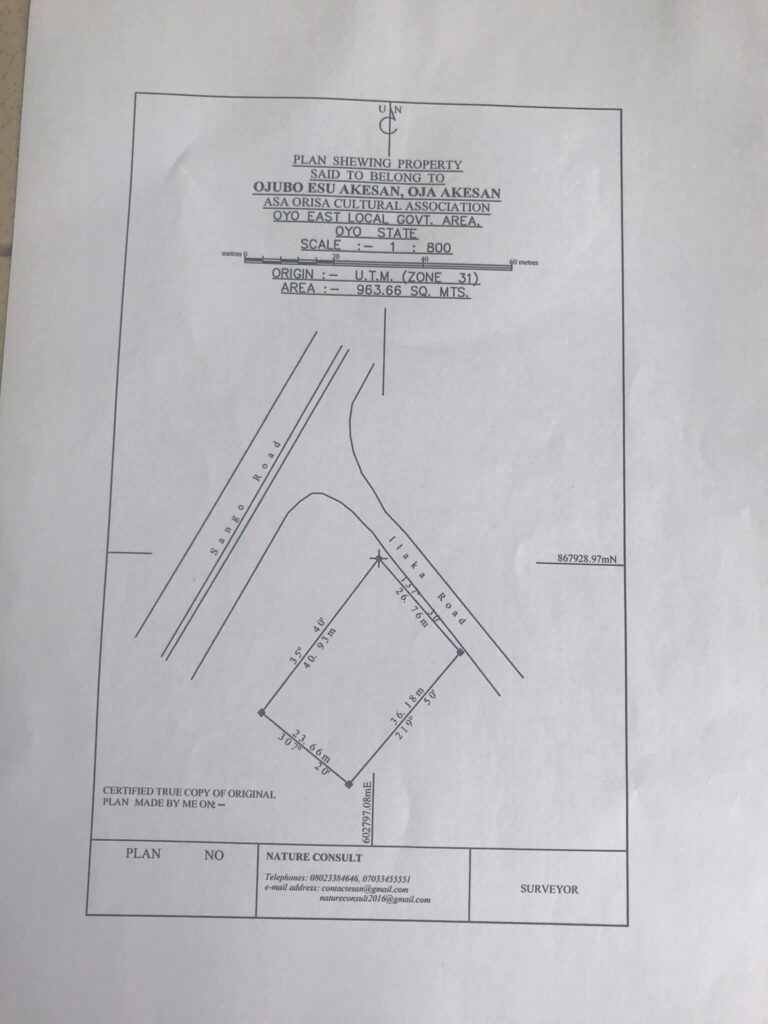
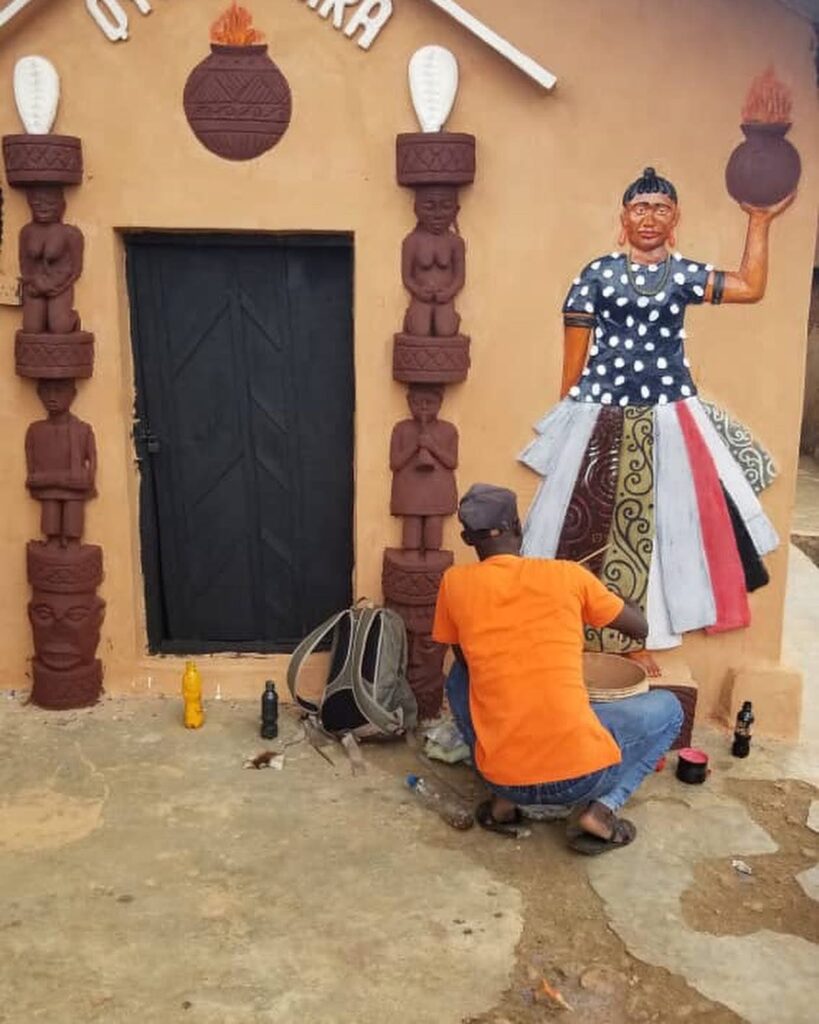
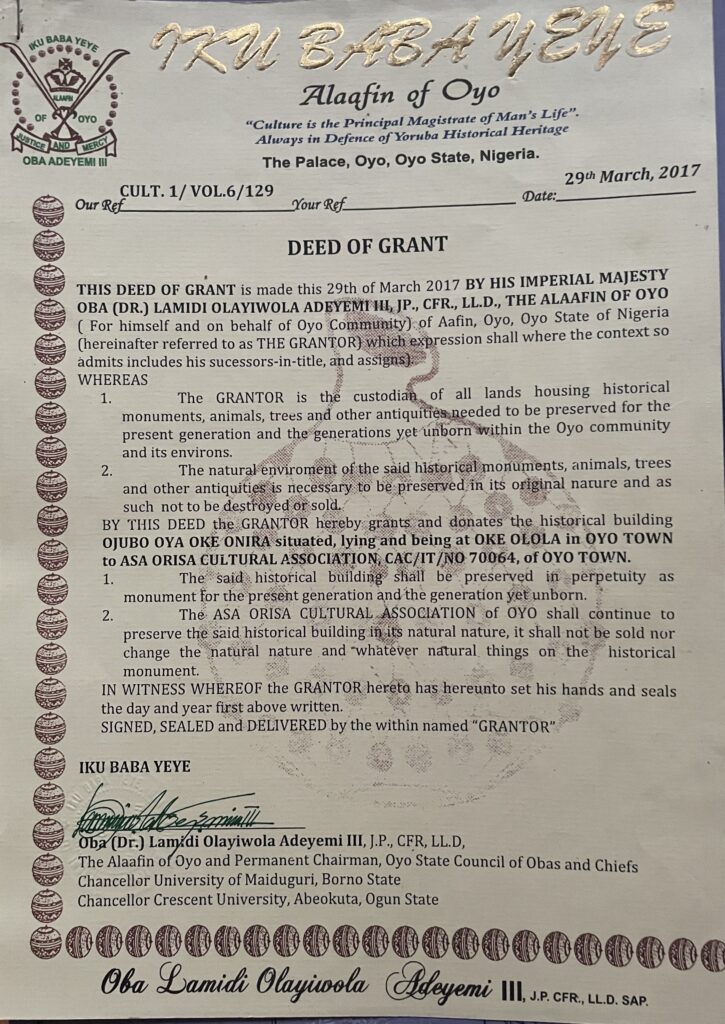
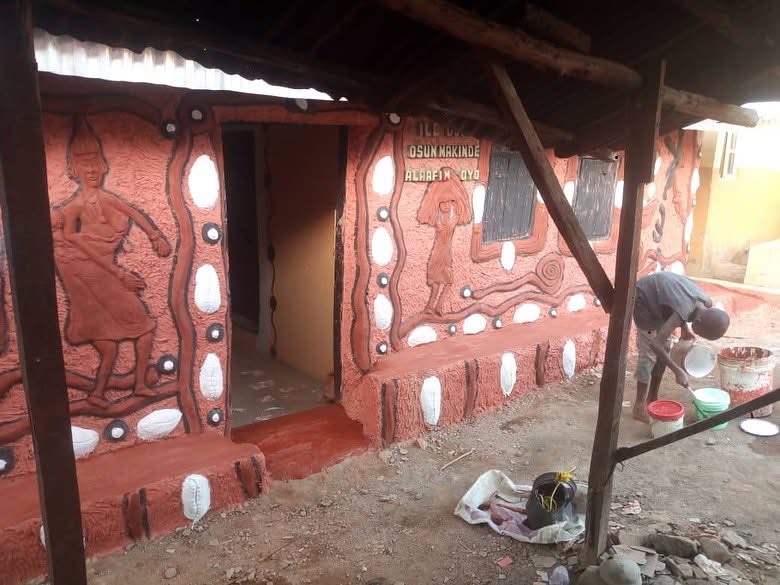
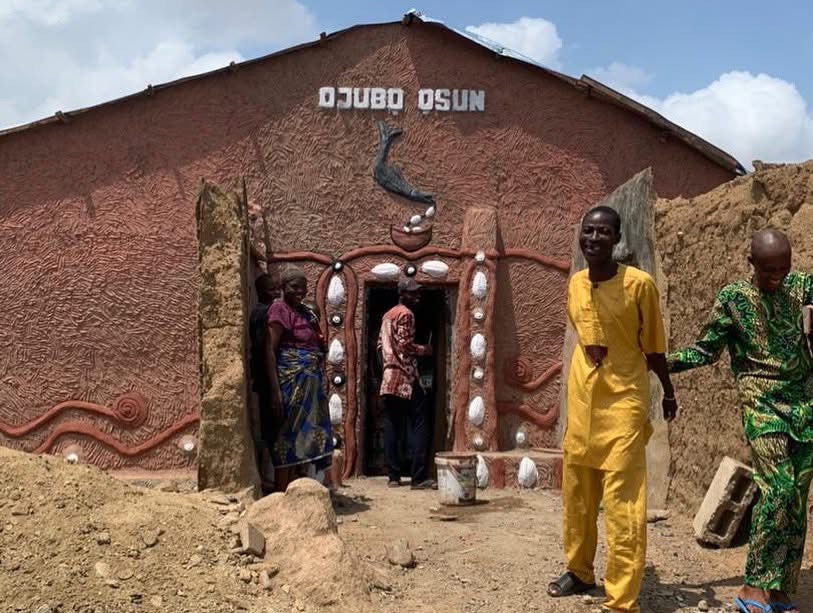
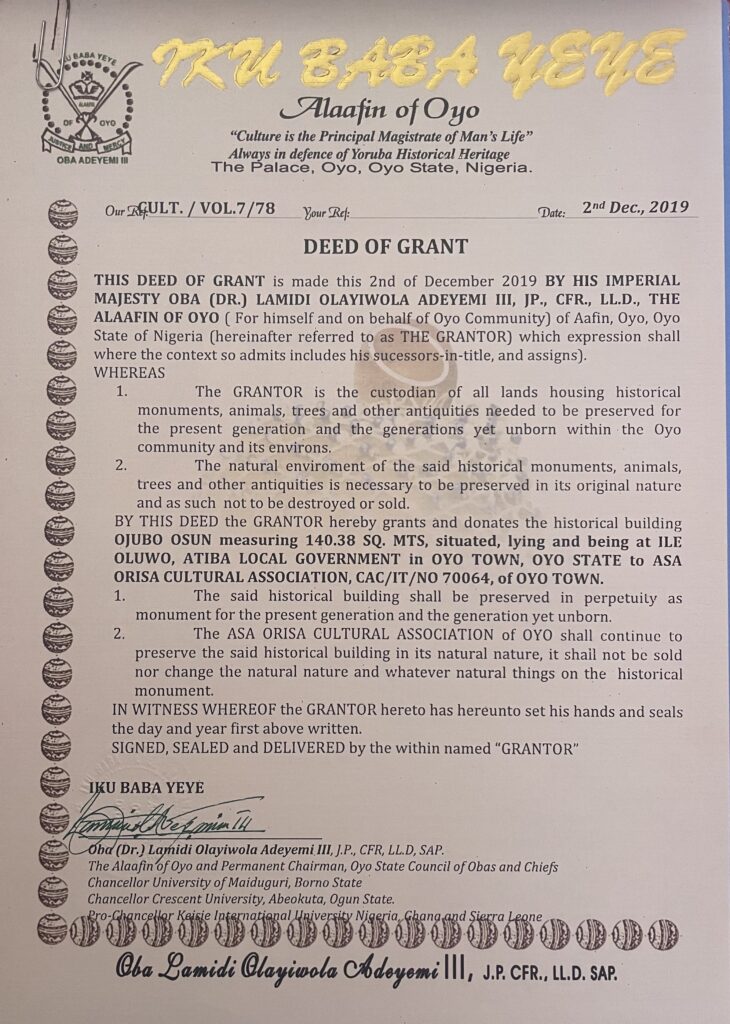
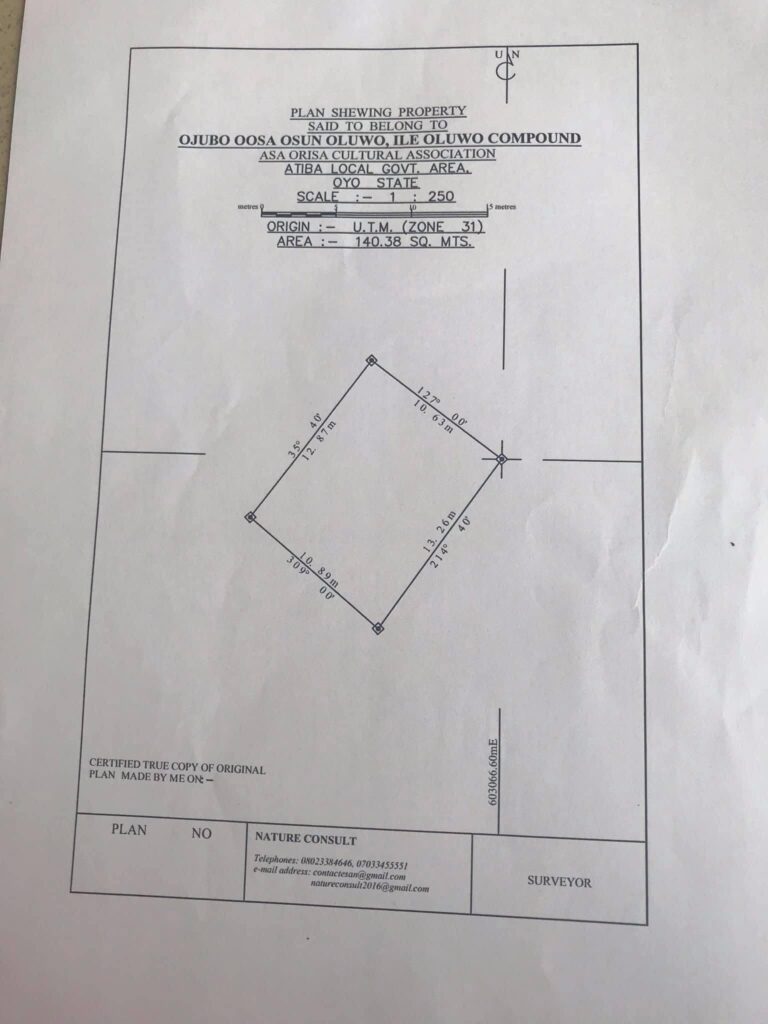
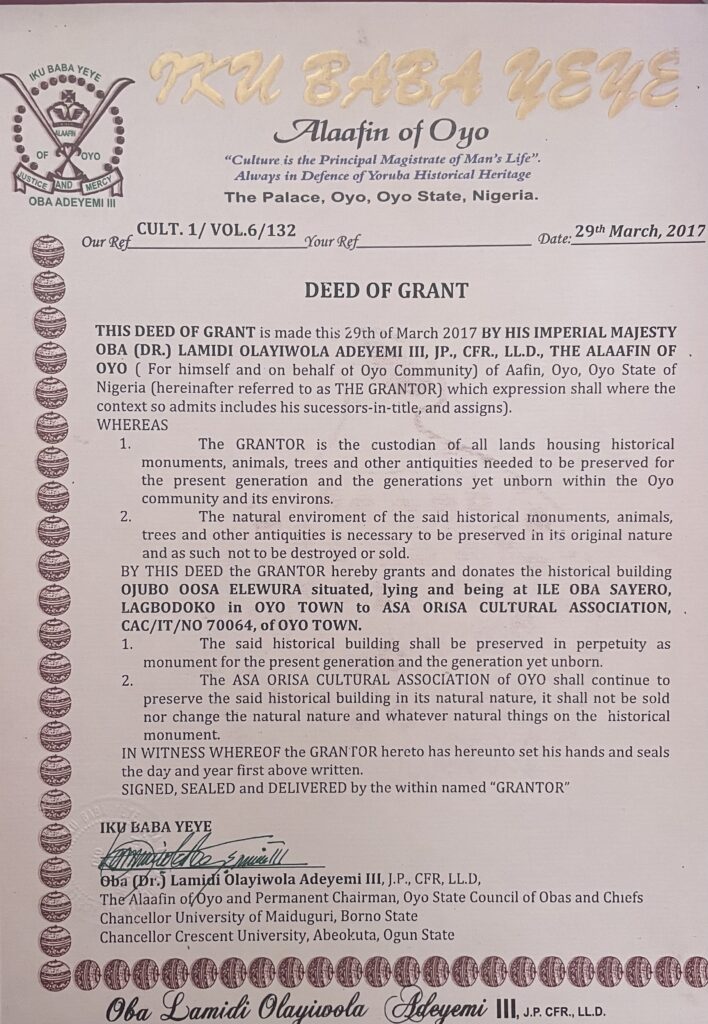
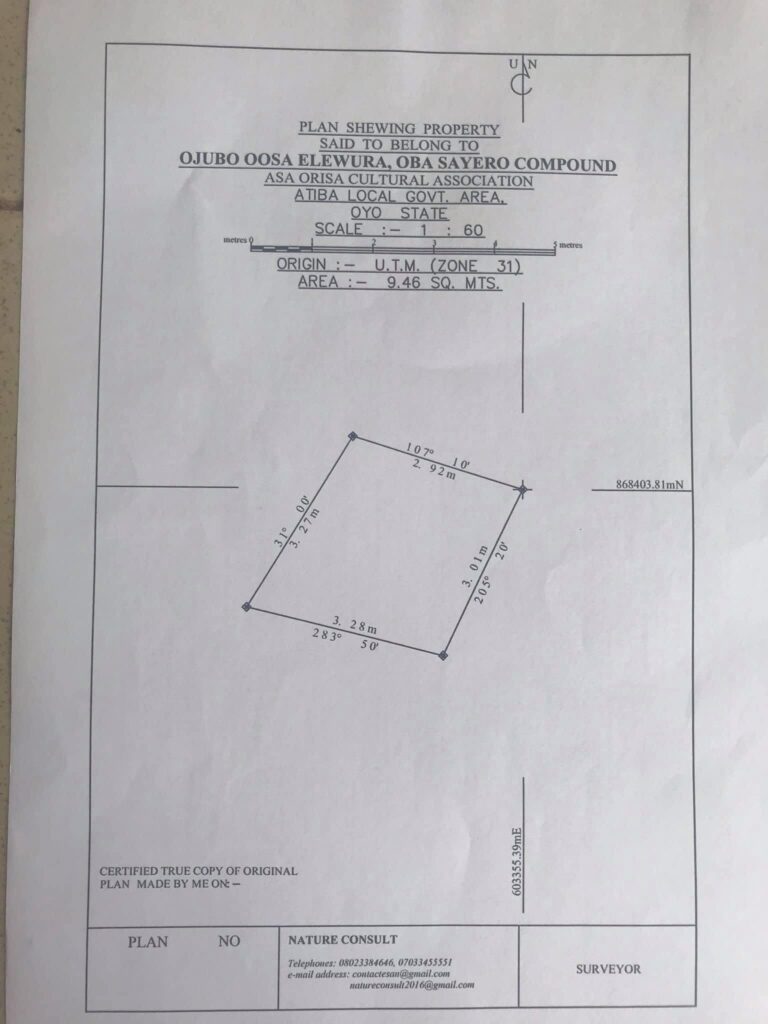
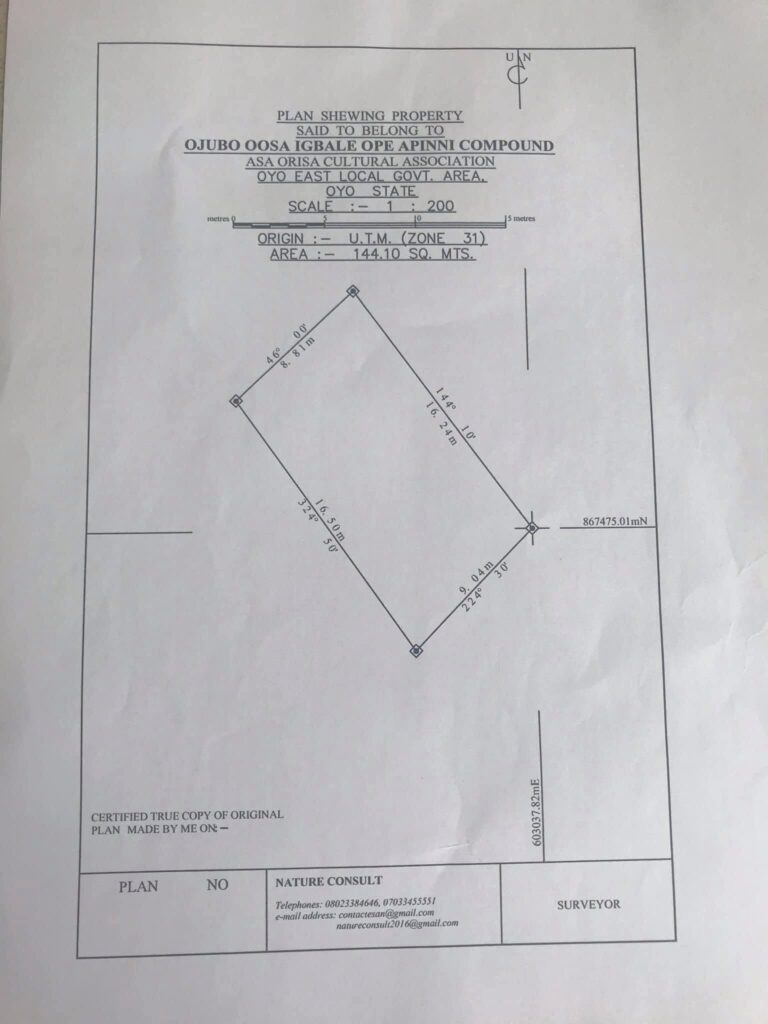
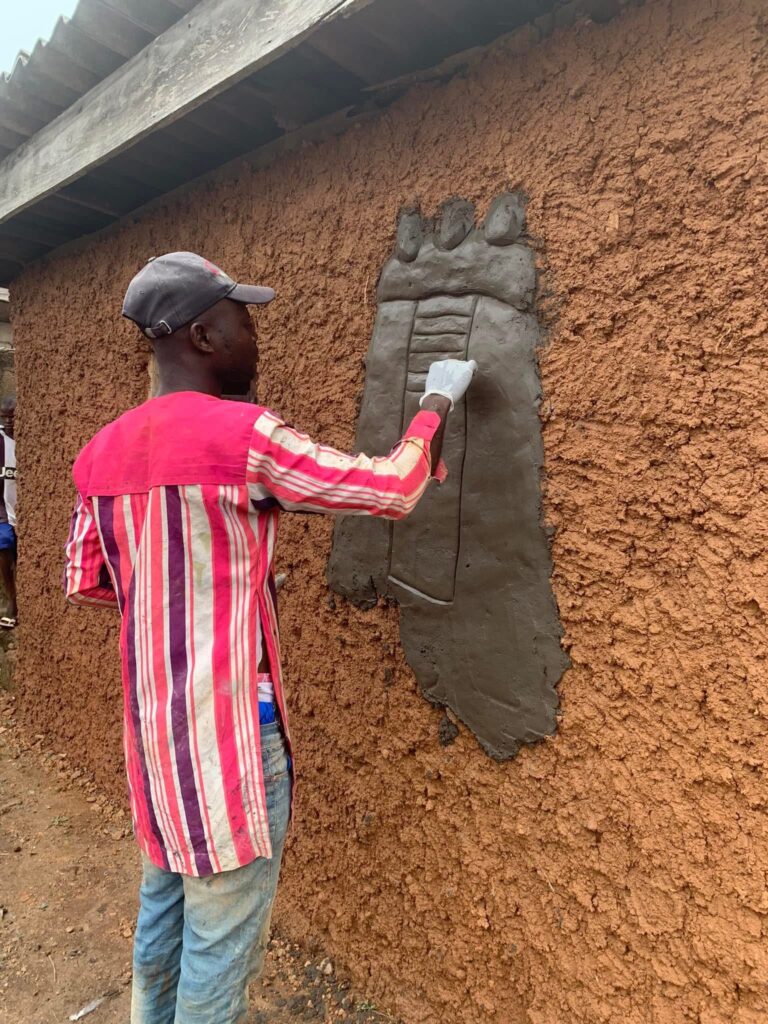
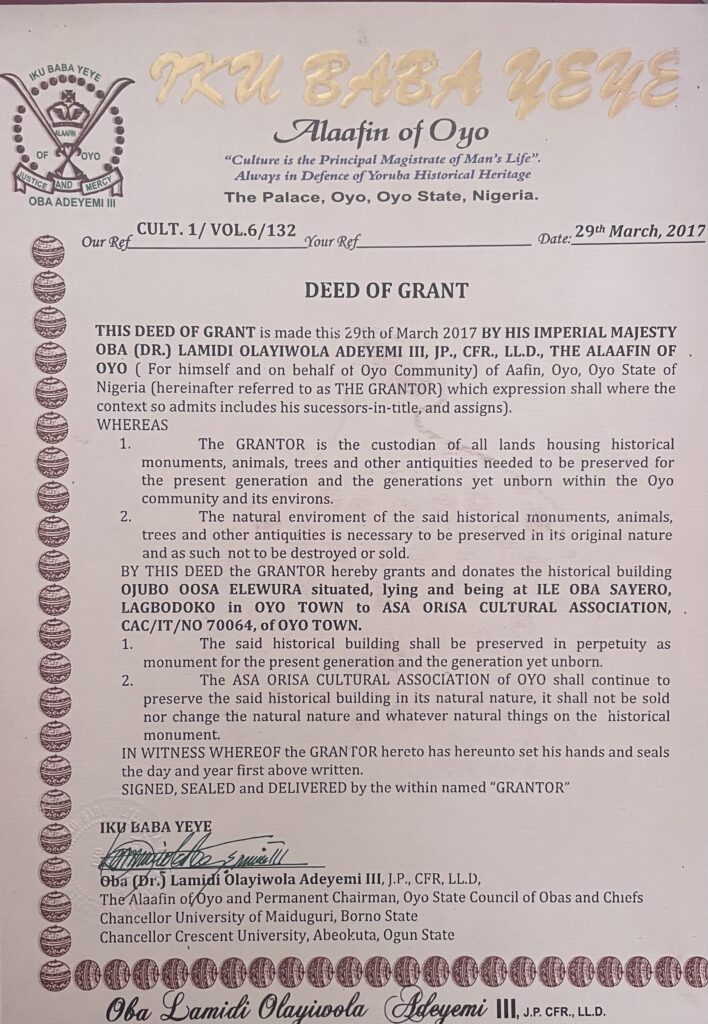
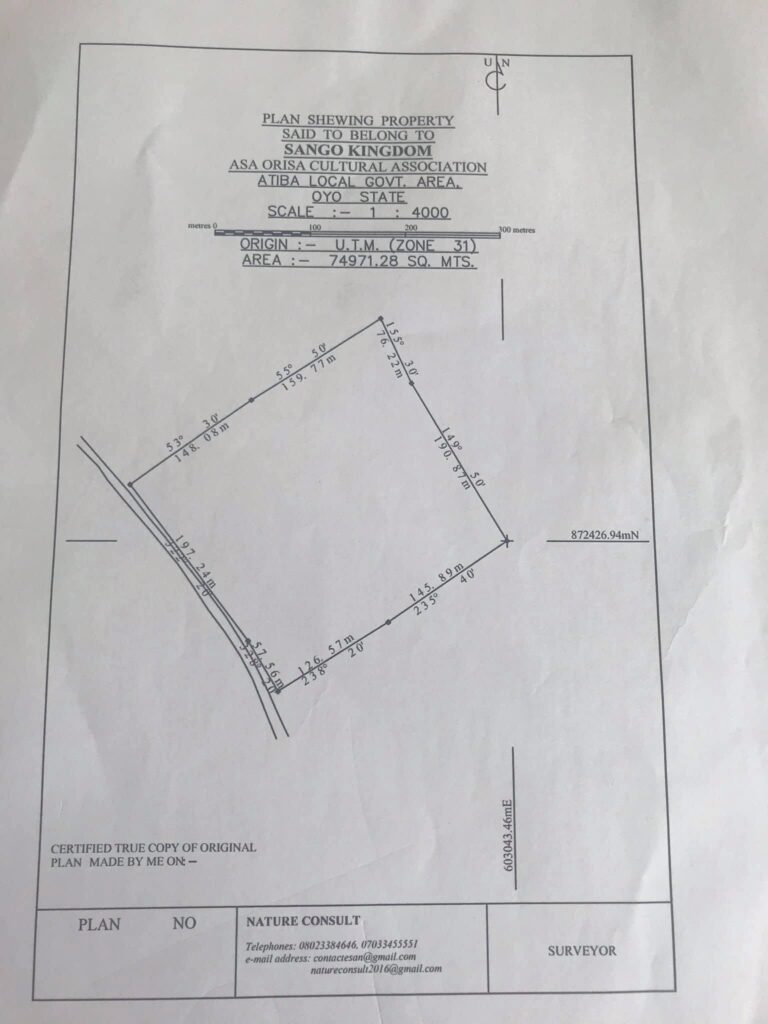
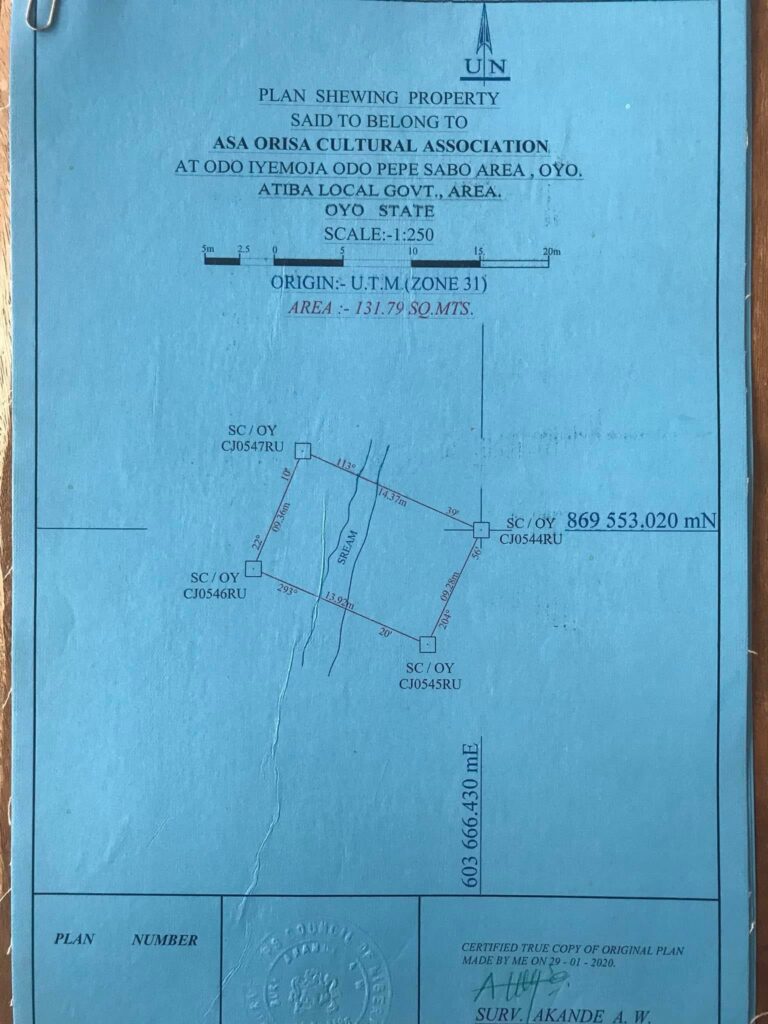
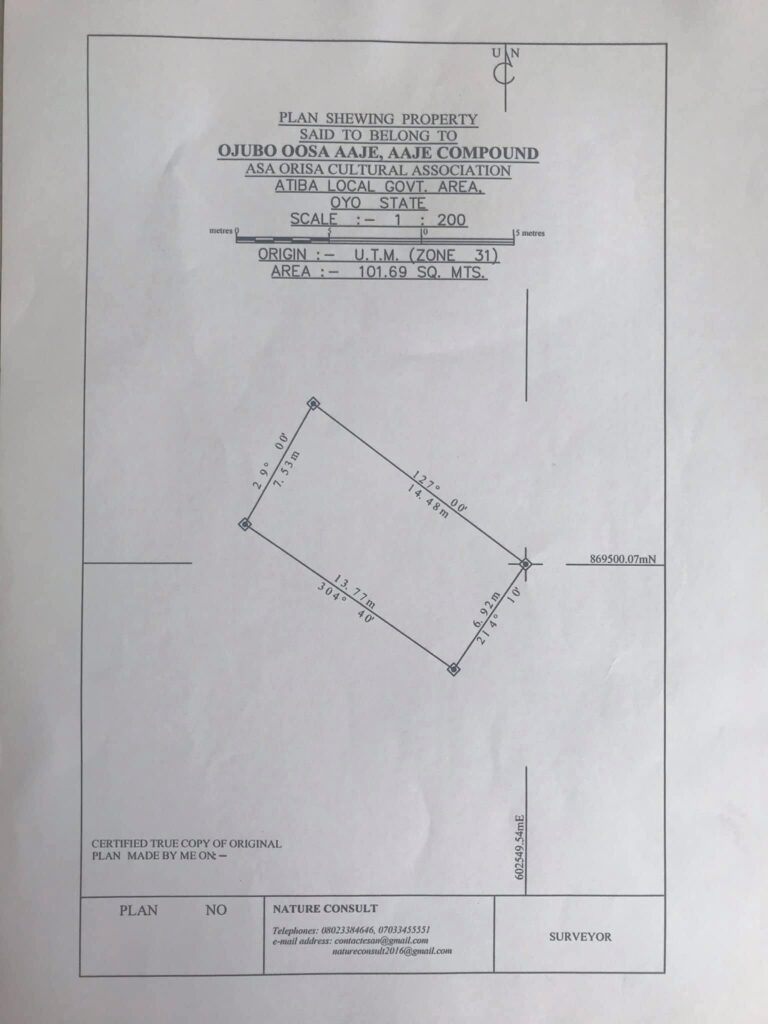
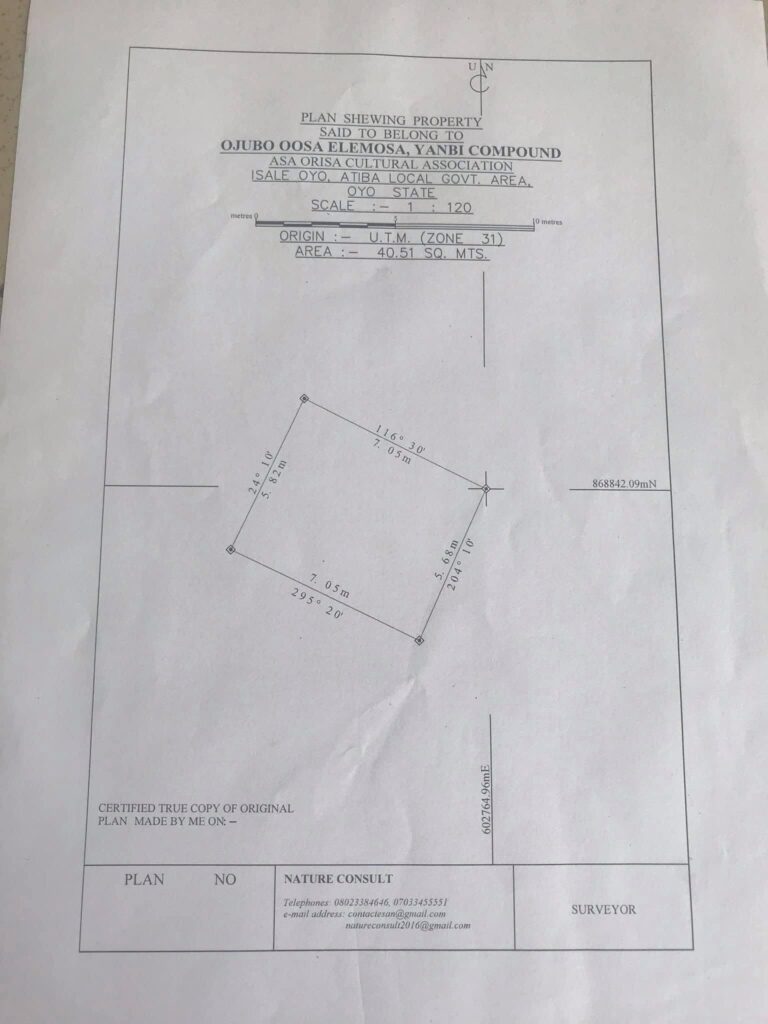
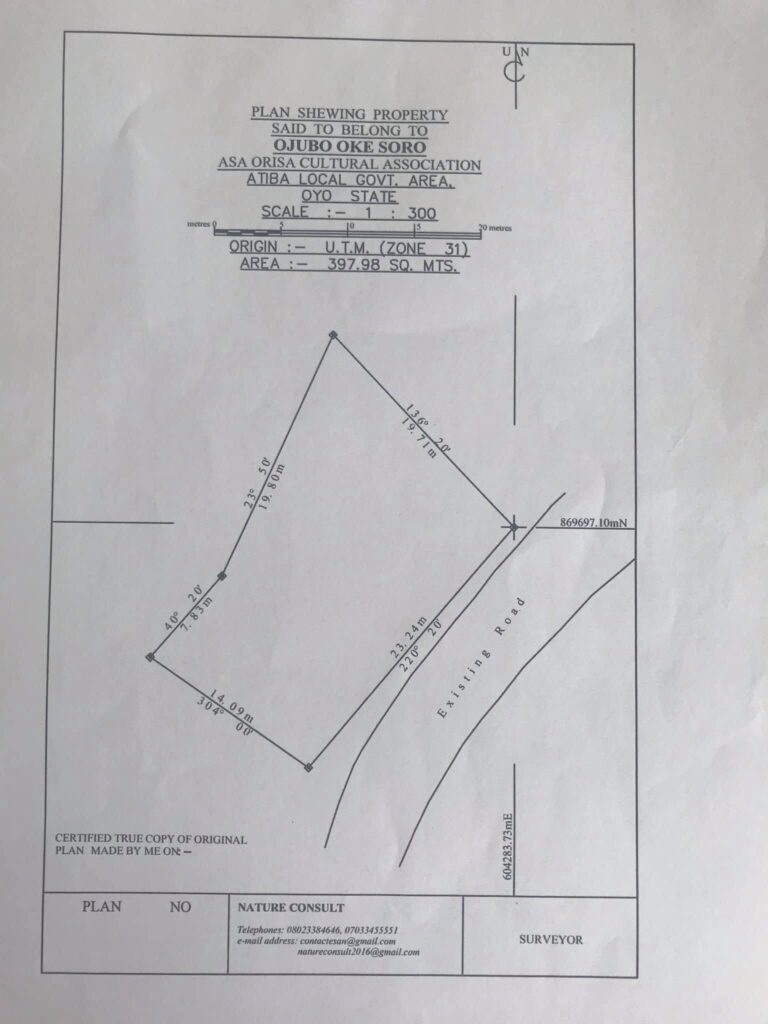
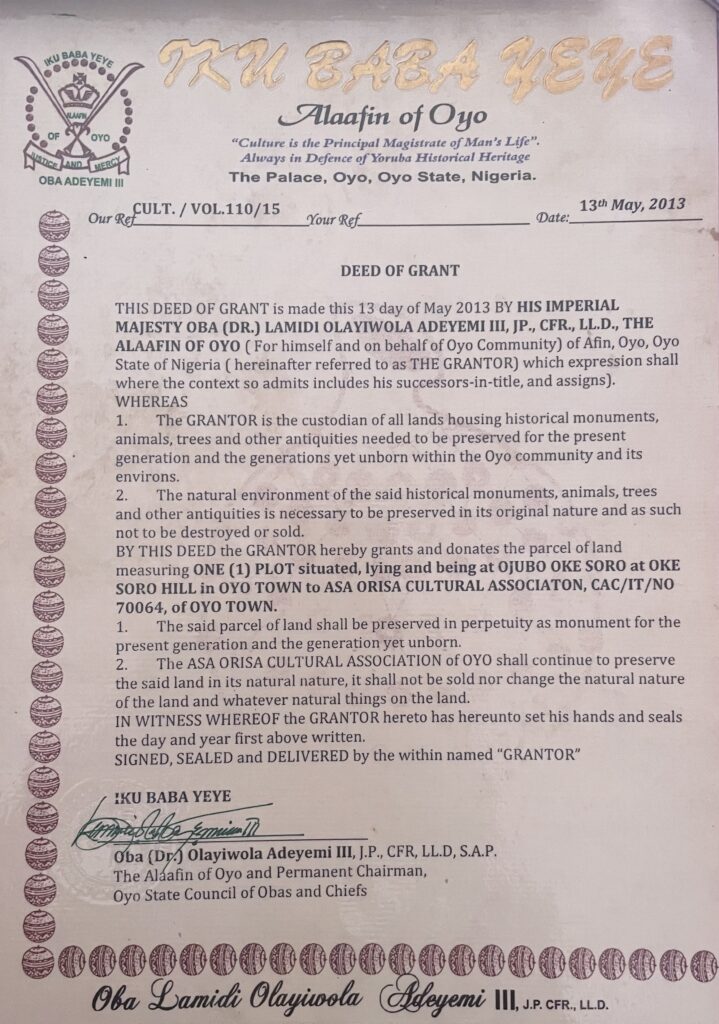
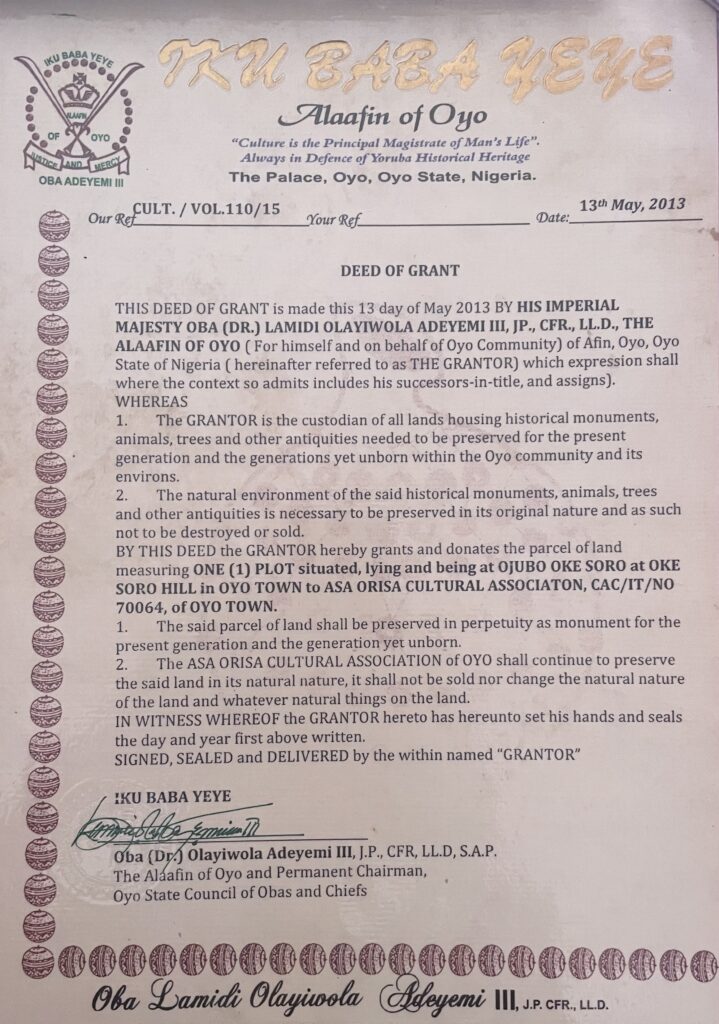
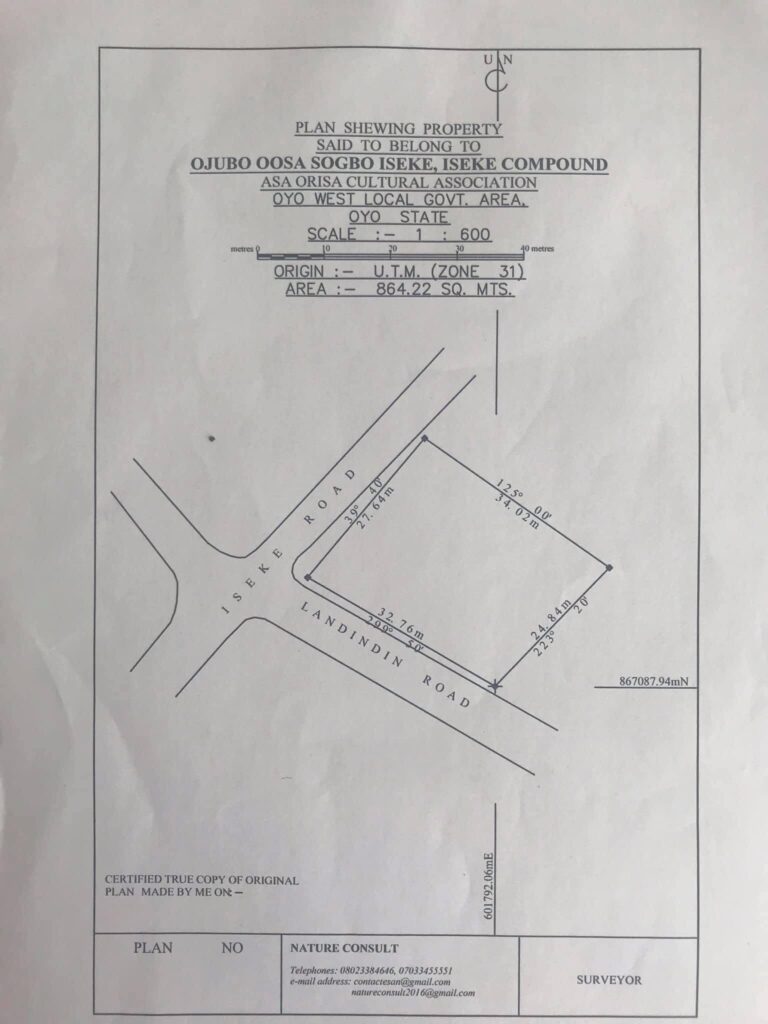
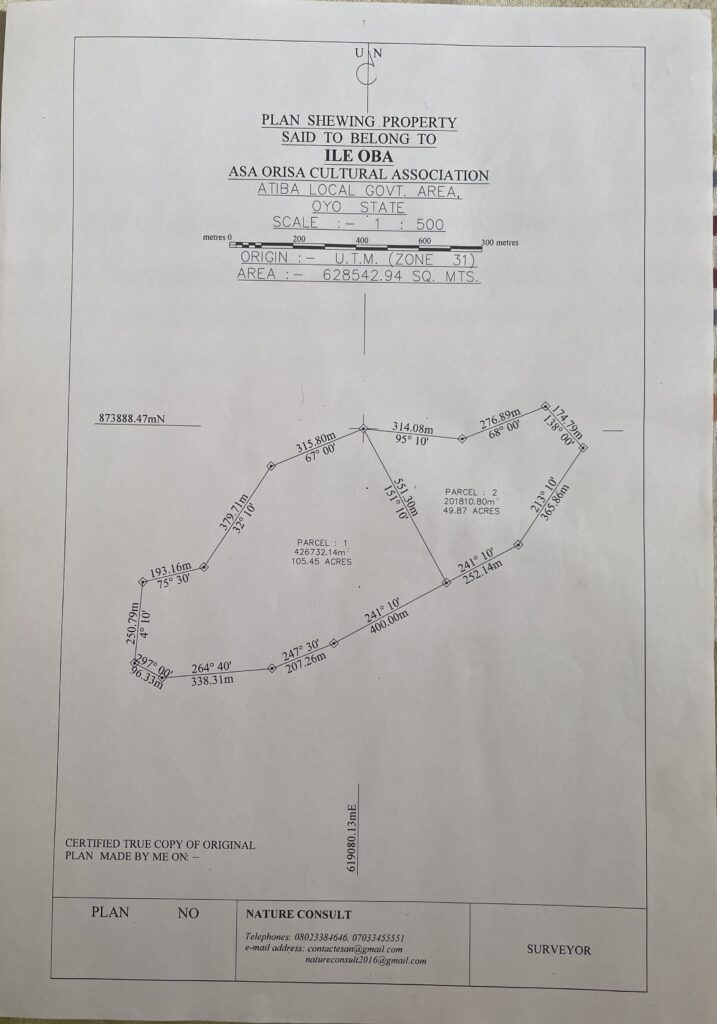
Until the presently day 15 (15) sites are under preservation and some are listed below showing the conservation works carried out and the present status of some of the most important historical heritage to the Yorùbá race especially Òyó people. This conservation project is based on using traditional methods, techniques and materials as mud, bamboo, and leaves in order to maintain the ancient and original aesthetic to preserve the originality of the heritage. Besides restoration of the monuments, a DEED OF GRANT has been given by the grantor (The Aláàfin of Òyó) to the traditional community for each historical monument to be preserved in perpetuity as monument for the present generation and generation yet unborn. The site will be surveyed and registered in the State Government.
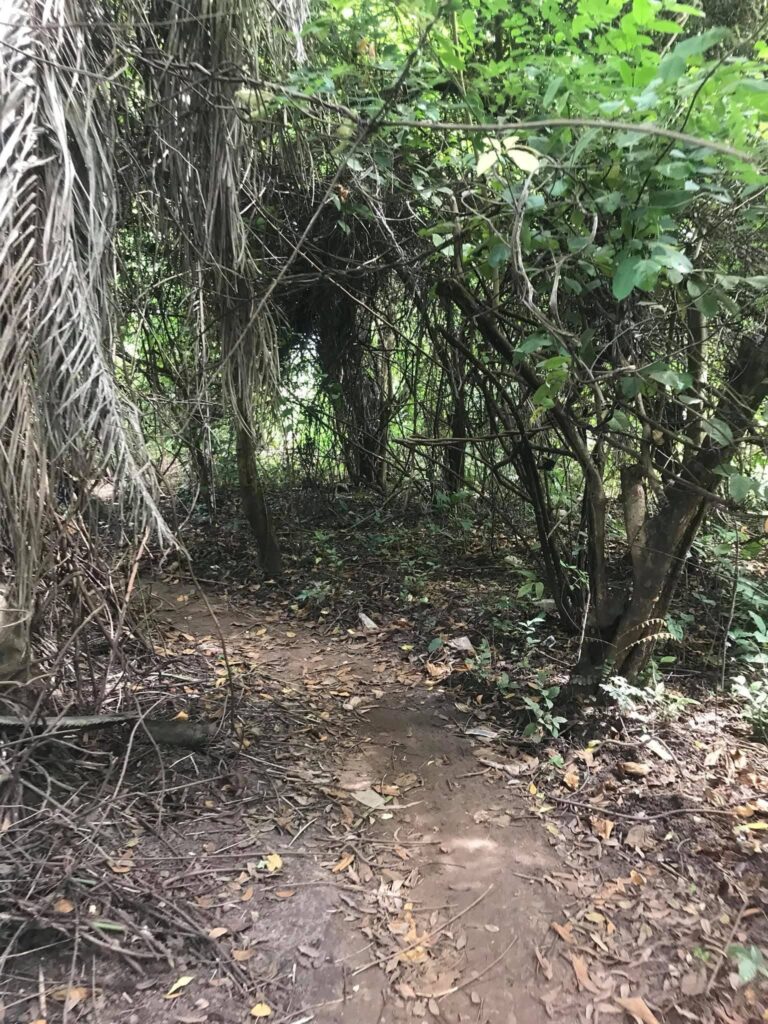
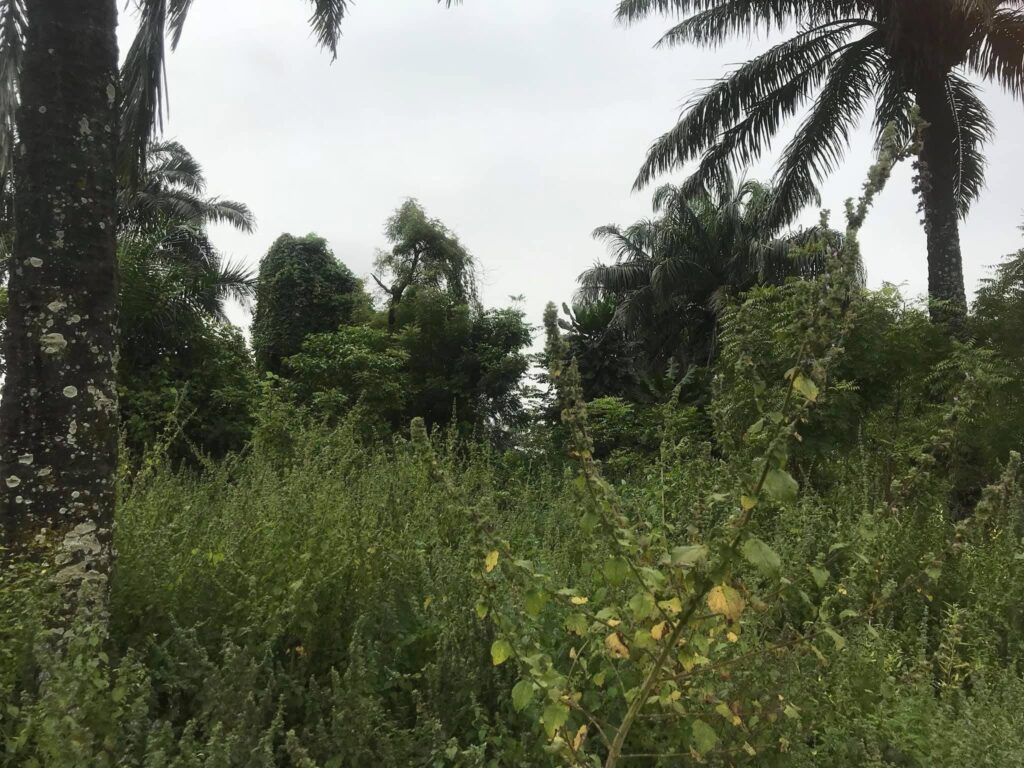
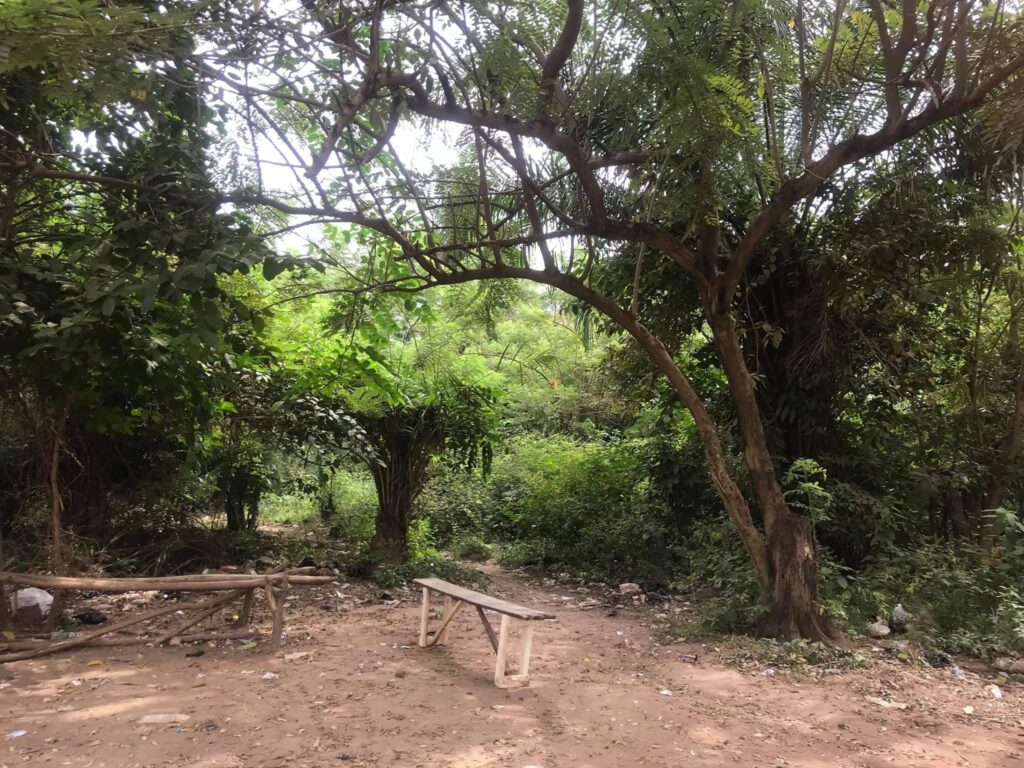
The ancient city of Òyó consists of a number of important historic buildings and natural groves that perform many different functions in the complex political, religious and cultural systems of the Yorùbá people. According to UNESCO, tangible heritage includes buildings and historic places, monuments, artifacts, etc., which are considered worthy of preservation for the future. These include objects significant to the archaeology, architecture, science or technology of a specific culture. Due to this, the urgent restoration and conservation interventions. Besides that, ecological awareness continues to be on the agenda of the people of Òyó by virtue of the vital meaning for the Òrìsà worshipers, who idealize the ancestors as the spiritual forces and regents of nature. As a result, the people are concerned with issues focused on environmental preservation.
The Aláàfin palace is the main monument of the town and it is under restoration
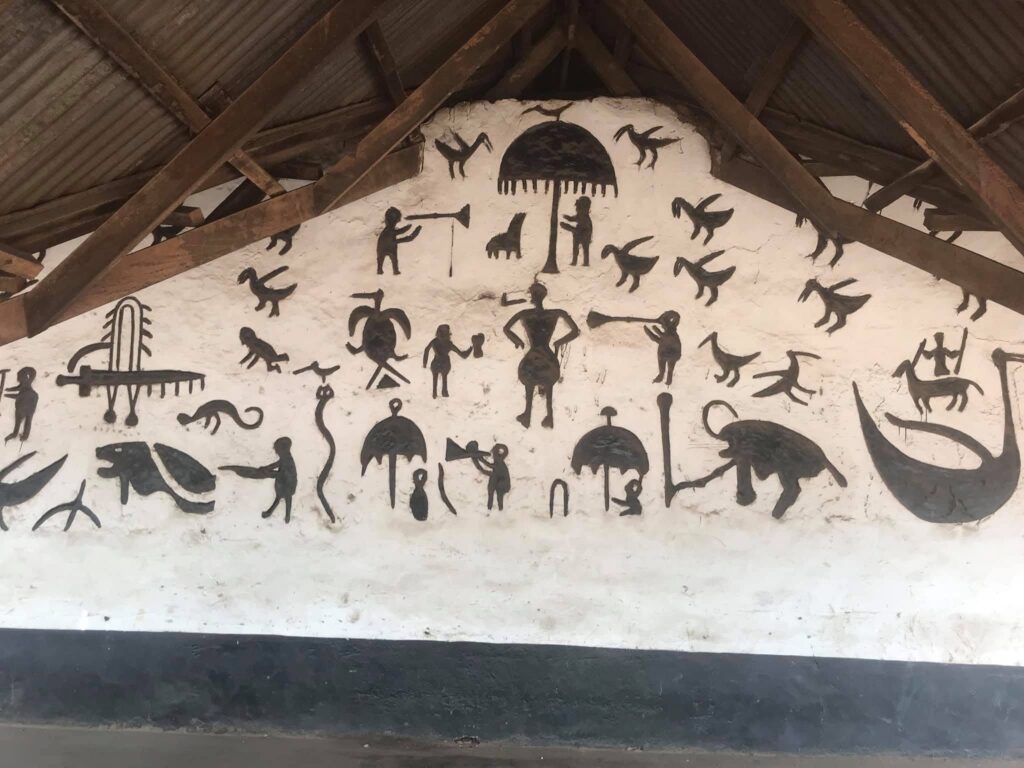
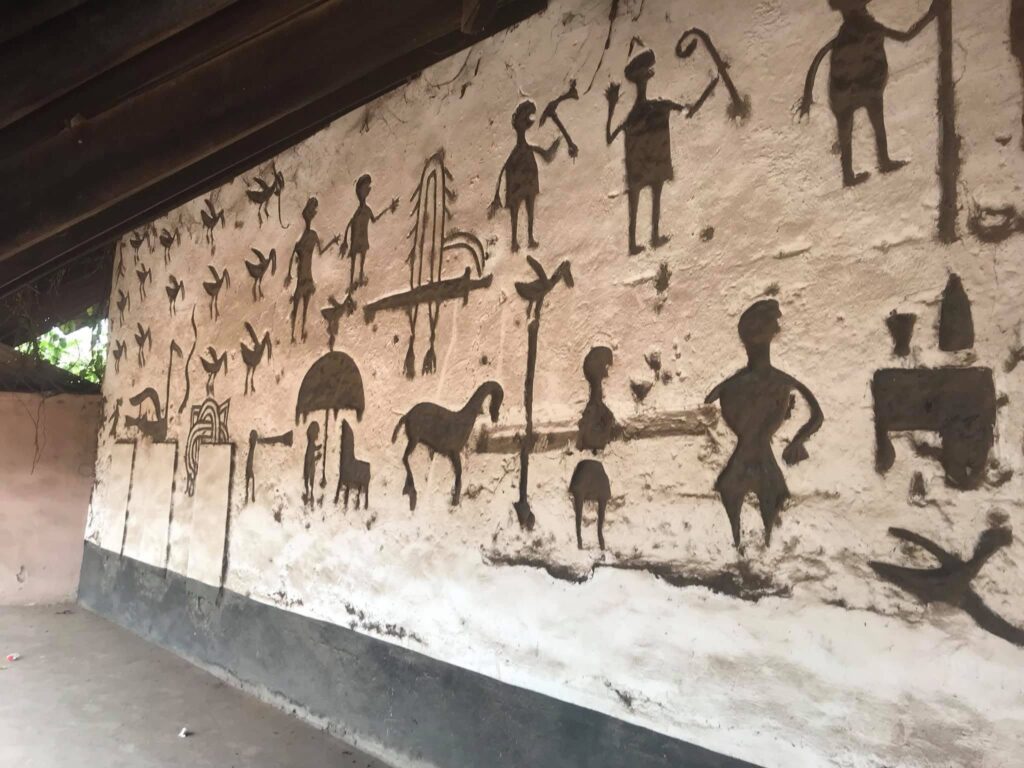
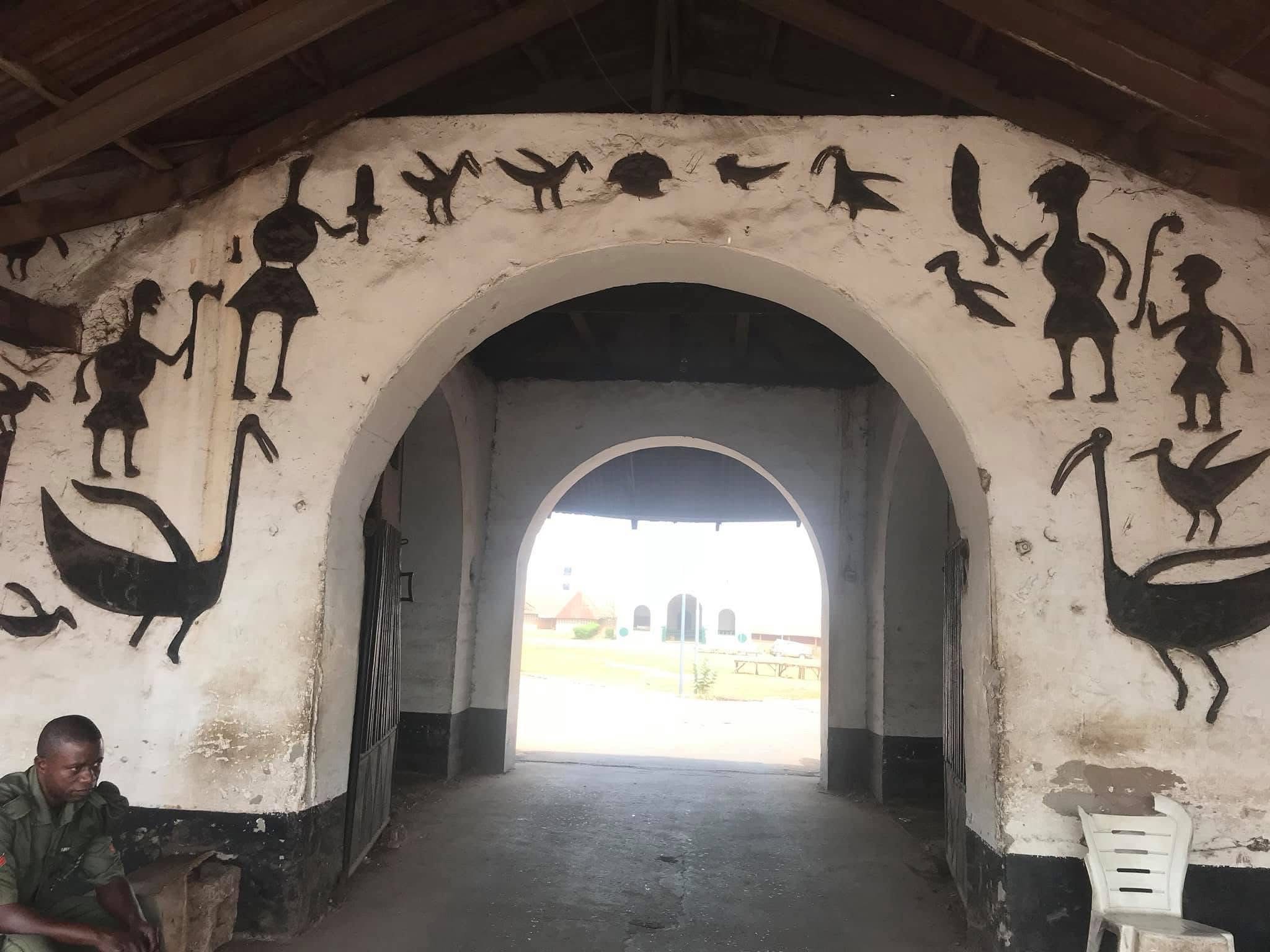
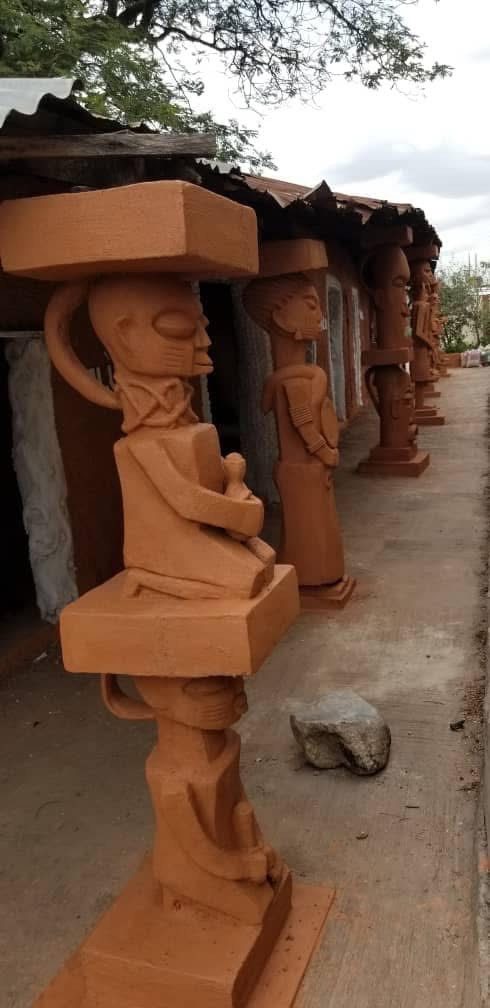
The Òyó palace is the main cultural center of the city, where all cultural forms are widely practiced and stored. The palace is decorated with works of art, murals and various forms of sculpture, including posts of wood and carved paneled doors, symbolizing the status of wealth and royalty. These cultural art forms though tangible are interwoven with the intangible that makes Òyó a home of heritage and culture.
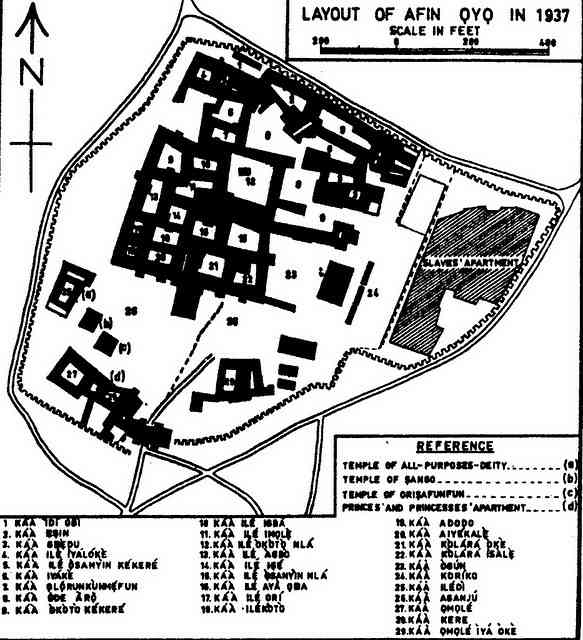
The palace of the Aláàfin Òyó is the largest Yorùbá royal residence and has the largest number of Kòbì’s (runners). This complex corridor system allows the Aláàfin move in without exiting to the outside. Within the complex, there are shrines of Sàngó,Obàtálá and Ògún. Besides the Aláàfin residence and shrines , the complex also houses the palace ‘s throne room , offices, housing officials, the dwellings of the queens , the court , the room Aganjú where confer the Oyè ( titles ) , the garden , the Àkèsán Market, among other spaces . Altogether , the old traditional and natural architecture of the Òyó palace, as well as its art treasures are under restoration and preservation, it is a great testimony to the architectural ingenuity of the Yorùbá people.
Lorem Ipsum has been the industry’s standard dummy text ever since the 1500s.
Lorem Ipsum has been the industry’s standard dummy text ever since the 1500s.
Kòso neighborhood and the temple of Sàngó – Kòso
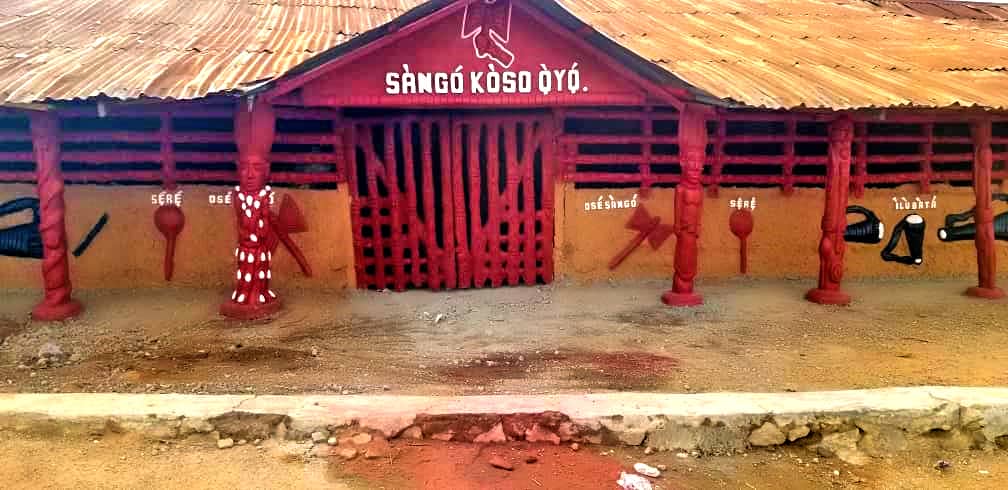
This suburban district of Òyó is one of the holiest places of the city because it was the place where Sàngó, laid his power. For this reason, one of his titles is Obakòso Sàngó (the king of Kòso). No king is installed without performing all the rites of coronation inside the temple of Sàngó in Kòso. After the coronation, the king can never associate with the community until his death. Therefore, the connection between Kòso and the Aláàfin is both spiritual and political. The Aláàfin regularly perform traditional rites for his direct ancestor (Sàngó) by celebrating the Sàngó festival yearly to pay homage to Kòso who responds by presenting the Aláàfin with a gift. This is done to consecrate the spiritual ties between Sàngó and Aláàfin. The crown of the Aláàfin has been passed from generation to generation, under the protection of the high-chief Mogbà Kòso. At the end of a reign, the crown is returned to Mogbà Kòso and kept at the shrine of Sàngó – Kòso, while the city awaits the selection of a new king.
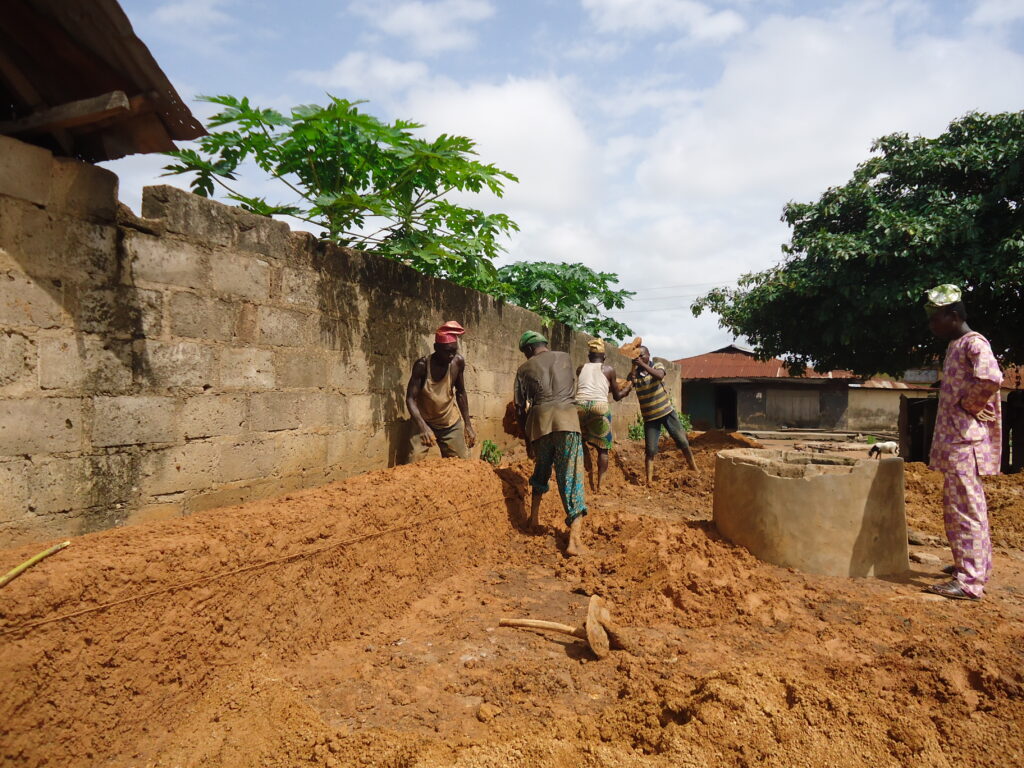
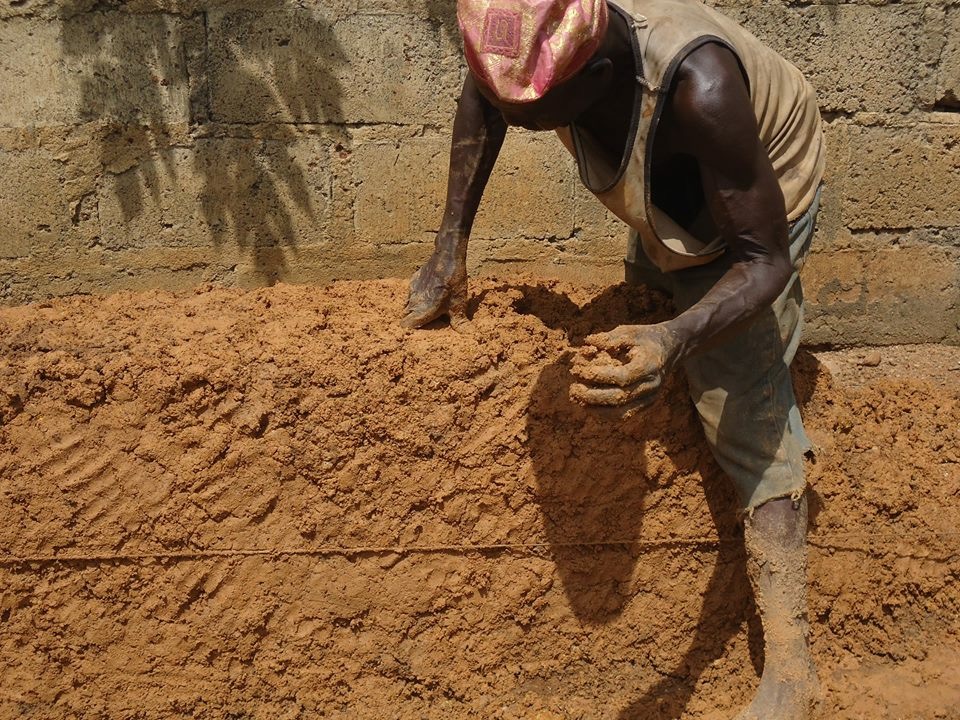
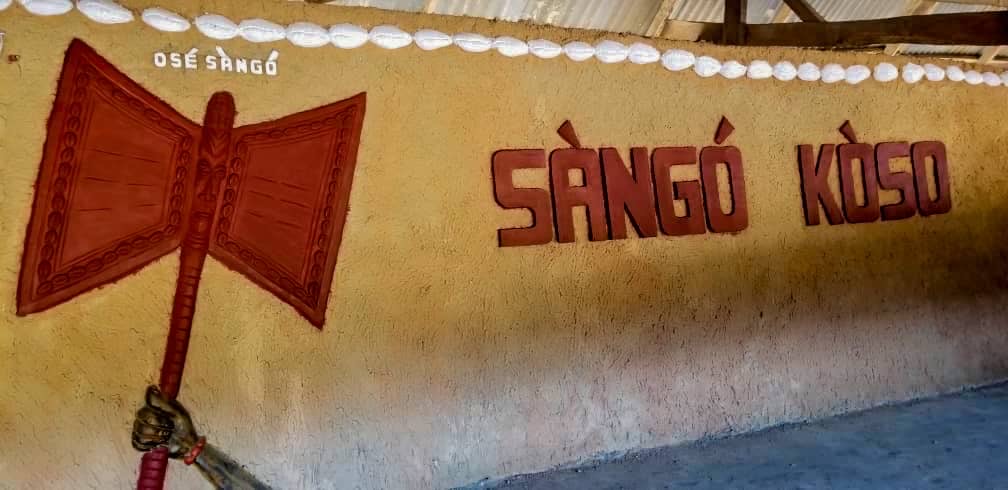
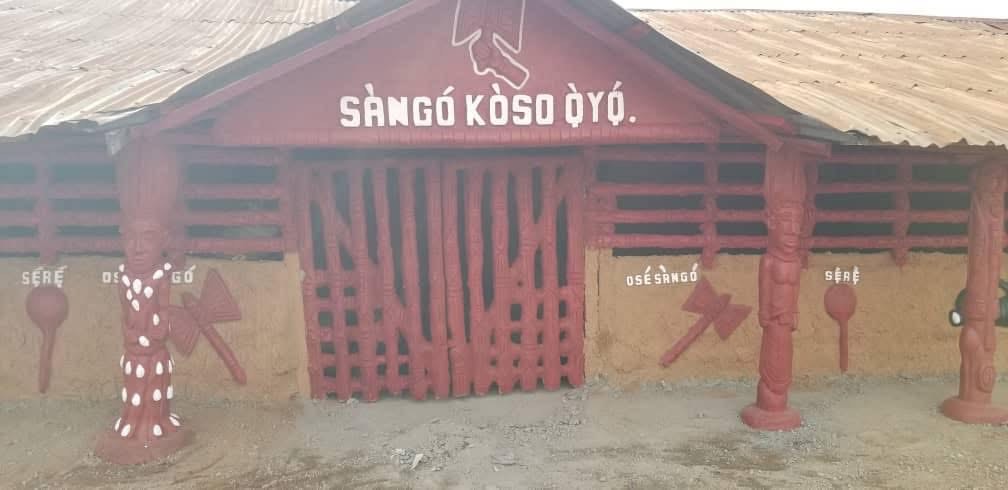
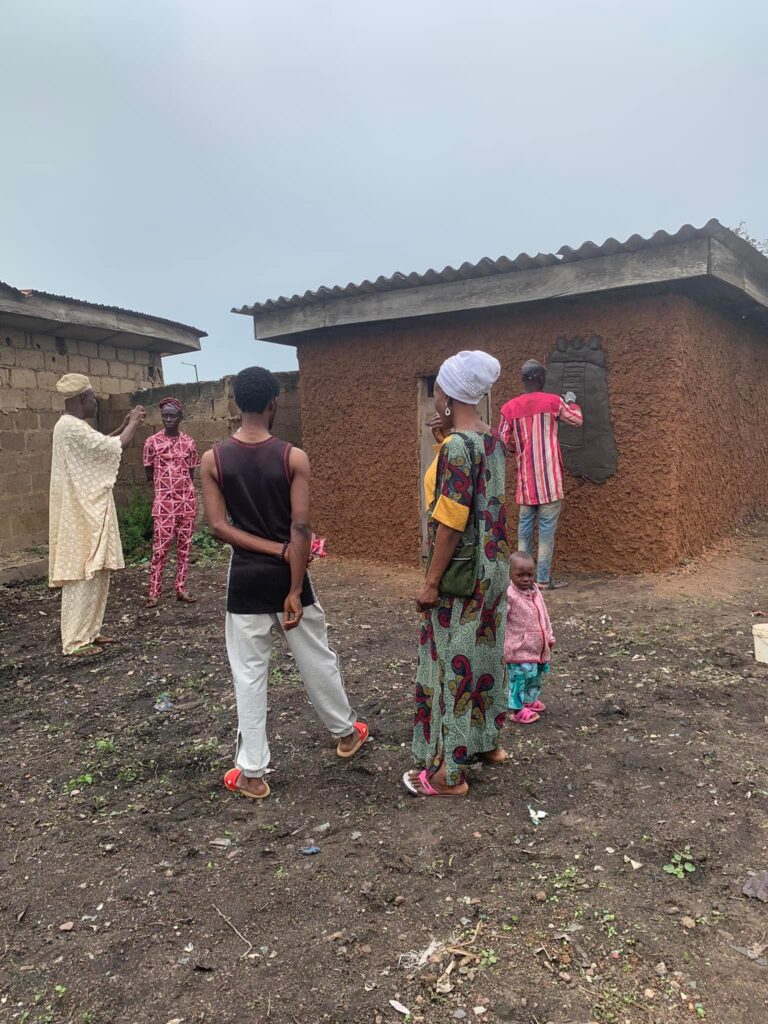
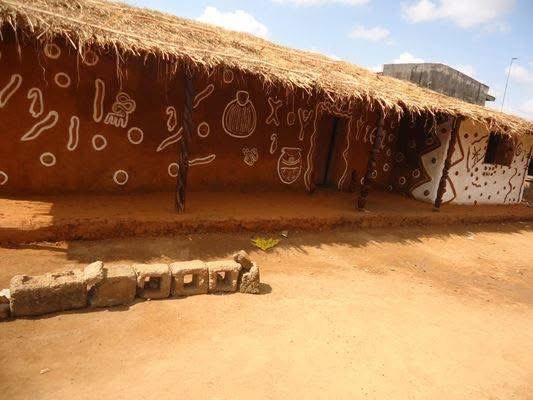
The pictures bellow illustrates the engagement of the local community in the restoration of the main shrine of Sàngó Kòso using traditional methods to maintain the ancient and original aesthetic. It was also necessary to reconstruct the roof and restore the external decorations of the temple. Formed from a set of pillars of traditional artistic reliefs and carved wooden pillars.
Sango Koso Shrine
Lorem Ipsum has been the industry’s standard dummy text ever since the 1500s.
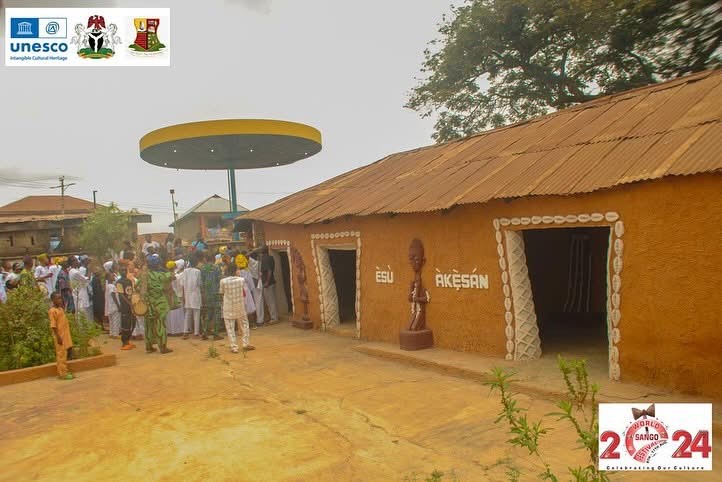
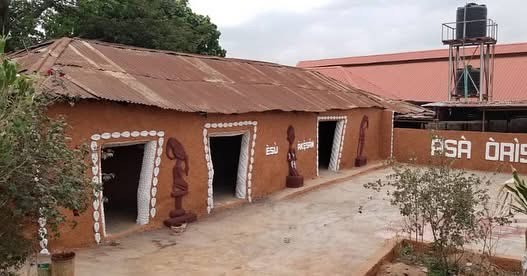
Èsù Àkẹ̀sán Shrine
NowNow
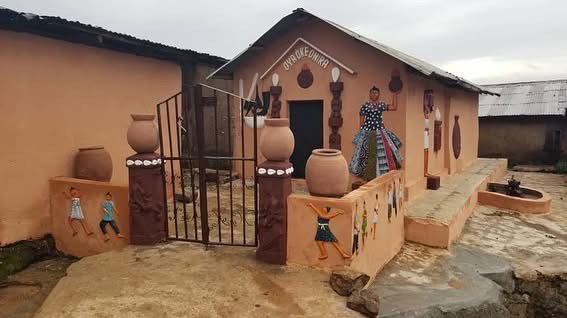
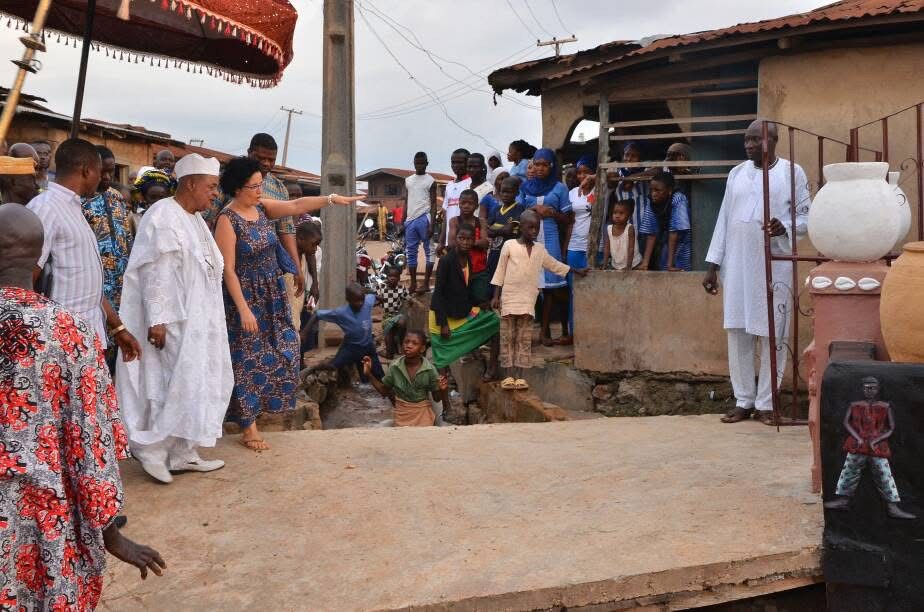
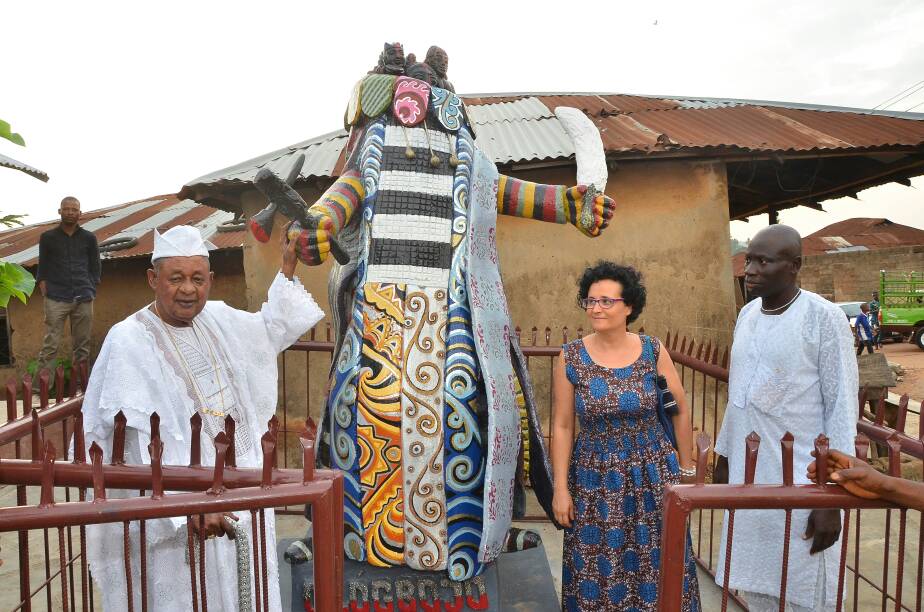
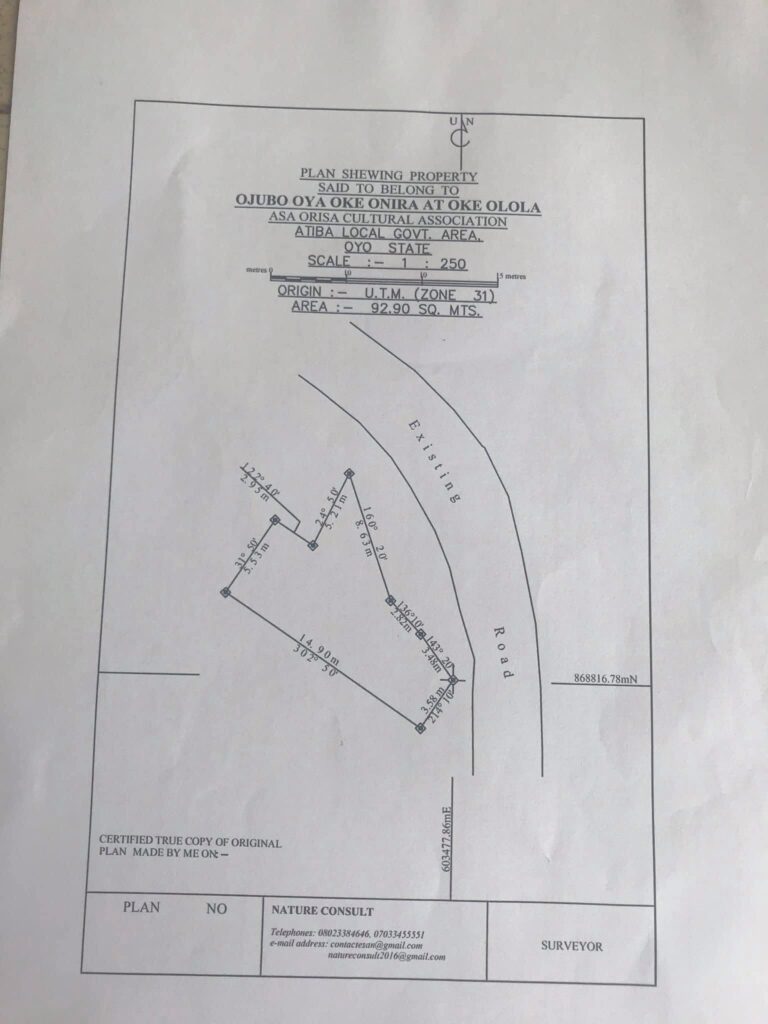
Ọya Òkè Onírá Shrine
Ongoing RenovationOkenira NowAlaafin at the commissioning of Oya Shrine at Okenira
Ọ̀sun Shrine at Sakutu
NowNow
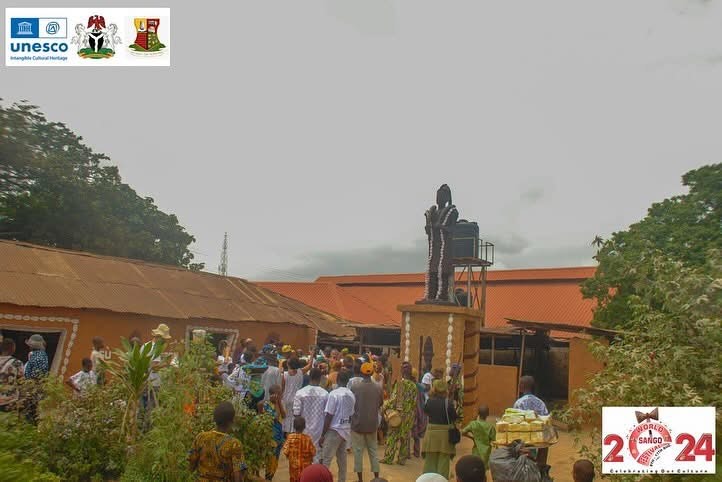
Sango in The Palace
Lorem Ipsum has been the industry’s standard dummy text ever since the 1500s.
Obatala Shrine In The Palace
Lorem Ipsum has been the industry’s standard dummy text ever since the 1500s.
Lorem Ipsum has been the industry’s standard dummy text ever since the 1500s.
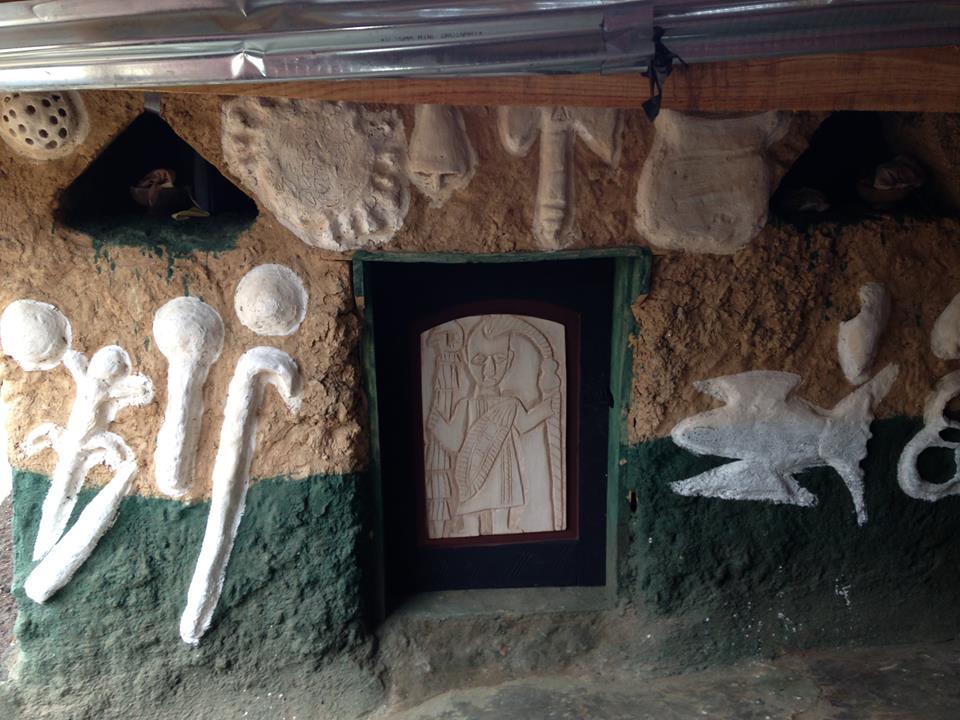
Obàtálá Eléwùrà Shrine
Now
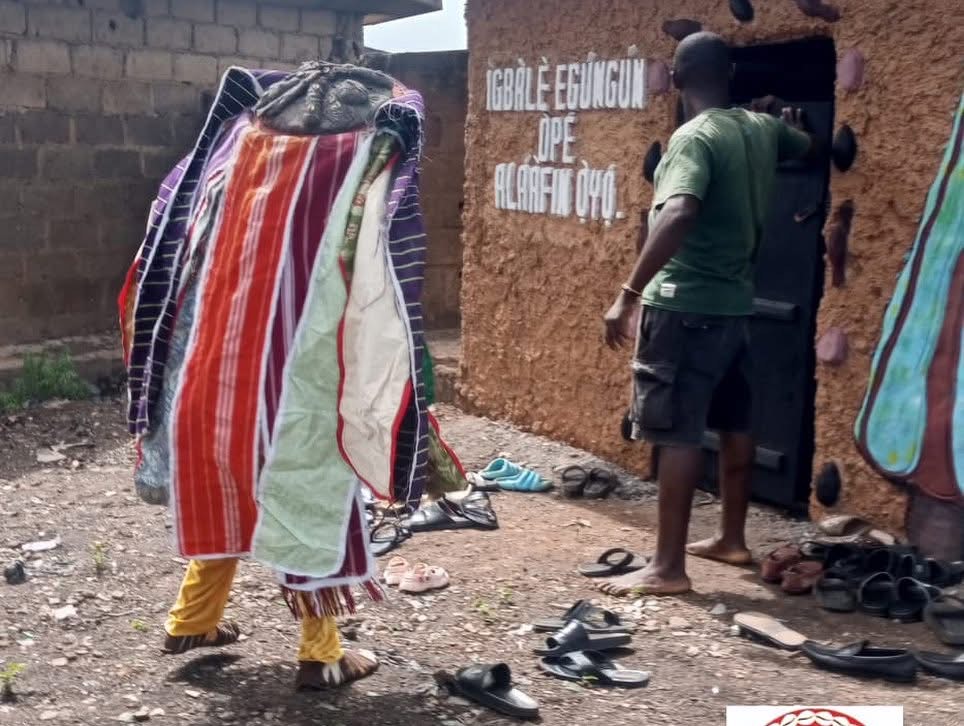
ìgbàlè Egúngún Ope
Now
Lorem Ipsum has been the industry’s standard dummy text ever since the 1500s.
Sàngó Elégbo Sacred Forest/Sango kingdom
Lorem Ipsum has been the industry’s standard dummy text ever since the 1500s.
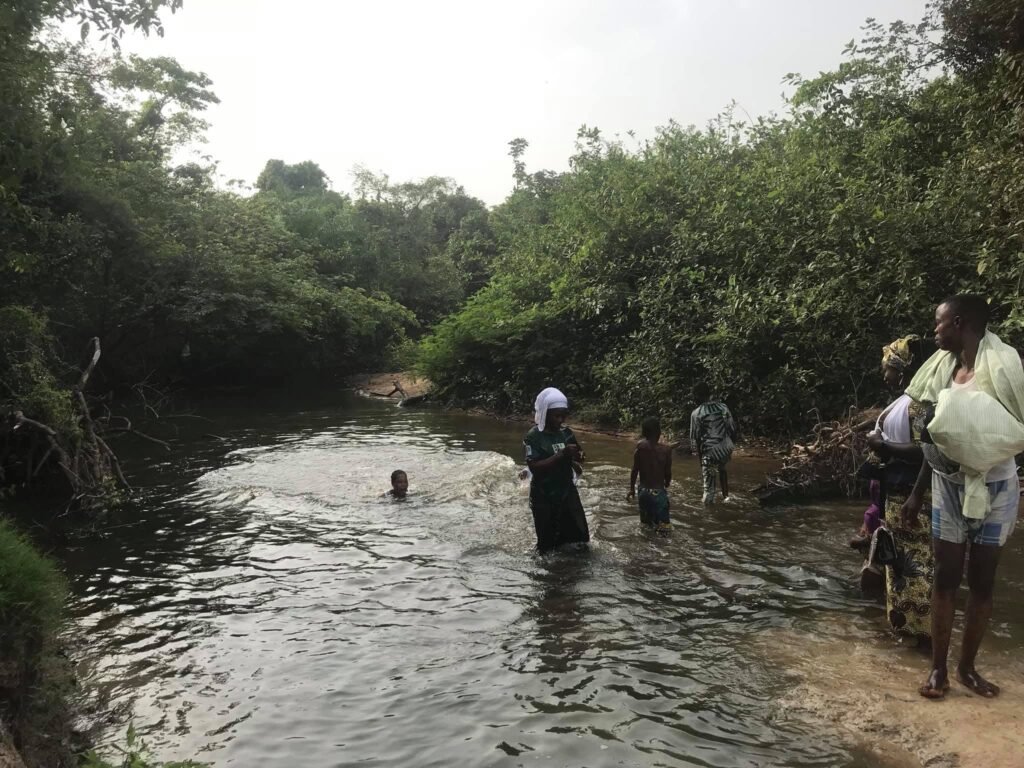
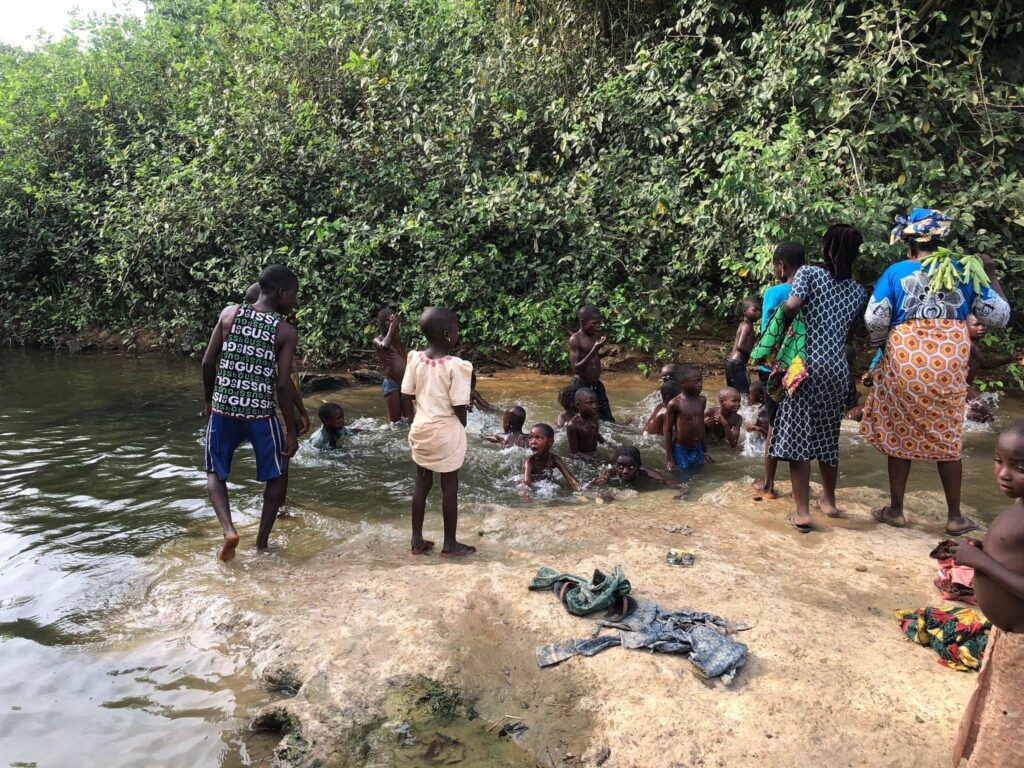
IYEMONJA STREAM SACRED GROVES
*=
Lorem Ipsum has been the industry’s standard dummy text ever since the 1500s.
The Obàtálá áájè shrine
Lorem Ipsum has been the industry’s standard dummy text ever since the 1500s.